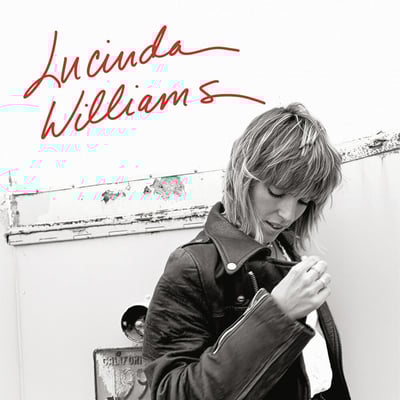
Lucinda Williams World's Gone Wrong
Released Jan 23, 2026 Lucinda Williams
Consensus forming 4 professional reviews Updated Oct 1, 2026
Broadly positive consensus
Consensus is still forming across 4 professional reviews. Lucinda Williams's World's Gone Wrong opens as a weathered, furious ledger on America in decline, and critics generally agree the record earns its moral urgency.
How ChoruScore worksFull critic consensus
Lucinda Williams's World's Gone Wrong opens as a weathered, furious ledger on America in decline, and critics generally agree the record earns its moral urgency. Across professional reviews, the consensus score of 80/100 from four reviews gauges a collection that channels economic anxiety, political protest and blues-rooted resilience into songs that feel like both accusation and consolation. The title track, “World's Gone Wrong”, “Something's Gotta Give”, “Low Life” and “We’ve Come Too Far to Turn Around” recur as the album's clearest entry points, serving as the best songs on World's Gone Wrong for critics who prize spare detail, gospel-tinged choruses and ragged authority.
Professional reviews praise Williams's renewed vocal clarity and plainspoken storytelling after illness, noting how small domestic images - a kettle boiling, jewellery slipping off - convert political weight into intimate vignettes. Critics consistently single out duets with Mavis Staples, Brittney Spencer and a Norah Jones piano cameo as moments that lift the record's communal thrust, while the band’s greasy, rootsy swing supplies muscular support. Reviewers also balance admiration with nuance: some miss earlier quirks and tension in favor of a more direct protest voice, and a few critics find the record's groove occasionally softens its sharper edges.
Taken together, the critical consensus frames World's Gone Wrong as a late-career triumph of witness - a protest album steeped in blues, gospel and Americana that converts rage into a communal balm and a call to action. For readers searching for a World's Gone Wrong review or wondering what the best songs are, start with “World's Gone Wrong”, “Something's Gotta Give” and “Low Life” before moving to the elegiac closer “We’ve Come Too Far to Turn Around”.
Track Ratings
How critics rated each track, relative to this album (0-100). Only tracks that made critics feel something are rated.
Track analysis will appear here once reviews are processed by our AI system.
Get the next albums worth your time.
Critic-backed picks in one clean digest. No clutter.
What Critics Are Saying
Deep insights from 13 critics who reviewed this album
Ho
Critic's Take
There's real admiration for the record's blend of blues, gospel and rock - arrangements and guest vocals (Brittney Spencer, Norah Jones) are singled out for lifting the songs. Overall the reviewer positions these as the best songs on the album because they combine polemic, muscle and atmosphere in a way that feels urgent and wide-eyed.
Key Points
-
The best song(s) are the protest-driven centrepieces that marry polemic with raw blues energy.
-
The album's core strengths are its fusion of blues, gospel and rock and its urgent political voice.
Themes

Critic's Take
The result is a minimal yet atmospherically sublime set that will be cited among the album's best tracks by listeners seeking honest roots songwriting.
Key Points
-
The title track’s crunchy guitars and glorious chorus make it the album’s standout.
-
The album’s core strengths are its spare, direct lyrics and Williams’ seasoned, emotionally resonant vocals.
Themes

Critic's Take
The review flatters the album's rootsy palette and road-roughened voice, arguing these best tracks and their duets achieve genuine, lasting impact.
Themes

Critic's Take
Lucinda Williams leans into rootsy rock'n'roll on World’s Gone Wrong, finding consolation more than outrage, and the best tracks prove it. Stephen Thomas Erlewine’s prose highlights how the band’s big, greasy sound and casual, authoritative swing make those songs the record’s emotional anchors.
Key Points
-
The album’s core strength is its rootsy band sound and communal guest turns that render topical unease into consoling songs.
Themes

Critic's Take
Coney emphasises Williams’s authority and renewed vocal clarity after a stroke, and argues these best tracks turn political weight into intimate storytelling.
Key Points
-
The title track is best for its protest groove and locked harmonies, making it the set highlight.
-
The album’s core strengths are urgent, detail-driven songwriting and Williams’s authoritative, newly burnished vocal delivery.
Themes

Critic's Take
Overall, Dolan frames these standout songs as the record's moral center, songs that turn despair into a chant for action and solidarity.
Key Points
-
The album's core strengths are its blend of blues, country, and rock with clear sociopolitical focus and moments of resilience.
Themes

Critic's Take
Shepherd frames Lucinda Williams as a chronicler of ordinary lives, noting how gritty guitars and aching vocals make these tracks the album's clearest statements on America today. The reviewer praises Williams's lyrical economy and coal‑like vocal tone, explaining why those top tracks feel both timely and timeless. This reads as a record that both laments and musters hope, and those highlighted songs carry the album's emotional weight.
Key Points
-
The best song functions as a direct, rootsy response to America’s current anxieties, marrying urgent lyrics with gritty blues instrumentation.
-
The album’s core strengths are Williams’s lyrical economy, weathered vocal instrument, and ability to turn political and personal pain into resolute, healing songs.
Themes

Critic's Take
The result is a fiercely topical record that still breathes as much fire instrumentally as it does lyrically.
Key Points
-
The album’s core strengths are fearless socio-political lyrics married to scorching twin-guitar, blues-rooted instrumentation.
Themes

Critic's Take
Mark Cooper writes in his characteristically vivid, slightly breathless manner, noting an air of apocalypse and a gospel intensity that makes those tracks feel like sermons and salves. The duets with Brittney Spencer and Mavis Staples are singled out as superb, giving the album its emotional center and the best tracks real moral force. Even when Williams’s voice wobbles from her stroke, Cooper frames those imperfections as part of the record’s haunted, honest power, which is why listeners asking for the best songs on World's Gone Wrong will be steered to these standout moments.
Key Points
-
The album’s core strengths are Williams’s confessional honesty, powerful duets, and the balance of blues, gospel and rock urgency.
Themes
Am
Critic's Take
The record is furious, clear-eyed, and built to last, a late-career masterpiece that trades nostalgia for reckoning.
Key Points
-
The title track is best for its plain, working-class thesis and insistence on endurance.
-
The album's core strengths are its plainspoken political clarity, forceful guitar-forward production, and intergenerational vocal collaborations.
Themes

Critic's Take
Bob Fish's voice is urgent and literal, noting flames, controlled vengeance and blistering guitar as Williams channels anger into purpose. The narrative is political and personal, answering searches for the best tracks on World's Gone Wrong with songs that burn and persist.
Key Points
-
The best song is the title track because it sets the political and emotional stage with controlled vengeance and a memorable chorus.
-
The album’s core strengths are its fierce political urgency, blues-rooted arrangements, and resonant collaborations that amplify Williams’s voice.
Themes
Re
Critic's Take
Collaboration with Doug Pettibone, Marc Ford and guests gives the record muscle, even as it loses some of the earlier quirky tension fans loved. This makes the best tracks on World's Gone Wrong feel designed for live confrontation and headline-grabbing covers, for better or worse.
Key Points
-
The album's core strengths are its uncompromising topical lyrics and muscular collaborative blues-rock arrangements, even as some earlier musical tension is lost.
Themes

Critic's Take
The result is an album that often finds a danceable groove in the face of wreckage, making those best tracks feel both urgent and oddly consoling.
Key Points
-
The title track is best for its intimate domestic portrait that doubles as national allegory and elicits genuine empathy.
-
The album's core strengths are its fusion of blues, gospel, and protest songwriting that turns bleak themes into mobilizing, often danceable grooves.