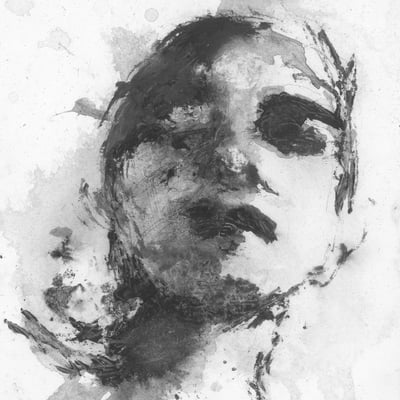
Lucy Gooch Desert Window
Released Jun 6, 2025 Fire Records
Early read 2 professional reviews Updated Nov 29, 2025
Mostly positive consensus
Early read based on 2 professional reviews. Lucy Gooch's Desert Window announces a patient, nocturnal turn in her songwriting where folk intimacy meets ambient daring, and critics largely agree it succeeds more often than not.
How ChoruScore worksCritics' Top Tracks
The songs critics returned to most
Night Window - Part One
2 critic mentions
“the full 10-minute suite keeps the listener at a knife’s edge, holding out for the melodic phrase that makes sense of it all.” — Pitchfork
Night Window - Part Two
2 critic mentions
“In the second half, more acoustic instrumentation enters the fray, with struck keys and brassy bleats teasing an emotional overflow.” — Pitchfork
Like Clay
2 critic mentions
“a single, repeating couplet: “To wake up in morning, too long asleep/Like clay in the ground, exiled deep.” — Pitchfork
Full critic consensus
Lucy Gooch's Desert Window announces a patient, nocturnal turn in her songwriting where folk intimacy meets ambient daring, and critics largely agree it succeeds more often than not. Across two professional reviews the record earned a 72/100 consensus score, with writers pointing to the two-part “Night Window” suite and opener “Like Clay” as the album's most arresting moments. Those tracks emerge as the best songs on Desert Window thanks to their sweep from fingerpicked closeness to layered, drone-inflected catharsis.
The critical consensus emphasizes themes of ethereal beauty, transformation, and a fusion of folk and ambient textures. Reviewers consistently praise the album's organic instrumentation and medieval-poetry inflections, noting how loops, layered vocals, cornet and occasional sax move songs from tension to release. Critics spotlight “Night Window - Part One” and “Night Window - Part Two” as the collection's centerpiece, while “Like Clay”, “Jack Hare” and the title track “Desert Window” are singled out for their haunting melodies and compositional ambition.
At the same time, professional reviews temper enthusiasm with measured criticism about occasional meandering passages and sprawling experiments that slow momentum. Some critics find tracks like “Keep Pulling Me In” and other longer stretches reward repeated listens rather than instant hooks, which frames the record as a work of gradual revelation rather than immediate gratification. Ultimately, the consensus suggests Desert Window is worth listening to for those drawn to ambient pop that privileges atmosphere and transformation over tidy pop craft, and it stakes a distinctive, if occasionally uneven, place in Gooch's catalog.
Track Ratings
How critics rated each track, relative to this album (0-100). Only tracks that made critics feel something are rated.
Like Clay
Night Window - Part One
Night Window - Part Two
Keep Pulling Me In
Jack Hare
Clouds
Our Relativity
Desert Window
Get the next albums worth your time.
Critic-backed picks in one clean digest. No clutter.
What Critics Are Saying
Deep insights from 3 critics who reviewed this album

Critic's Take
Lucy Gooch's Desert Window finds its best songs in expansive, patient pieces like “Night Window - Part One” and “Like Clay” where drone and voice flirt with catharsis. The reviewer's language lingers on the record's audacity - it prizes the album's riskier, roomier trajectories over tidy pop craft. Even criticism is measured, aimed mostly at the meandering stretches of “Keep Pulling Me In” rather than the album's core strengths.
Key Points
-
The album's core strengths are its audacity, atmospheric arrangements, and the blend of organic instruments with ambient textures.
Themes


Critic's Take
Tracks like “Keep Pulling Me In” and “Clouds” further reward repeated listens, blending surreal lyricism with cinematic cornet and folk textures. The title track “Desert Window” closes the record with Gooch at her most powerful, summing up the album’s push and pull between intimacy and expansiveness.
Key Points
-
The album's core strengths are its blend of folk and ambient textures and the push and pull between intimacy and expansiveness.