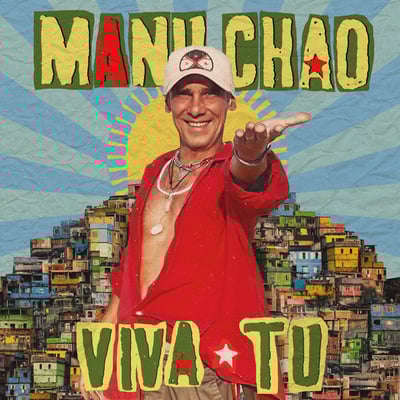
Manu Chao Viva Tu
Released Sep 20, 2024 Radio Bemba
Consensus forming 4 professional reviews Updated Jan 1, 2026
Broadly positive consensus
Consensus is still forming across 4 professional reviews. Manu Chao's Viva Tu arrives as a warmly lived-in travelogue that folds migration, working-class life, and multilingual storytelling into sunlit folk and world fusion.
How ChoruScore worksCritics' Top Tracks
The songs critics returned to most
Viva Tu
4 critic mentions
“The title track is a tribute to the everyday lives of people in the various cities he’s lived in” — Rolling Stone
São Paulo Motoboy
3 critic mentions
“São Paulo Motoboy”, accompanied by an excellent documentary, is about the plight of the courier—the model professional of the gig economy” — PopMatters
Vecinos En El Mar
3 critic mentions
“Viva Tu's opening song, “Vecinos en el Mar”, a hypnotic folksong ornamented with synthetic sounds, sets the tone” — PopMatters
Full critic consensus
Manu Chao's Viva Tu arrives as a warmly lived-in travelogue that folds migration, working-class life, and multilingual storytelling into sunlit folk and world fusion. Critics agree the record's quick wins are character-driven songs that mix rueful observation with resilient optimism, and across professional reviews the strongest moments—“Viva Tu”, “Heaven's Bad Day”, “Vecinos En El Mar”, and “São Paulo Motoboy”—emerge as the best songs on Viva Tu for their immediacy and communal energy.
The critical consensus, reflected in a 75.5/100 average across four professional reviews, highlights Chao's signature blend of reggae, flamenco, dub, and acoustic folk. Reviewers consistently praise the album's focus on everyday lives and solidarity: “Cuatro Calles” and “Vecinos En El Mar” register as intimate street-level sketches, while “Heaven's Bad Day” and “River Why” supply sharper political humor and sing-along warmth. Critics note a laid-back sound and moments of nostalgia and hope amid melancholy, with guest turns and quiet production choices that reinforce the record's mature, communal feel.
While some reviews point out occasional drag in the album's latter half, the professional reviews largely frame Viva Tu as a rewarding continuation of Chao's globe-trotting voice—an album where multilingualism, empathy, and working-class tribute outweigh polish. For those asking what critics say about Viva Tu or whether Viva Tu is worth listening to, the consensus suggests its standout tracks and human-scale narratives make it a worthy, often essential listen in Manu Chao's catalog.
Track Ratings
How critics rated each track, relative to this album (0-100). Only tracks that made critics feel something are rated.
Vecinos En El Mar
La Couleur du Temps
River Why
Viva Tu
Heaven's Bad Day
Tu Te Vas
Coraçao No Mar
Cuatro Calles
La Colilla
São Paulo Motoboy
Tom et Lola
Lonely Night
Tantas Tierras
Get the next albums worth your time.
Critic-backed picks in one clean digest. No clutter.
What Critics Are Saying
Deep insights from 4 critics who reviewed this album

Critic's Take
Manu Chao returns on Viva Tu with songs that make you feel the world - tender and rueful, yet insistently celebratory. The reviewer's favorite moments are intimate pieces like “Vecinos en el Mar” and the title track “Viva Tu”, where community voices, Spanish guitar and percussion create that boisterous neighborhood energy he excels at. Tracks such as “Cuatro Calles” and “Tantas Tierras” show the album's contemplative heart, translating political urgency into simple, affecting songs. Overall, the best songs on Viva Tu balance melancholic observation with resilient optimism, inviting listeners to sing, protest, and dance together.
Key Points
-
The best song, “Vecinos en el Mar”, is best for opening the album with a hypnotic, empathetic take on migration.
-
The album's core strengths are its multilingual, grassroots storytelling and the veiling of profundity within simple, lived-in compositions.
Themes

Critic's Take
Manu Chao returns with Viva Tu, a mellow, easy-flowing record where the best songs - like “Vecinos En El Mar” and “Viva Tu” - trade punkish edge for twinkling guitars and soft beats. The reviewer's tone stays appreciative and clear-eyed, noting how “River Why” and “Cuatro Calles” glide with warm acoustic comfort while guests add subtle spice. It is classic Manu Chao, sunnier in its European folk and South American soul, and the album's late highlights such as “La Colilla” and “Tom et Lola” keep the groove alive. The record sometimes drags toward the end, but overall the relaxed charm makes these the best tracks on Viva Tu and worth repeated listening.
Key Points
-
The title track is best for its full formation, percussion, and dynamic scope.
-
The album's core strengths are its mellow, multilingual fusion of European folk, South American soul, Caribbean groove, and dub.
Themes

Critic's Take
In his familiar, globe-trotting voice Manu Chao returns with Viva Tu, a warmly lived-in record whose best tracks are immediately obvious: “River Why”, “Tu Te Vas”, and “Heaven's Bad Day”. Dolan revels in the album's multilingual, post-modern busker charms, noting how “River Why” slams neoliberalism with a wink while “Tu Te Vas” reaches a plaintive peak with Laeti, and Willie Nelson's cameo on “Heaven's Bad Day” makes for a campfire-ready sing-along. The reviewer's tone is affectionate and appreciative, emphasizing how these songs condense Manu Chao's signature mixtures of reggae, flamenco, dub, and folk into some of the record's most affecting moments.
Key Points
-
The best song combines political bite and buoyant delivery, making “River Why” the album's most striking track.
-
The album's core strengths are its multilingual, lived-in world music textures and resilient, hopeful songwriting.
Themes

Critic's Take
Manu Chao returns with Viva Tu, a globe-trotting record that finds its richest moments in character-driven songs that double as social sketches. The best songs on Viva Tu are thread-like portraits such as “São Paulo Motoboy” and “Heaven's Bad Day”, where Chao's lived experience and guest turns bring urgency and warmth to the music. The album favors storytelling over grand gestures, and those two tracks show why the best tracks on Viva Tu land hardest: specificity, empathy, and a restless, eclectic production that suits Chao's multilingual storytelling.
Key Points
-
“São Paulo Motoboy” stands out for its lived detail and tribute to couriers, making it the album's clearest highlight.
-
Viva Tu's core strengths are its multilingual storytelling, guest contributions, and focus on everyday lives encountered during travel.