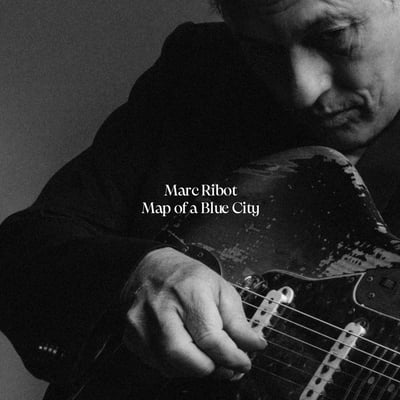
Marc Ribot Map Of A Blue City
Released May 23, 2025 New West Records, LLC
Consensus forming 3 professional reviews Updated Nov 29, 2025
Mostly positive consensus
Consensus is still forming across 3 professional reviews. Marc Ribot's Map Of A Blue City unfolds as a quietly authoritative first vocal statement, one that critics say balances intimate storytelling with adventurous musicianship.
How ChoruScore worksCritics' Top Tracks
The songs critics returned to most
Map of a Blue City
3 critic mentions
“It’s not a blue map – it only looks that that way. It’s just a map of a blue city” — At The Barrier
Elizabeth
2 critic mentions
“His blood-curdling lyrics: “How we prayed around your bed – your frail heart beat out its last tattoo” — At The Barrier
general album production / voice
1 critic mention
“Recording production is really complicated, but it all boils down to what kind of room the listener feels they’re standing in.” — Tinnitist
Full critic consensus
Marc Ribot's Map Of A Blue City unfolds as a quietly authoritative first vocal statement, one that critics say balances intimate storytelling with adventurous musicianship. Across professional reviews, the record earned a 74/100 consensus score from three reviews, and critics consistently point to the title track “Map of a Blue City” and “Elizabeth” as the album's emotional anchors while “Daddy's Trip to Brazil” and the instrumental “Optimism of the Spirit” register as notable high points.
Reviewers praise the album's tension between domestic intimacy and broader historical resonance, noting themes of memory, loss, mortality, and the uneasy possibility that threads through Ribot's lyrics and guitar work. Production choices, from home-demo immediacy to fuller studio arrangements, let his gritty, earthy vocal presence sit alongside flashes of instrumental virtuosity; critics describe moments that move from bossa nova-inflected warmth to no-wave jolts, underlining the record's roots-and-folk sensibility refracted through experimental impulses. The consensus highlights how spoken-word passages and small-room arrangements make many of the best songs on Map Of A Blue City feel like late-night conversations.
Not all responses are unqualified praise. Some reviewers emphasize the album's subtlety, recommending repeated listens to appreciate its quieter strengths rather than expecting conventional pop payoff. Still, the professional reviews agree that Ribot's narrative focus and inventive arrangements yield a distinctive, rewarding collection that stands as a meaningful addition to his catalog and a clear answer to questions of whether Map Of A Blue City is worth listening to.
Below, the full reviews unpack why critics found “Map of a Blue City”, “Elizabeth”, and “Daddy's Trip to Brazil” among the record's standout tracks.
Track Ratings
How critics rated each track, relative to this album (0-100). Only tracks that made critics feel something are rated.
Elizabeth
For Celia
Say My Name
Daddy's Trip to Brazil
Map of a Blue City
Death of a Narcissist
When the World's on Fire
Sometime Jailhouse Blues
"Optimism of the Spirit"
Get the next albums worth your time.
Critic-backed picks in one clean digest. No clutter.
What Critics Are Saying
Deep insights from 3 critics who reviewed this album

Critic's Take
Jim Hynes hears the best songs on Map Of A Blue City as intimate, unsettling vignettes rather than conventional tunes, and he singles out “Elizabeth” and the title track “Map of a Blue City” for their emotional center. He writes plainly that the record is a late-night conversation about feeling lost, where spoken-word meditations and sumptuous guitar work make “Elizabeth” and “Map of a Blue City” the clearest best tracks on the album. Hynes notes the closing instrumental “Optimism of the Spirit” as a dazzling finale that cements the album's unique sound. The tone is warm but measured, recommending repeated listens to appreciate the quieter strengths of these songs.
Key Points
-
The best song is intimate and emotionally direct, with opener “Elizabeth” foregrounding loss and warmth.
-
The album's core strengths are Ribot’s inventive guitar work, intimate production, and willingness to blend spoken-word, home-demo intimacy, and studio elements.
Themes

Critic's Take
The first vocal album from Marc Ribot, Map Of A Blue City finds its best tracks in the vivid domestic drama of “Elizabeth”, the sultry momentum of “Daddy's Trip to Brazil”, and the aching title piece “Map of a Blue City”. Barlass writes with a measured admiration, noting Marc’s gritty, earthy vocals and flashes of fretboard brilliance that make these songs stand out. The reviewer singles out “Daddy's Trip to Brazil” as possibly the highlight and praises the album’s range from bossa nova to no-wave, explaining why listeners searching for the best songs on Map Of A Blue City should begin there. Overall the record is portrayed as a long-gestating triumph that balances small-room intimacy with inventive arrangements.
Key Points
-
Daddy's Trip to Brazil is the album standout for its engaging bossa nova groove, instrumentation, and status as lead single.
-
The album’s core strengths are Marc Ribot’s gritty vocals, instrumental virtuosity, and an impressive range of styles from roots to free jazz.
Themes

Critic's Take
Marc Ribot’s Map Of A Blue City finds its strongest moments in the title piece, where the album’s story and sound coalesce into a quietly definitive statement. The review insists the record ruminates on being lost and the excitement of undreamt-of possibilities, and it is that mixture that makes “Map of a Blue City” feel like the best track. The writing stresses Ribot’s first prominent use of his plaintive, wise voice, so listeners searching for the best songs on Map Of A Blue City should start with “Map of a Blue City” and then explore the album’s intimate production and narrative threads.
Key Points
-
The title track “Map of a Blue City” is highlighted as the album’s definitive, best song.
-
The album’s core strengths are its intimate production, reflective themes of being lost and possibility, and Ribot’s prominent, plaintive voice.