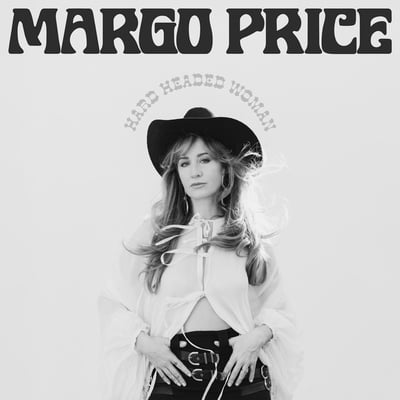
Margo Price Hard Headed Woman
Released Aug 29, 2025 Loma Vista Recordings
Established consensus 8 professional reviews Updated Oct 1, 2026
Broadly positive consensus
Margo Price's Hard Headed Woman stakes a defiantly warm claim to classic country, threading honky-tonk vigor with frank political edge and personal storytelling.
How ChoruScore worksCritics' Top Tracks
The songs critics returned to most
Don’t Let The Bastards Get You Down
7 critic mentions
“you'll find the lyric of the year at the top of the record on "Don’t Let the Bastards Get You Down” — Paste Magazine
Don't Wake Me Up [Feat. Jesse Welles]
5 critic mentions
“The way the world is going ain’t where I’m at/If soon enough we’ll all be dead/I’d rather be living it up, up in my head” — Clash Music
I Just Don’t Give A Damn
7 critic mentions
“I Just Don’t Give A Damn swaps the original’s sedate front-porch trot for an itchy, horns-imbued groove” — Mojo
Full critic consensus
Margo Price's Hard Headed Woman stakes a defiantly warm claim to classic country, threading honky-tonk vigor with frank political edge and personal storytelling. Across eight professional reviews the record earned a 78.13/100 consensus score, and critics repeatedly singled out songs that blend bite with tenderness - notably “Don’t Let The Bastards Get You Down”, “Don’t Wake Me Up [Feat. Jesse Welles]” and “I Just Don’t Give A Damn” - as the album's clearest high points.
The critical consensus emphasizes songcraft and tradition without nostalgia for its own sake. Reviewers praise Price's honky-tonk revivalism and narrative instincts, celebrating how rollicking numbers like “Don’t Wake Me Up [Feat. Jesse Welles]” and “Losing Streak” deploy swagger and humour, while quieter pieces such as “Close To You” and the duet “Love Me Like You Used To Do [Feat. Tyler Childers]” supply emotional ballast. Critics note recurring themes of defiance, resilience and political commentary, and many highlight collaborations and covers as evidence of communal warmth and reverence for country roots.
While several reviews frame Hard Headed Woman as a confident homecoming, perspectives are measured - praise for standout tracks and production clarity sits alongside observations that the record is deliberate rather than revolutionary. The consensus suggests the collection is worth hearing for its memorable hooks, storytelling honesty and the standout songs that anchor Price's return to tradition. Below, the full reviews unpack why critics agree these are some of the best songs on Hard Headed Woman and what the album means for her catalog.
Track Ratings
How critics rated each track, relative to this album (0-100). Only tracks that made critics feel something are rated.
Prelude {Hard Headed Woman}
Don’t Let The Bastards Get You Down
Red Eye Flight
Don't Wake Me Up [Feat. Jesse Welles]
Close To You
Nowhere Is Where
Losing Streak
I Just Don’t Give A Damn
Keep a Picture
Love Me Like You Used To Do [Feat. Tyler Childers]
Wild At Heart
Kissing You Goodbye
Get the next albums worth your time.
Critic-backed picks in one clean digest. No clutter.
What Critics Are Saying
Deep insights from 8 critics who reviewed this album

Critic's Take
In his clear-eyed tone, Steve Horowitz frames Margo Price as defiantly herself on Hard Headed Woman, with the best songs being the anthemic “Don’t Let the Bastards Get You Down” and the rollicking “I Just Don’t Give a Damn”. The review argues these songs crystallize Price’s hardheaded honesty and make them the standout tracks on the album.
Key Points
-
The best song is “Don’t Let the Bastards Get You Down” because it crystallizes Price’s defiant, anthemic spirit.
-
The album’s core strengths are its balance of hardheaded anger and tender country moments, delivered with autobiographical honesty.
Themes


Critic's Take
Maddy Smith’s prose delights in the album’s rhinestone-strewn landscapes and saccharine vocals, celebrating how those songs marry bubblegum country melodies with sharper political undertones. Overall, it reads as a heartfelt, personable collection that foregrounds Price’s storytelling and conviction.
Key Points
-
The best song, “Don’t Let the Bastards Get You Down”, succeeds by blending humour with political undertones and classic country hooks.
-
The album’s core strengths are heartfelt storytelling, classic country tropes, and a warm return to Price’s Nashville roots.
Themes

Critic's Take
James McNair writes with that admiring, slightly rueful Mojo cadence, admiring the record's rhinestones and tear-soaked Kleenex while praising its stubborn individuality. The duet with Tyler Childers is praised as a last-chance saloon ballad that convinces, while “Losing Streak” channels Price's crucible-born honesty to strong effect. This is an album both reverent and restless, where classic lexicon meets horns, Telecaster chicken-pickin' and blackly comic lines to memorable result.
Key Points
-
Losing Streak is best for its raw, crucible-born honesty and convincing delivery.
-
The album's core strengths are a return to classic country language, strong personal songwriting, and bold production choices.
Themes

Critic's Take
The opener “Don’t Let the Bastards Get You Down” contains the lyric of the year and spins downright anthemic lines, setting the tone for Price’s coarse defiance. Penultimate “Wild At Heart” neatly dovetails personal regrets and political motifs, proving Price’s rebellious soul is still intact.
Key Points
-
“Don’t Let the Bastards Get You Down” is the album’s standout for its quotable, anthemic lyric and defiantly playful delivery.
-
The album’s core strengths are its blend of personal storytelling and political defiance, wrapped in honky tonk arrangements and sharp lyrics.
Themes

Critic's Take
Margo Price returns to roots on Hard Headed Woman, leaning into classic country craft while stealing small pleasures. Hermes singles out “Nowhere Is Where” as an aching near-classic and praises the rollicking energy of “Red Eye Flight” and the Stones-tinged swagger of “Losing Streak”. The record feels like tasteful integration rather than retreat, a set where covers and collaborations pay off and the best tracks stand as proof that Price still knows how to make timeless country songs.
Key Points
-
The aching ballad “Nowhere Is Where” is the album's standout for its near-classic Patsy Cline resonance.
-
Price's strengths are classic songcraft, savvy covers and collaborations, and finding pleasure amid political unease.
Themes
Ho
Critic's Take
The record's mix of old-time waltz, Latin lilt and shuffle means the best songs on Hard Headed Woman wear tradition lightly while still landing memorable hooks. Overall, the album feels like a confident homecoming with several standout tracks that repay repeated listens.
Key Points
-
The album's core strengths are its melodic nods to Nashville tradition, witty lyricism, and varied genre touches from waltz to brass stomp.
Themes

Critic's Take
Daniel Kohn’s tone is admiring and precise, noting how producer Matt Ross-Spang tightens the album while songs like “I Just Don’t Give A Damn” and “Losing Streak” trade raw autobiography for rousing protest. The result is an album that feels purposeful and alive, a return that reinforces Price’s refusal to compromise while delivering some of the best tracks on Hard Headed Woman.
Key Points
-
The best song is the first single, "Don’t Let The Bastards Get You Down," because it is a throwback country rocker and rallying cry.
-
The album’s core strengths are its return to country roots, fiery protest themes, autobiographical honesty, and balanced tender moments.