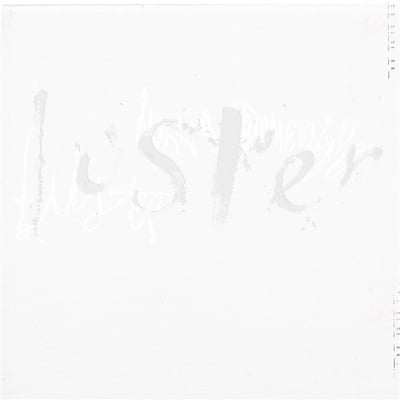
Maria Somerville Luster
Released Apr 25, 2025 4AD
Established consensus 7 professional reviews Updated Oct 1, 2026
Broadly positive consensus
Maria Somerville's Luster unfolds like a coastal reverie, its dream-pop and shoegaze textures braided with Celtic spirituality and modern electronic flourishes to striking effect.
How ChoruScore worksCritics' Top Tracks
The songs critics returned to most
Réalt
5 critic mentions
“The gossamer synths of the sub-two-minute Réalt are a transportive, and then grounding, introduction” — The Skinny
Garden
4 critic mentions
“on the breathtaking "Garden," she swims through time itself, past dark caves and out toward warmer waters.” — Pitchfork
Spring
3 critic mentions
“Spring’, with its Cocteau Twins strum and trip-hop drums, turns that fragment into a full-length track” — The Quietus
Full critic consensus
Maria Somerville's Luster unfolds like a coastal reverie, its dream-pop and shoegaze textures braided with Celtic spirituality and modern electronic flourishes to striking effect. Across seven professional reviews the record earned an 82.14/100 consensus score, and critics consistently point to immersive, place-rooted songs as the album's clearest achievements. Opener “Réal t” (presented as “Réal t” in some coverage) and the frequently cited “Garden”, “Spring” and “Projections” emerge as the best songs on Luster, each singled out for vivid atmospherics and textural production that feel both ancient and immediate.
The critical consensus emphasizes Somerville's world-building: reviewers praised how field recordings, folk instrumentation and uilleann-pipe drones anchor otherwise uncanny electronic arrangements, turning solitude and memory into panoramic vignettes. Critics from The Quietus and Hot Press highlighted the album's Connemara-rooted imagery, while Pitchfork and Clash noted the record's ability to blend dream-pop gossamer with occasional hyperpop or neo-industrial crunch. Reviewers consistently called out the balance of tradition and experimentation - moments of hymn-like vocal hush or throaty auto-tune sit comfortably beside shivering synths and subtle breakbeats.
Not all commentary is unqualified praise; some reviews describe the sound as slightly alienating or intentionally distant, suggesting the album rewards patient listening rather than immediate hooks. Still, across seven professional reviews the consensus score and recurring praise for tracks like “Réal t”, “Garden” and “Spring” argue that Luster is a rewarding, texturally rich collection that cements Somerville's evolution as a maker of evocative, boundary-pushing dream pop. For readers looking for a measured verdict on whether Luster is worth exploring, critics agree its standout songs and atmospheric cohesion make it a significant and often luminous listen.
Track Ratings
How critics rated each track, relative to this album (0-100). Only tracks that made critics feel something are rated.
Réalt
Projections
Garden
Corrib
Halo
Spring
Stonefly
Flutter
Trip
Violet
Up
October Moon
Get the next albums worth your time.
Critic-backed picks in one clean digest. No clutter.
What Critics Are Saying
Deep insights from 7 critics who reviewed this album

Critic's Take
Maria Somerville's Luster reads as a unified, sensually stunning record where the best tracks - “Réalt”, “Halo” and “Spring” - crystallise her vertiginous creative growth. Murray writes with a palpable awe, calling opener “Réalt” audio perfume and praising the symphonic sweep of “Halo”, while “Spring” channels neo-industrial crunch into a Massive Attack worthy beat. This is an album whose best songs build world after world, mixing bucolic imagery with uncanny electronics to dramatic, haunting effect.
Key Points
-
The best song(s) like 'Réalt' combine fragrant, formless opening textures with precise emotional focus to arrest the listener.
-
The album's core strengths are world-building, mixing bucolic rural imagery with uncanny electronic production and dreamlike atmospheres.
Themes

Critic's Take
Maria Somerville's Luster makes its strongest impression in moments like “Projections” and “Garden”, where dream pop's gossamer textures meet shivering, mythic intimacy. The reviewer's voice lingers over the hush of “Projections” - "Projections of you/In my head" - and praises the way “Garden” lets her "swim through time itself," marking those as the album's best tracks. Sparse production and subtle collaboration give these songs room to feel both ancient and immediate, which is why listeners asking for the best songs on Luster will find themselves returning to “Projections” and “Garden” again and again. Overall, the record is celebrated as an evolutionary leap, a sublime surveying of dream pop that rewards patient listening.
Key Points
-
The best song is "Garden" because it is described as "breathtaking" and lets Somerville "swim through time itself," making it emotionally expansive.
-
The album's core strengths are its mythic, landscape-infused dream pop textures and subtle collaborations that expand Somerville's sound.
Themes

Critic's Take
Maria Somerville's Luster luxuriates in coastal quiet while delivering its best moments as shimmering, textural songs - the opener “Réalt” plants you in dawn birdsong and sets the tone, while “Projections” and “Garden” show how Somerville turns vintage shoegaze gestures into vivid, modern landscapes. The record's finest tracks braid tradition and electronics, so when “Corrib” feels like a fragment of a pop song arriving in a dream, and “Spring” extends that into a fully formed piece, you realise those are the best songs on Luster. The voice, occasionally throaty or auto-tuned, flits between hymn and whisper, and on songs like “Stonefly” the lyricism and atmosphere make them standouts rather than mere pastiches. Overall the album does one thing and does it well, offering its best tracks as immersive, place-rooted vignettes rather than checklist exercises.
Key Points
-
The best song is the opener “Réalt” because its dawn birdsong and atmosphere set the album's tonal benchmark.
-
The album's core strength is immersive, place-rooted soundscapes that blend shoegaze textures with Irish landscape and collaborative modern touches.
Themes

Critic's Take
Maria Somerville's Luster finds its strongest moments in intimate, textured songs like “Trip” and “Violet”, where hushed vocals and chilly production turn small ideas into vivid panoramas. The reviewer hears a distinctive, slightly alienating but sexy sound - harps that twinkle like broken glass and baggy breakbeats that reverberate through a bedroom wall, making tracks such as “Trip” linger as the best songs on Luster. These are the best tracks on Luster because they balance evocative lyrics with immersive, experimental details, transforming solitude into a kind of exhilarating, beautiful chaos.
Key Points
-
The best song is “Trip” because its curious, circular lyric and hushed delivery crystallize the album's evocative strengths.
-
The album's core strength is its textured, intimate production that blends folk, shoegaze and experimental elements into evocative solitude.
Themes

Ho
Critic's Take
Maria Somerville's Luster reads like a hymn to Connemara, the reviewer lavishing praise on songs such as “Réalt” and “Violet” for their evocative atmospherics. Will Russell's tone is admiring and descriptive, noting how “Réalt” breezes in with birdsong and how “Violet” haunts with uillean pipe drones, making them among the best tracks on Luster. He ties the album to 4AD dream-pop lineage while crediting Somerville's Celtic-inflected vision, explaining why listeners will seek out the standout moments. The result is a recommendation that positions these best songs on Luster as both immediate and deeply rooted in place and tradition.
Key Points
-
The best song is the opener “Réalt”, which sets the album's mood with birdsong and waving synth.
-
The album's core strengths are its dream-pop textures married to Celtic instrumentation and a strong sense of place.
Themes

Critic's Take
Maria Somerville's Luster feels made for that liminal hour just before sunrise, and its best songs prove it: “Garden”, “Spring” and “Violet” map a soundworld where gossamer synths and slowcore rhythms coexist. Inglis revels in the album's canny updates to dreampop and shoegaze, noting how “Spring” turns breakbeats and autotune into something strangely majestic. The review highlights “Garden” and “Violet” as listen-to moments while praising the abstract interlude “Flutter” for its processed-violin surge. Overall, the record's mix of homage and fresh color makes the best tracks on Luster feel both familiar and newly luminous.
Key Points
-
Spring is the best song for its inventive fusion of breakbeats, autotune and slowcore, called the album's apotheosis.
-
The album's core strengths are its textured dreampop/shoegaze ambience and inventive updates that make homage feel fresh.