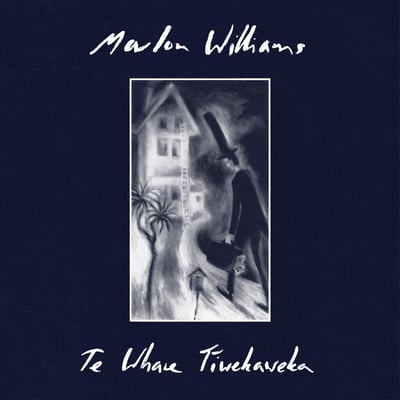
Marlon Williams Te Whare Tiwekaweka
Released Apr 4, 2025 Marlon Williams
Early read 2 professional reviews Updated Nov 30, 2025
Strong critical consensus
Early read based on 2 professional reviews. Marlon Williams's Te Whare Tiwekaweka unfolds as a quietly powerful reclamation of language, home, and belonging, with critics calling it a moving blend of folk-pop and te reo Māori intimacy.
How ChoruScore worksCritics' Top Tracks
The songs critics returned to most
Kāhore He Manu E
2 critic mentions
“Chosen family is a crucial element of the album as old friend Lorde appears on his second single ‘Kāhore He Manu E’.” — Clash Music
Aua Atu Rā
2 critic mentions
“The highlight of the project is the lead single ‘Aua Atu Rā’, which was also the first song written for the album.” — Clash Music
Whakamaetia Mai
1 critic mention
“The track feels refreshingly familiar, like a campfire serenade on a warm summer’s evening.” — Clash Music
Full critic consensus
Marlon Williams's Te Whare Tiwekaweka unfolds as a quietly powerful reclamation of language, home, and belonging, with critics calling it a moving blend of folk-pop and te reo Māori intimacy. Across professional reviews, the record's most affecting moments arrive in songs such as “Kāhore He Manu E” and “Aua Atu Rā”, where spare arrangements and fragile harmonies—notably a duet with Lorde on “Kāhore He Manu E”—turn language into an emotional conduit.
The critical consensus highlights themes of isolation and companionship, ancestry and chosen family, and the spiritual weight of returning to one’s tongue. Reviewers consistently praise the cinematic nostalgia of “Aua Atu Rā” and the two-minute, melancholy duet “Kāhore He Manu E” as standout tracks; Clash Music additionally names “Whakamaetia Mai” for its communal, choral warmth. Across two professional reviews the album earned an 87.5/100 consensus score, with critics noting that its genre-blurring folk-pop arrangements let questions of identity and generational trauma surface without overwriting the songs' intimacy.
While both reviews celebrate the emotional clarity and language-forward songwriting, they frame the record less as a technical reinvention than as a felt reclamation - an album that asks to be experienced rather than overanalyzed. For listeners asking whether Te Whare Tiwekaweka is worth hearing, the consensus from music critics suggests it stands as a quietly essential, deeply personal entry in Marlon Williams's catalog, anchored by the best songs on the record: “Kāhore He Manu E”, “Aua Atu Rā”, and “Whakamaetia Mai”.
Track Ratings
How critics rated each track, relative to this album (0-100). Only tracks that made critics feel something are rated.
E Mawehe Ana Au
Kei Te Mārama
Aua Atu Rā
Me Uaua Kē
Korero Māori
Ko Tēnā Ua
Whakameatia Mai
Ngā Ara Aroha
Huri te Whenua
Kuru Pounamu
Kāhore He Manu E
Pānaki
Rere Mai Ngā Rau
Pōkaia Rā te Marama
Get the next albums worth your time.
Critic-backed picks in one clean digest. No clutter.
What Critics Are Saying
Deep insights from 3 critics who reviewed this album

Critic's Take
Marlon Williams’s Te Whare Tiwekaweka feels like home and a reclamation of voice, with the best songs illuminating his return to te reo Māori. The review singles out “Aua Atu Rā” as the highlight, a lead single that inverts communal whakatauki into a haunting solitude. Overall the album asks to be felt rather than parsed, its melodies and harmonies carrying the strongest tracks to the fore.
Key Points
-
“Aua Atu Rā” is best for its emotional inversion of communal proverbs and haunting, gliding vocals.
-
The album’s core strengths are its use of te reo Māori, intimate vocal performances, and a warm, spiritual atmosphere.
Themes


Critic's Take
Marlon Williams’s Te Whare Tiwekaweka finds its most arresting moments in songs like “Kāhore He Manu E” and “Aua Atu Rā”, where language and feeling fuse into something aching and intimate. The reviewer delights in the exquisite pairing with Lorde on “Kāhore He Manu E”, praising the fragile two-minute harmony that conjures melancholy and home. There is praise for the Blue Hawaii-reminiscent shimmer of “Aua Atu Rā” and its nostalgia-drenched guitar that makes isolation feel cinematic. Overall, the best tracks on Te Whare Tiwekaweka are lauded for turning te reo into an emotional conduit, making them the standout moments of the album.
Key Points
-
“Kāhore He Manu E” is the best song for its exquisite vocal pairing with Lorde and the haunting, concise melancholy it achieves.
-
The album’s core strength is turning te reo into an emotional, genre-blurring vehicle that communicates identity, home, and yearning.