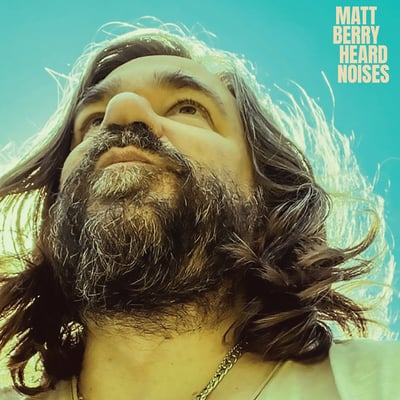
Matt Berry Heard Noises
Released Jan 24, 2025 Acid Jazz UK
Established consensus 8 professional reviews Updated Dec 10, 2025
Broadly positive consensus
Matt Berry's Heard Noises lands as a vivid, nostalgically inventive statement that critics largely greeted with enthusiasm, and the consensus suggests it is well worth attention.
How ChoruScore worksCritics' Top Tracks
The songs critics returned to most
Why On Fire?
6 critic mentions
“The opening bars of the first track, ‘Why On Fire’, gently and warmly welcome you to the album” — XS Noize
I Gotta Limit
5 critic mentions
“Teaming up with the very gifted Kitty Liv, ‘I Gotta Limit’ is a gorgeous slice of soul” — XS Noize
There Are Monsters
5 critic mentions
“There Are Monsters’ opens as a Nuggets-style garage punk thrasher before dissolving into something a bit more groovy” — Clash Music
Full critic consensus
Matt Berry's Heard Noises lands as a vivid, nostalgically inventive statement that critics largely greeted with enthusiasm, and the consensus suggests it is well worth attention. Across eight professional reviews the record earned an 81.5/100 consensus score, with reviewers repeatedly pointing to its liminal psych-pop textures, vintage production, and a knack for balancing catchy hooks with uneasy, filmic atmospheres. The question of whether Heard Noises is good is answered by critics who call it both accessible and richly strange, a pop record that still rewards repeated listens.
Reviewers consistently highlight “Why On Fire?” as the album's galvanising opener, citing its Who-like thrust and space-rock flips; several critics also single out “Sky High”, “Silver Rings”, and “There Are Monsters” as standout tracks that capture Berry's retro-psych and West Coast flourishes. While the Super Deluxe remix package earns praise from Classic Rock for its reimagined skins such as remixes of “Wedding Photo Stranger”, mainline reviews from Clash, Louder Than War and XS Noize concentrate on the core set's strengths: instrumentally ambitious arrangements, vintage analog synth warmth, and moments of bittersweet irony that convert melancholy into groove.
Not all perspectives are identical - some critics emphasise the album's immediate pop accessibility and duets, others foreground its experimental or prog-tinged gestures - but the professional reviews converge on a clear picture: Heard Noises is a carefully wrought, often cinematic collection that expands Berry's palette without diluting his character. For readers looking for the best songs on Heard Noises, start with “Why On Fire?”, then explore “Sky High”, “Silver Rings” and “There Are Monsters”; the record's mix of craft and eccentricity makes it a rewarding stop in Berry's catalogue and a persuasive argument for his most fully realised solo statement to date.
Track Ratings
How critics rated each track, relative to this album (0-100). Only tracks that made critics feel something are rated.
Why On Fire?
Silver Rings
Interlude
Be Alarmed
I Gotta Limit
Wedding Photo Stranger
Stay On The Ground
I Entered As I Came
There Are Monsters
To Live For What Once Was
Canada Dry
The Snakes Will Slide
Interlude 2
Sky High
Get the next albums worth your time.
Critic-backed picks in one clean digest. No clutter.
What Critics Are Saying
Deep insights from 8 critics who reviewed this album


Critic's Take
Matt Berry returns with Heard Noises, a unified, concise collection that stakes its claim among his best solo work, and the best songs on Heard Noises include “Why On Fire?” and “Sky High”. Robin Murray praises the zesty opener “Why On Fire?” and the ringing, Byrds-ian guitars of “Silver Rings”, while singling out “I Gotta Limit” as an ultra-groovy duet and “Sky High” as a phenomenal acid-soaked closer. The record is at its most thrilling when Berry cuts loose - from Nuggets-style grit on “There Are Monsters” to Baroque chording on “Stay On The Ground”, the best tracks balance invention with a palpable cinematic sheen. Playing almost all instruments, Berry makes these standout songs sound both immediate and lovingly vintage, which is why the best tracks on Heard Noises linger long after the needle lifts.
Key Points
-
The best song(s) stand out for vivid production and memorable hooks, with “Sky High” singled out as a phenomenal closer.
-
The album’s core strengths are vintage-tinged psychedelic songwriting, instrumental variety, and concise, unified sequencing.
Themes
Re
Critic's Take
Matt Berry's Heard Noises is stitched from hazy psych textures and melting sunshine-pop, and the record's best songs prove its emotional cores. The reviewer's eye lingers on “Stay On The Ground”, called out for its self-centring line and dark wit, while other standouts are woven through the album's liminal melodies. In the same voice that notes a mother as an unwitting ventriloquist, the critic argues these moments give Berry arguably his best album yet, balancing disarming beauty with discomfiting observation.
Key Points
-
The best song, “Stay On The Ground”, crystallises the album's blend of self-centring lyrics and hazy psych-pop.
-
Heard Noises' core strengths are its liminal atmospherics, melodic sunshine-pop hooks, and discomfiting lyrical observations.
Themes
Cl
Critic's Take
In Classic Rock's frank, slightly bemused tone, this Super Deluxe of Heard Noises feels like a gift to collectors and remix obsessives, with the best tracks revealed in their reimagined skins. Matt Berry sees “Wedding Photo Stranger” repeatedly reinvented - Andy Votel turns it into a seedy psycho-thriller soundtrack while Tennis give it dream-pop lift - and those versions, alongside Moog Cookbook’s take on “To Live For What Once Was” and Midfield General’s stripped-back “Why On Fire?”, make for the clearest answers to the question of the best tracks on Heard Noises. The reviewer's voice stays conversational and slightly sardonic, praising the box's sonic adventurousness and its clear appeal to hardcore fans. Overall, it reads as enthusiastic about the remixes even while noting this is primarily a desirables package for collectors.
Key Points
-
The best song moments come from remixes that radically reframe originals, especially “Wedding Photo Stranger” and “To Live For What Once Was”.
-
The album’s core strength is adventurous reimagining and strong appeal to hardcore collectors and remix enthusiasts.
Themes

Critic's Take
Matt Berry's Heard Noises is presented as his most accessible record yet while still wearing its psychedelia proudly - the review keeps returning to the immediacy of tunes like “Why On Fire?” and “I Gotta Limit”. Paul W. writes in a conversational, slightly nostalgic tone, noting how opener “Why On Fire?” flips from Brit rock into trippy space rock and how “I Gotta Limit” channels Northern soul, which explains why listeners will ask about the best songs on Heard Noises. The reviewer praises catchy hooks such as those in “Silver Rings” and “Canada Dry”, but also highlights darker moments in “I Entered As I Came” and “There Are Monsters” to show the album's pleasing balance. Overall the voice is warm and admiring, recommending Heard Noises as a great entry point while insisting its blend of sweetness and spacey synth keeps it interesting.
Key Points
-
The best song is the opener “Why On Fire?” because it marries catchy Brit-rock melody with unexpected spacey experimentation.
-
The album's core strengths are its vintage analog synth colors and the balance between immediately catchy hooks and deeper psychedelic textures.
Themes

Critic's Take
In his characteristically exuberant tone Daryl Easlea celebrates Matt Berry's Heard Noises as a mini-universe of strange delights, arguing the best songs - “Why On Fire?” and “Be Alarmed” - showcase Berry's instrumental prowess and cinematic imagination. Easlea names “Why On Fire?” as the Who-like opener that immediately sets the scene, and treats “Be Alarmed” as the album's centrepiece, filmic and wyrd. He also highlights closing romp “Sky High” for its melodic twists and jazz denouement, explaining why these tracks count among the best songs on Heard Noises.
Key Points
-
Heard Noises excels through instrumental craftsmanship, genre-hopping pastiche, and a consistent surreal atmosphere.
Themes

Critic's Take
Matt Berry’s Heard Noises is a glorious dive into retro psych where the best tracks - “Why On Fire?”, “Silver Rings” and “Sky High” - shine brightest for their catchy rhythms and grand statements. The record brims with Californian acid-tinged pop and space-rock flourishes, and “Why On Fire?” kicks things off with a cracking entrance that sets the tone. “Silver Rings” proves Berry can write late 60s pop classics, while the closer “Sky High” feels like a celebratory summation of the album’s pleasures. The listener searching for the best songs on Heard Noises will find them in those buoyant, melodic highlights that best capture Berry’s inventive nostalgia.
Key Points
-
The best song is the opening “Why On Fire?” because it provides a cracking start with rich arrangements and choir that define the album.
-
The album’s core strengths are its expert retro-psych songwriting, varied vintage instrumentation, and strong collaborative performances.
Themes

Critic's Take
Matt Berry remains gloriously his own man on Heard Noises, and the best songs - notably “There Are Monsters” and “Why On Fire?” - show why. The reviewer revels in Berry's sly psychedelia and prog-pop flourishes, praising “There Are Monsters” as an absolute belter and highlighting the eerie, retro-modern pull of “Why On Fire?”. Tracks like “I Gotta Limit” and “Stay On The Ground” underscore Berry's knack for soulful duets and uplifting hooks, making the best tracks on Heard Noises both immediate and strangely affecting. Overall the record is celebrated for its imaginative sequencing and joyful unpredictability, which explains why listeners searching for the best songs on Heard Noises should start with those standout cuts.
Key Points
-
‘There Are Monsters’ is the standout for its blend of 60s soul, 70s funk and psychedelic glory, described as an 'absolute belter'.
-
The album's core strengths are imaginative genre-blending, strong sequencing, and Berry's multi-instrumental craftsmanship.