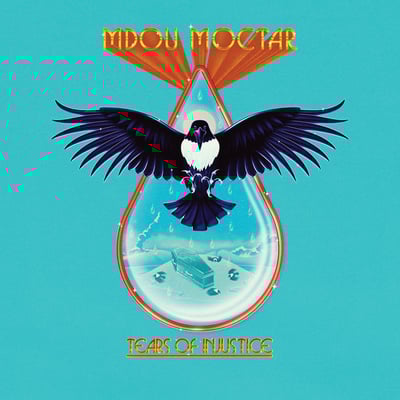
Mdou Moctar Tears Of Injustice
Released Feb 28, 2025 Matador
Established consensus 7 professional reviews Updated Dec 10, 2025
Broadly positive consensus
Mdou Moctar's Tears Of Injustice reframes familiar fury as intimate mourning, trading amplification for plaintive acoustic textures that foreground politics and loss.
How ChoruScore worksCritics' Top Tracks
The songs critics returned to most
Imouhar - Injustice Version
7 critic mentions
“Tears of Injustice is a companion piece to Funeral for Justice, in which Moctar and his band perform stripped-down arrangements of each plugged-in piece” — PopMatters
Funeral for Justice - Injustice Version
6 critic mentions
“Funeral for Justice was an album of martyrdom; the funeral was galvanizing, and the revolution was almost ready to boil over.” — PopMatters
Modern Slaves - Injustice Version
5 critic mentions
“The album closer “Modern Slaves” underscores the extraordinary power of responding to hopelessness” — Rolling Stone
Full critic consensus
Mdou Moctar's Tears Of Injustice reframes familiar fury as intimate mourning, trading amplification for plaintive acoustic textures that foreground politics and loss. Across professional reviews, critics find the record's acoustic reworkings turn outrage into elegy - a sober, communal reckoning with exile, homesickness, and post-colonial grievance that still pulses with urgency.
The critical consensus awards the collection an 80.57/100 across 7 professional reviews, with reviewers consistently praising stripped-down arrangements and the Tuareg tishoumaren tradition that shapes songs like “Imouhar - Injustice Version”, “Funeral for Justice - Injustice Version” and “Modern Slaves - Injustice Version”. Critics note how the pared-back percussion, bass-centered grooves and tende-like drumming allow lyrics naming France and Niger to cut deeper, and how the acoustic return reveals the material's adaptability and moral clarity. Several reviews highlight “Oh France - Injustice Version” and the communal feel of the sessions as proof that grief and resistance can coexist in delicate, powerful ways.
While most reviewers praise the album's mournful focus and the way quiet arrangements expose the protest heart of the songs, some point out a loss of pyrotechnic guitar spectacle from earlier electric outings. Still, the consensus suggests Tears Of Injustice works as both companion and corrective to its louder counterpart: a document of political urgency rendered through tradition, lament, and unexpectedly searing restraint. For readers searching for an Tears Of Injustice review or the best songs on Tears Of Injustice, the record's standout acoustic versions emerge as its most essential listening, offering sorrow that sounds like a call to witness.
Track Ratings
How critics rated each track, relative to this album (0-100). Only tracks that made critics feel something are rated.
Funeral for Justice - Injustice Version
Imouhar - Injustice Version
Takoba - Injustice Version
Sousoume Tamacheq - Injustice Version
Imajighen - Injustice Version
Tchinta - Injustice Version
Oh France - Injustice Version
Modern Slaves - Injustice Version
Get the next albums worth your time.
Critic-backed picks in one clean digest. No clutter.
What Critics Are Saying
Deep insights from 9 critics who reviewed this album
mu

Critic's Take
In this piece S. Noor frames Mdou Moctar's Tears of Injustice as a quieter, inward pivot that still packs political weight. The review highlights the stripped-back, mostly acoustic approach and traditional instrumentation as the record's defining strengths, showing why the best tracks on Tears of Injustice feel intimate yet urgent. Noor points to the continuity from last year's fiery work to these calmer cuts, making songs like “Funeral for Justice - Injustice Version” and “Imouhar - Injustice Version” stand out for their moral clarity and folk textures. Overall, the reviewer praises the album's ability to offer hope and a voice for the voiceless while toning down the fury into focused reflection.
Key Points
-
The best song stands out by translating prior political fury into intimate, acoustic moral clarity.
-
The album's core strengths are its stripped-back arrangements, traditional instrumentation, and its focus on political instability and hope.
Themes


Critic's Take
The reviewer hears anger and exhaustion still reverberate through hand drums, acoustic strings, and a very low end, making these stripped versions as potent as their louder counterparts.
Key Points
-
The album’s core strengths are its sustained anger and exhaustion translated into acoustic arrangements and a commanding low end.
Themes

Critic's Take
Mdou Moctar trades the pyrotechnics of Tears Of Injustice for a mournful, acoustic clarity that makes the best tracks, like “Funeral for Justice - Injustice Version” and “Imouhar - Injustice Version”, land with more emotional weight. The record reads as a companion piece to its electric counterpart, and the quieter arrangements let Moctar’s nimble playing and plaintive voice take center stage. If you want to know the best songs on Tears Of Injustice, listen for the tracks that favor lamentation over revolt - they reveal his ability to turn political sorrow into beautiful, solemn music. This is less a call to arms than a call to listen, and those subdued standout moments make the album memorable.
Key Points
-
The best song, particularly “Funeral for Justice - Injustice Version”, succeeds by translating revolution into mournful, emotionally weighty acoustic form.
-
The album's core strength is its sober, acoustic reinvention of politically charged material, foregrounding Moctar's guitar virtuosity and plaintive voice.
Themes

Critic's Take
There have always been two sides to Mdou Moctar, and on Tears Of Injustice the best songs - notably “Imouhar - Injustice Version” and “Oh France - Injustice Version” - find a quieter, more devastating power. The closer “Modern Slaves - Injustice Version” is singled out as proof that sitting down with friends and making gorgeous music can answer hopelessness. This is an album whose best tracks are its stripped-down, communal heart, the songs you search for when you want the best tracks on Tears Of Injustice.
Key Points
-
“Imouhar - Injustice Version” is best for its expansive eight-minute reinvention that turns electric fury into intimate acoustic reverie.
-
The album’s core strength is turning protest songs into communal, mournful acoustic performances that bond and soothe.
Themes

Critic's Take
Mdou Moctar arrives on Tears Of Injustice with a volcanic guitar voice, and the best tracks - notably “Funeral for Justice - Injustice Version” and “Imouhar - Injustice Version” - pin the record to its most thrilling moments. The reviewer’s language crackles: the opening blast is an "obliterating" blitzkrieg riff that jets to the stratosphere, so these songs stand out as the album's fiercest statements. Throughout the review the balance of molten metal and Tuareg melody keeps returning, which is why listeners searching for the best songs on Tears Of Injustice will keep circling back to those incendiary openers. The tone is admiring but urgent, insisting these tracks are where the album’s political and musical force concentrates.
Key Points
-
The best song is the opener because its "obliterating" guitar sets the album’s explosive tone.
-
The album’s core strengths are volcanic guitar work and the fusion of political urgency with Tuareg musical roots.
Themes

Critic's Take
Daniel Bromfield’s review watches the album trade fretboard squall for sturdy ostinatos and tende-like drums, and argues the acoustic versions foreground lyrics - naming places like France and Niger - in a way the electric originals did not. The result is less about technical fireworks and more about adaptability and sorrow, with the band’s tension-filled sessions giving weight to tracks that center the politics and feeling behind the music.
Key Points
-
The album’s core strength is its demonstration of Moctar’s adaptability, turning electric fury into acoustic grief while centering lyrics and context.
Themes

Critic's Take
Mdou Moctar’s Tears Of Injustice finds its best tracks in the album’s quieter revelations, especially “Imouhar - Injustice Version” and “Funeral for Justice - Injustice Version”. The review’s tone is elegiac and admiring, noting how the stripped-down takes turn outrage into grief and reveal the songs’ original acoustic cores. The narrative stresses that these best songs retain their heaviness without volume, becoming haunting, intimate versions that expose the music’s protest heart. It reads like an explanatory addendum to the original record, praising how the band proves the material’s strength in a raw, traditional setting.
Key Points
-
The best song is "Imouhar - Injustice Version" because its hypnotic, continuous eight-minute take lays bare the material’s immediacy.
-
The album’s core strength is translating amplified outrage into intimate, haunting acoustic protest that preserves the songs’ heaviness.