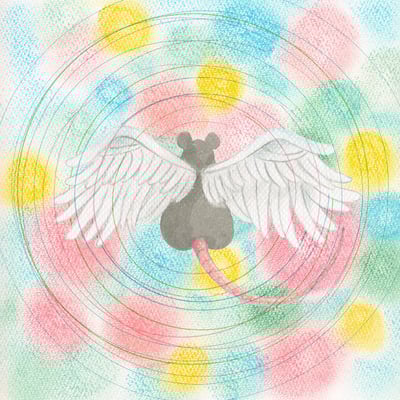
Mei Semones Animaru
Released May 2, 2025 Bayonet Records
Established consensus 6 professional reviews Updated Nov 30, 2025
Broadly positive consensus
Mei Semones's Animaru arrives as a debut that brims with confident unpredictability, folding bossa nova, jazz, indie-pop and J-pop into intimate, textural songs that reward repeat listens.
How ChoruScore worksCritics' Top Tracks
The songs critics returned to most
Dumb Feeling
6 critic mentions
“Lead single and opener "Dumb Feeling" is a fantastic primer to this world” — Sputnikmusic
Animaru
5 critic mentions
“The title track shows of a louder side to Semones, starting softly before building to a thundering middle section” — Clash Music
Tora Moyo
3 critic mentions
“Tora Moyo" and "Dumb Feeling" remind me of Semones’ work with John Roseboro” — Paste Magazine
Full critic consensus
Mei Semones's Animaru arrives as a debut that brims with confident unpredictability, folding bossa nova, jazz, indie-pop and J-pop into intimate, textural songs that reward repeat listens. Critics consistently point to “Dumb Feeling” as the record's calling card, while the title track “Animaru” and “Donguri” emerge repeatedly as standout songs on the collection. Across reviews, the album's bilingual vocals, string textures and soft-loud dynamics establish a distinctive voice that balances youthful vibrancy with compositional maturity.
The critical consensus is strongly favorable: Animaru earned an 82.17/100 consensus score across 6 professional reviews, with reviewers praising Semones's genre-blending instincts and improvisational feel. Paste, Pitchfork and Sputnikmusic highlight the album's knack for odd tenderness and idiosyncratic imagery; DIY and Indie Is Not A Genre emphasize its deft fusion of jazz and bossa nova with chamber-pop flourishes; Clash and Sputnikmusic point to bright, concise tracks like “Tora Moyo” and “Donguri” as proof of the record's range. Critics consistently note that the best songs on Animaru pair playful subversion with polished arrangements rather than conventional pop gloss.
While some reviews flag moments of purposeful chaos or overwhelming variety, most reviewers agree that those risks are part of the album's appeal rather than flaws. The consensus suggests Animaru is worth exploring for listeners curious about hybrid genres and intimate, experiment-minded songwriting. Below, the full reviews unpack why tracks such as “Dumb Feeling”, “Animaru”, “Donguri” and “Tora Moyo” repeatedly surface as the album's high points.
Track Ratings
How critics rated each track, relative to this album (0-100). Only tracks that made critics feel something are rated.
Dumb Feeling
Dangomushi
Tora Moyo
I can do what I want
Animaru
Donguri
Norwegian Shag
Rat with Wings
Zarigani
Sasayaku Sakebu
Get the next albums worth your time.
Critic-backed picks in one clean digest. No clutter.
What Critics Are Saying
Deep insights from 7 critics who reviewed this album
In
Critic's Take
Mei Semones' debut Animaru feels like a bold, instinct-driven arrival, and the best tracks here - notably “Dumb Feeling” and “Zarigani” - showcase that confidence and inventiveness. Rosalie Morris's prose highlights Semones leaning into experimental, riskier musical concepts while keeping a warm, velvety center, so queries about the best songs on Animaru will point you to “Dumb Feeling” for its infectious bossa nova energy and “Zarigani” for its sweet, twin-sister tenderness offset by sudden guitars. The record repeatedly rewards attentive listening, blending bossa nova, jazz, samba, chamber pop, and rock into standout moments that make those tracks feel like the album's emotional and musical peaks.
Key Points
-
“Dumb Feeling” is the best song for its infectious bossa nova/samba blend and evocative New York meditation.
Themes


Critic's Take
Mei Semones's Animaru feels like a fully-formed debut, equal parts cozy and expansive, where the best tracks - notably “Dumb Feeling” and “Donguri” - reveal her knack for blending bossa nova, power-pop and delicate bilingual vocals. The opener “Dumb Feeling” serves as a fantastic primer, effortlessly bouncing from bossa nova verses to a soaring chorus and showcasing Mei's shifting English-Japanese delivery. Elsewhere, quieter moments like “Donguri” and the closing waltz “Sasayaku Sakebu” trade showmanship for earnest texturing, which keeps the album grounded. Taken together, Animaru is gorgeous, triumphant, and occasionally overwhelming in its variety, but consistently impressive in scope and imagination.
Key Points
-
The best song is "Dumb Feeling" because it exemplifies Mei's genre-blending, bilingual vocals, and power-pop lift.
-
The album's core strengths are its textural variety, confident debut songwriting, and seamless mix of cozy and expansive moods.
Themes

Critic's Take
Mei Semones makes a striking debut with Animaru, and the best songs on the record are clear from the first bars. “Dumb Feeling” announces her voice and musical palette - a unique blend of classical jazz, bossa nova and expressive indie-pop that immediately feels alive. The title track “Animaru” is another highlight, its bustling violin-string-vocal bridge making it stand out immensely. Even quieter moments like “Zarigani” — a sweeter reflection on siblinghood and childhood awe — prove the album rewards attentive listening.
Key Points
-
The best song is "Dumb Feeling" because it immediately showcases Mei’s unique blend of jazz, bossa nova and indie-pop.
-
The album’s core strengths are careful construction, tasteful arrangements, and moments of vivid personal reflection.
Themes

Critic's Take
In this review Christopher Connor finds Mei Semones already compelling on Animaru, with the best songs mixing genres and language with uncanny ease. He singles out “Dumb Feeling” as a track that "really brings together her musical journey" and praises “Tora Moyo” as a joyous two minutes 51 seconds, making them two of the best tracks on Animaru. The title track “Animaru” is highlighted for its louder, thundering middle section, while “Donguri” is noted as a soft, gorgeous jazz offset.
Key Points
-
The best song, "Dumb Feeling", is best because it synthesises Semones' indie, folk and jazz influences with depth and atmosphere.
-
The album’s core strengths are its genre-blending, bilingual vocals and confident songwriting that make a debut feel mature.
Themes

Critic's Take
In a voice that refuses tidy labels, Mei Semones makes Animaru into a miscellany of lived-in songs where “Dumb Feeling” and “Rat with Wings” stand out as the album's best tracks. The record delights in elastic tangents and purposefully arranged chaos, so the best songs on Animaru feel both improvised and exact, especially the intimate, city-strewn “Dumb Feeling”. Equally arresting, “Rat with Wings” pairs punky non-sequiturs with mordents of guitar that make it one of the best tracks on Animaru. Semones’ bilingual, genre-bending approach means the top songs reward repeat listens rather than easy classification.
Key Points
-
Dumb Feeling is best for its intimate lyrics and strong band interplay that make it especially great.
-
Animaru's core strengths are genre-blending, bilingual songwriting, and striking string arrangements that support an elastic, purposive chaos.
Themes

Critic's Take
On Mei Semones’ debut Animaru, the best tracks are the ones that fully commit to oddity — songs like “Dumb Feeling” and “Rat with Wings” reveal her knack for strange tenderness. Claire Lobenfeld’s tone is affectionate and precise, noting how those cuts sparkle when Semones leans into uncanny imagery and playful subversion rather than pure polish. If you search for the best songs on Animaru, the album rewards attention to its idiosyncratic moments more than its uniformly lovely craftsmanship. The record’s hybrid genres and curious lyrical images make it a distinctive indie debut worth exploring for listeners seeking inventive pop.
Key Points
-
The best song is a track that embraces oddness and subversion, especially "Rat with Wings" for its strange tenderness.
-
The album’s core strengths are tight musicianship, hybridized genres, and moments of uncanny imagination.