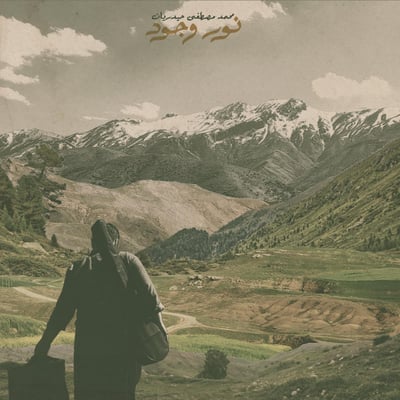
Mohammad Mostafa Heydarian Noor-e Vojood
Released Mar 7, 2025 Centripetal Force
Early read 2 professional reviews Updated Dec 10, 2025
Broadly positive consensus
Early read based on 2 professional reviews. Mohammad Mostafa Heydarian's Noor-e Vojood opens as a study in humility and lineage, a record where the Kurdish tanbur speaks with ritual patience and quiet authority.
How ChoruScore worksCritics' Top Tracks
The songs critics returned to most
Dar Tamannâye Eshgh
2 critic mentions
“particularly evident in the last couple of minutes of the piece Dar tamanaye eshgh” — The Quietus
Bârieh
2 critic mentions
“He incorporates some of the established maqams of tanbur music - such as bayeh bayeh and barieh” — The Quietus
Bâyeh Bâyeh
2 critic mentions
“He incorporates some of the established maqams of tanbur music - such as bayeh bayeh” — The Quietus
Full critic consensus
Mohammad Mostafa Heydarian's Noor-e Vojood opens as a study in humility and lineage, a record where the Kurdish tanbur speaks with ritual patience and quiet authority. Across professional reviews, critics point to the album's meditative pacing and reverent attention to traditional repertoire, arguing that its virtues lie less in virtuoso display than in tonal clarity and sustained narrative.
Critics consistently praised tracks that foreground the instrument's ancient eloquence. Reviewers across two professional reviews singled out “Dar Tamannâye Eshgh”, “Bârieh” and “Darâmad” as standout tracks, with “Bâyeh Bâyeh” also noted for its maqam-focused anchoring. The record earned an 80/100 consensus score across 2 professional reviews, with writers from Dusted Magazine and The Quietus celebrating the album's balance of hypnotic repetition and subtle invention. Common themes in the critiques include ethnomusicology, the tanbur repertoire, traditional instruments, mysticism, and the tension between tradition and contemporaneity.
While praise centers on restraint, tone and lineage, critics also emphasize that Heydarian's approach is intentionally modest - an emerging voice preferring narrative development over flamboyant technique. That nuance leaves Noor-e Vojood positioned as a thoughtful contribution to Kurdish tanbur practice and a promising waypoint in the artist's musical lineage, worth attention from listeners curious about the best songs on the record and what critics say about its blend of tradition and subtle modernity.
Track Ratings
How critics rated each track, relative to this album (0-100). Only tracks that made critics feel something are rated.
Darâmad
Sokoot e Hayâhoo
Nishtemân
Bâyeh Bâyeh
Dar Tamannâye Eshgh
Bârieh
Get the next albums worth your time.
Critic-backed picks in one clean digest. No clutter.
What Critics Are Saying
Deep insights from 2 critics who reviewed this album

Critic's Take
In this review the writer luxuriates in the textures of Noor-e Vojood, arguing that the album's best songs like “Darâmad” and “Bârieh” showcase the tanbur's ancient eloquence. The prose is attentive and reverent, noting how individual tracks unfold with ritual patience and tonal clarity. For listeners searching for the best tracks on Noor-e Vojood, the reviewer points to those pieces that foreground the instrument's lineage and meditative strength. The tone remains descriptive rather than sensational, rewarding close listening to the highlighted songs.
Key Points
-
The best song is favored for foregrounding the tanbur's ancient eloquence and meditative clarity.
-
The album's core strengths are its reverent attention to traditional instrumentation and sustained, ritual patience.
Themes

Critic's Take
In a quietly admiring tone Kamyar Salavati traces how Mohammad Mostafa Heydarian's Noor-e Vojood keeps mysticism intact while avoiding grandstanding. The review highlights the record's subtle balance between hypnotic repetition and gradual invention, singling out “Dar Tamannâye Eshgh” for its shor plucking flourish and the maqams like “Bâyeh Bâyeh” and “Bârieh” for anchoring the album's best tracks. Salavati's voice is measured and respectful, arguing that these best songs reveal a young player who favors narrative and restraint over display. The conclusion positions the album as modest but ripe with promise for listeners seeking the best tracks on Noor-e Vojood.
Key Points
-
The best song, particularly “Dar Tamannâye Eshgh”, is best because technique is used to serve narrative, not virtuosity.
-
The album's core strengths are its subtle balance of hypnotic repetition and modest, personal invention within tanbur maqams.