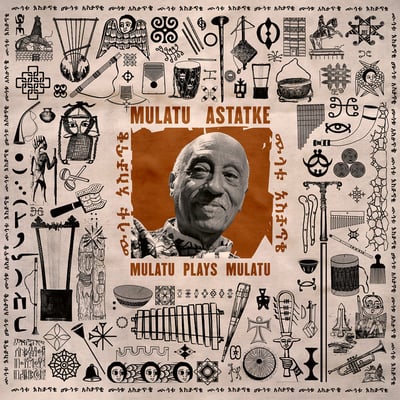
Mulatu Astatke Mulatu Plays Mulatu
Released Sep 26, 2025 Strut
Consensus forming 4 professional reviews Updated Feb 21, 2026
Broadly positive consensus
Consensus is still forming across 4 professional reviews. Mulatu Astatke's Mulatu Plays Mulatu arrives as a vivid, career-spanning statement that reframes familiar material with fresh arrangements and instrumental daring.
How ChoruScore worksCritics' Top Tracks
The songs critics returned to most
Chik Chikka
2 critic mentions
“Vocal ululations and syncopated handclaps on “Chik Chikka” evoke East African folk sounds with particular aural acuity,” — PopMatters
Zèlèsègna Dèwèl
3 critic mentions
“The cutting edge gleams from the start with “Zelesenga Dewel”, an opener that begins with fluid instrumental experimentation” — PopMatters
Nètsanèt
2 critic mentions
“On “Netsanet”, the voice of the bowed masenqo sings in nimble dialogue with sparkling piano.” — PopMatters
Full critic consensus
Mulatu Astatke's Mulatu Plays Mulatu arrives as a vivid, career-spanning statement that reframes familiar material with fresh arrangements and instrumental daring. Across professional reviews critics agree the record balances celebration and farewell, offering expansive takes that both honor and reinvent Mulatu's Ethio-jazz legacy while answering whether Mulatu Plays Mulatu merits attention: the consensus is emphatically positive.
Professional reviews, four in total, give the album an 80/100 consensus score across those reviews, with critics consistently praising widescreen reinventions of classics. Reviewers repeatedly point to “Zèlèsègna Dèwèl”, “Chik Chikka” and “Nètsanèt” as standout tracks, while “Yèkèrmo Sèw” and the title piece “Mulatu” receive frequent mention for extended improvisation and renewed textural detail. Critics note the prominent use of traditional Ethiopian instruments, hand percussion, and expanded arrangements that shift older material into richer, more expansive forms, giving the album both nostalgia and reinvention.
Views vary in tone but not in respect: PopMatters and Uncut celebrate inventive elongations such as the ten-minute “Zèlèsègna Dèwèl” and hypnotic percussion on “Chik Chikka”; AllMusic frames the record as a triumphant late-career peak; The Arts Desk cautions against reading the release as purely valedictory, insisting it reads as a rejoinder that proves ongoing vitality. The critical consensus suggests Mulatu Plays Mulatu is worth listening to for fans and newcomers alike, a reflective but forward-looking summation that secures Mulatu Astatke's place in the Ethio-jazz canon.
Track Ratings
How critics rated each track, relative to this album (0-100). Only tracks that made critics feel something are rated.
Zèlèsègna Dèwèl
Kulun
Nètsanèt
Yèkèrmo Sèw
Azmari
Chik Chikka
The Way To Nice
Motherland Intro
Motherland
Mulatu
Yèkatit
Get the next albums worth your time.
Critic-backed picks in one clean digest. No clutter.
What Critics Are Saying
Deep insights from 4 critics who reviewed this album

Critic's Take
There is a gleaming triumph at the heart of Mulatu Plays Mulatu, where Mulatu Astatke reframes his canon with daring scope and tenderness. The voice is admiring and meticulous, insisting that these best songs on Mulatu Plays Mulatu are not rehashes but expansive reinventions.
Key Points
-
The album's core strengths are its expansive rearrangements, integration of Ethiopian instruments, and reverent yet adventurous reimagining of Mulatu's legacy.
Themes
Th
Critic's Take
Mulatu Astatke's Mulatu Plays Mulatu feels less like a valedictory statement and more like a rejoinder, a record that insists - in voice and palette - that he remains very much active. In the same frank, slightly bemused tone the reviewer uses about the tour's farewell billing, the best songs are presented as confirmations rather than finales, the clear highlights that argue for Mulatu's ongoing relevance.
Key Points
-
The title track "Mulatu" functions as the best song because it embodies the album's insistence that the artist is still active.
-
The album's core strength is its ability to rebut farewell narratives and reaffirm Mulatu Astatke's ongoing creative vitality.
Themes

Critic's Take
Mulatu Astatke arrives at the end of a storied career with Mulatu Plays Mulatu, and the review leans into the record as a triumphant final statement rather than a retreat. The tone is reverent and celebratory, noting that at 81 he is "ending his career at a peak," which naturally spotlights the album's standout moments. For listeners searching for the best tracks on Mulatu Plays Mulatu the review frames the album as a whole-body highlight, implying that songs like “Mulatu” and “Motherland” carry special weight in this farewell. The voice is admiring, concise, and keen to present this as legacy-defining music rather than a greatest-hits compilation.
Key Points
-
The title track "Mulatu" functions as a namesake centerpiece, embodying the album's farewell grandeur.
-
The album's core strength is its sense of culmination: an admired artist concluding his career at an artistic peak.
Themes

Critic's Take
Overall, it reads as a reverent, inventive summation of a career rather than a mere nostalgia trip.
Key Points
-
The best song work comes from reimagined classics like "Chik Chikka" where new takes outshine prior versions.
-
The album’s strengths are its widescreen reworkings, clear production that spotlights traditional Ethiopian instruments, and sustained swing and funk grooves.