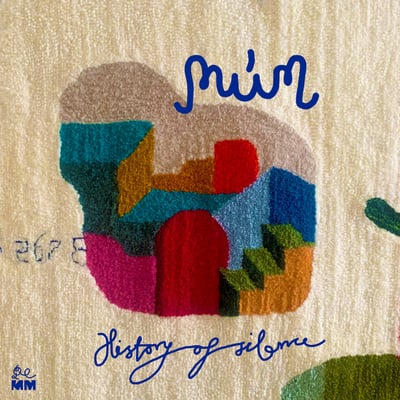
múm History of Silence
Released Sep 19, 2025 Morr Music
Established consensus 6 professional reviews Updated Aug 27, 2026
Mostly positive consensus
múm's History of Silence arrives as a cautious, quietly triumphant return that frames silence as an instrument and vocal interplay as its heartbeat.
How ChoruScore worksCritics' Top Tracks
The songs critics returned to most
Miss You Dance
1 critic mention
“Miss You Dance” reintroduces the group after more than a decade of absence” — PopMatters
Kill the Light
1 critic mention
“The piano-and-bass-led “Kill the Light” likewise threatens to disappear, gossamer and spare” — PopMatters
Mild at Heart
1 critic mention
“History of Silence impresses as a strange and beguiling sonic world unto itself” — PopMatters
Full critic consensus
múm's History of Silence arrives as a cautious, quietly triumphant return that frames silence as an instrument and vocal interplay as its heartbeat. Across professional reviews the record earned a 70.17/100 consensus score from six reviews, and critics consistently point to duets and delicate harmonies as the album's emotional core.
Reviewers praise the contrast between sparse passages and sudden, lush washes of sound, with “Miss You Dance” singled out for its weighty vocal duet and “Kill the Light” and “Mild at Heart” noted for how near-silences amplify bracing melodic moments. The production leans on piano-led percussion and string flourishes that make quiet sections feel expansive rather than vacant, and “I Like to Shake” is frequently mentioned as a purposeful, consummate closer that ties the album's approaches together. Critics frame many of the best songs on History of Silence as deliberate experiments in atmosphere rather than mere nostalgia.
While the overall reception is favorable rather than unanimous acclaim, the critical consensus suggests History of Silence is worth listening to for those drawn to fragile vocal harmonies and textural contrasts. The collection stakes a modest but convincing claim in múm's catalog, marked by returns to familiar motifs reframed through restraint and careful arrangement; below, the full reviews unpack where the record succeeds and where its quiet ambitions risk fading into understatement.
Track Ratings
How critics rated each track, relative to this album (0-100). Only tracks that made critics feel something are rated.
Miss You Dance
Kill the Light
Mild at Heart
Avignon
Only Songbirds Have a Sweet Tooth
Our Love is Distorting
A Dry Heart Needs no Winding
I Like to Shake
Get the next albums worth your time.
Critic-backed picks in one clean digest. No clutter.
What Critics Are Saying
Deep insights from 6 critics who reviewed this album

Critic's Take
múm return on History of Silence feels like a revelation, and the best songs demonstrate that shift: “Miss You Dance” reintroduces them with weight and a lovely vocal duet, while “Kill the Light” and “Mild at Heart” show how silence and sudden bracing moments redefine their sound. Britt writes in keen, appreciative sentences that balance analytical detail and affection, so the best tracks on History of Silence read as purposeful experiments rather than nostalgia. The album’s use of near-silences, piano-led percussion, and string flourishes makes these standout songs feel both intimate and expansive. Overall, the record rewards repeated listens, with “I Like to Shake” sealing the case as a consummate closer tying the album’s approaches together.
Key Points
-
“Miss You Dance” is best for reintroducing múm with weight, dynamics, and a lovely vocal duet.
-
The album’s core strengths are its use of silence, sparse-to-lush arrangements, and inventive vocal and string textures.
Themes
mu

Sp

