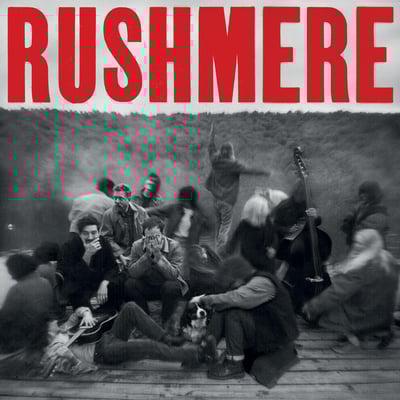
Mumford & Sons Rushmere
Released Mar 28, 2025 Glassnote Entertainment Group LLC
Established consensus 6 professional reviews Updated Oct 2, 2026
Mostly positive consensus
Mumford & Sons's Rushmere returns the group to a back-to-basics folk palette, trading recent experiments for banjo-led anthems, hushed confessionals and stadium-sized choruses that aim squarely for emotional honesty.
How ChoruScore worksCritics' Top Tracks
The songs critics returned to most
Monochrome
3 critic mentions
“Monochrome’ is a whimsical, romantic lullaby that sounds a bit like Rubber Soul-era Beatles” — Clash Music
Malibu
2 critic mentions
“Opener, and previous single, ‘Malibu’ features the lyrics “You are all I want / You’re all I need” — Clash Music
Caroline
2 critic mentions
“They canter on from there into the exhilarating "Caroline" which nods to Fleetwood Mac” — The Independent (UK)
Full critic consensus
Mumford & Sons's Rushmere returns the group to a back-to-basics folk palette, trading recent experiments for banjo-led anthems, hushed confessionals and stadium-sized choruses that aim squarely for emotional honesty. Across six professional reviews the collection earned a 65/100 consensus score, a record that critics describe as earnest and familiar even when its ambitions feel uneven.
Critics consistently praise moments of rooted songwriting and vulnerability, with “Monochrome”, “Rushmere” and “Malibu” repeatedly named among the best songs on Rushmere. Reviewers highlight the record's themes of redemption, love and loss, noting how tracks such as “Caroline” and “Truth” mix country and blues inflections with religious imagery and storytelling to create both intimate finger-picked passages and arena-ready singalongs. Several critics applaud Marcus Mumford's aching sincerity and the band's return to folk tradition as a productive revival of their earlier sound.
That consensus is not unanimous. Some reviewers find the lyricism veering toward self-pity and the pacing lopsided, singling out slower numbers like “Anchor” as evidence of the album's reticence to fully reinvent itself. Others argue the record's combination of confession and stillness with rousing choruses makes it a moving, if not revolutionary, entry in the band's catalogue. Ultimately, the critical reception suggests Rushmere will satisfy listeners who prize rootsy Americana, storytelling and emotional directness, while leaving those seeking bold reinvention wanting more.
Below follow the full professional reviews and a track-by-track breakdown to help decide whether Rushmere is worth listening to now.
Track Ratings
How critics rated each track, relative to this album (0-100). Only tracks that made critics feel something are rated.
Malibu
Caroline
Rushmere
Monochrome
Truth
Where It Belongs
Anchor
Surrender
Blood On The Page
Carry On
Get the next albums worth your time.
Critic-backed picks in one clean digest. No clutter.
What Critics Are Saying
Deep insights from 7 critics who reviewed this album


Critic's Take
Mumford & Sons sound enveloping and tender on Rushmere, where the best tracks - notably “Rushmere” and “Caroline” - balance vulnerability with stirring, foot-stomping choruses. The title track feels like a jubilant centerpiece, heir to the band’s anthemic past, while “Caroline” folds Fleetwood Mac echoes into intimate lyricism. Even quieter moments like “Monochrome” and “Surrender” carry the album’s cohesive warmth, turning confessional lines into genuine emotional payoff. Overall, the best songs on Rushmere are those that marry honest lyricism with familiar, uplifting arrangements, and it’s that marriage that makes the album compelling.
Key Points
-
The title track “Rushmere” is the best song because it is jubilant, folk-forward, and functions as the album's emotional centerpiece.
-
The album’s core strengths are cohesive, confessional songwriting, emotional vulnerability, and uplifting, anthemic arrangements.
Themes
Ho
Critic's Take
Mumford & Sons return to the band's origins on Rushmere, and the record's best tracks are its most rooted moments. The reviewer's voice lingers on “Monochrome” as a stand-out, praising three minutes of finger-picked majesty and soul-stirring vocals. Equally, “Where It Belongs” and “Anchor” are noted as stirring pieces that reinforce the album's warm strumming and anthemic choruses. The LP feels like a new dawn that still honors familiar folk motifs, which is why listeners asking for the best songs on Rushmere should start with those tracks.
Key Points
-
The best song is “Monochrome” for its finger-picked majesty and soul-stirring vocals.
-
The album's core strengths are its return-to-roots folk instrumentation, warm strumming, and anthemic choruses.
Themes


Critic's Take
In this review Helen Brown hears Mumford & Sons returning to the comforts of their old template on Rushmere, songs that swell from campfire intimacy to arena-sized catharsis. She singles out “Malibu” and “Truth” as emblematic - the opener builds from hushed doubt to banjo-gilded declarations, while “Truth” snarls with a ragged blues riff and raw vocals. Slower pieces such as “Anchor” and “Monochrome” temper the record with delicate finger-picked and piano-sprinkled moments. The result, Brown suggests, is not revolutionary but a solid, comforting addition to the band’s earthy oeuvre, full of singalong-ready grandeur and frank confession.
Key Points
-
The best song, "Truth", stands out for its ragged blues riff and raw, fire-summoning vocals that break through the band’s comfort zone.
-
Rushmere’s core strengths are its rootsy Americana production, emotional confession, and the familiar swell from intimate strumming to stadium-sized singalongs.
Themes
Th
Critic's Take
In his clipped, caustic voice Phil Mongredien argues that Mumford & Sons's Rushmere returns to grating folk hoedowns and insipid balladry rather than anything adventurous. He singles out “Anchor” for its mewling self-pity - "I can't say I'm sorry if I'm always on the run" - while noting the uptempo recall of “Surrender” and “Carry On” as rare, welcome relief. The review plainly answers the question of the best tracks on Rushmere by elevating those quicker, Babel-like songs as the album's high points, even as he finds the record mostly miserable and retrograde.
Key Points
-
The best songs are the uptempo, Babel-recalling tracks like "Surrender" and "Carry On" because they provide relief from the album's prevailing misery.
-
The album's core strengths are its occasional energetic, familiar folk arrangements, but these are outweighed by self-pitying lyrics and retrograde choices.
Themes

Critic's Take
Mumford & Sons’s Rushmere reads like a masterclass in intimacy and momentum, where the quieter confessionals and the banjo-fueled anthems each stake a claim as the best tracks on Rushmere. The reviewer's tone lingers on the soul-stirring ballads and the upbeat country-infused songs, singling out the album’s standout songwriting and Marcus Mumford’s aching sincerity as reasons why tracks like “Malibu” and “Rushmere” land hardest. It feels both deeply personal and universally moving, making the best songs on Rushmere feel like small revelations amid roaring choruses. Above all, the record is praised as a statement - moving, powerful, and unmistakably Mumford & Sons.
Key Points
-
The best song feels like the most soul-stirring ballad, showcasing Marcus Mumford’s aching sincerity and the album’s emotional core.
-
The album’s core strengths are its storytelling, balance between confessionals and anthems, and consistently memorable songwriting.