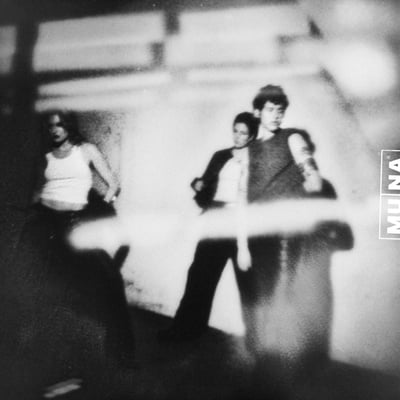
MUNA Dancing On The Wall
Released May 8, 2026 Saddest Factory
Established consensus 8 professional reviews Updated Oct 1, 2026
Mostly positive consensus
MUNA's Dancing On The Wall arrives as a high-gloss, dancefloor-minded statement that channels queer desire, club fury and 1980s synthpop into songs built for both catharsis and confrontation.
How ChoruScore worksCritics' Top Tracks
The songs critics returned to most
So What
5 critic mentions
“The deliciously delusional ‘So What’ does its best to conceal its heartbreak behind free drinks at bougie parties” — New Musical Express (NME)
Dancing On The Wall
2 critic mentions
“This feeling bleeds into the titular second track ‘Dancing On The Wall,’ bound and energised by its electro-pop synth beats.” — Clash Music
It Gets So Hot
6 critic mentions
“while ‘It Gets So Hot’ initially feels like it centres on all-consuming lust, the heat of Los Angeles is claustrophobic, humid and oppressive” — New Musical Express (NME)
Full critic consensus
MUNA's Dancing On The Wall arrives as a high-gloss, dancefloor-minded statement that channels queer desire, club fury and 1980s synthpop into songs built for both catharsis and confrontation. Across eight professional reviews the record earned a 71/100 consensus score, and critics repeatedly point to a handful of tracks that crystallize its strengths and limits: “So What”, “It Gets So Hot” and the title track “Dancing On The Wall” emerge as the clearest standouts in the collection.
Reviewers consistently praise the album's kinetic production and live-ready energy, noting New Wave and disco-noir influences that push songs toward euphoric release and political edge. Many critics highlight how “So What” and “It Gets So Hot” balance concealed heartbreak with propulsive hooks, while “Dancing On The Wall” translates frustration into an irresistible, 80s-tinged pop gloss. At the same time several professional reviews flag moments of surface-level lyricism and maximalist production that blunt distinct emotional moments, creating a recurring critique that the record sometimes favors sheen over sustained depth.
The consensus suggests Dancing On The Wall is a spirited, occasionally uneven return for the band: its best songs deliver queer euphoria, righteous anger and club-ready anthems, while other tracks skirt repetition. For readers wondering whether the album is worth listening to, critics agree there are essential moments and live-show power here, even if the full set falls short of being uniformly memorable. Below, detailed reviews unpack where the record hits and where it skims the surface of the trio's ambitions.
Track Ratings
How critics rated each track, relative to this album (0-100). Only tracks that made critics feel something are rated.
It Gets So Hot
Dancing On The Wall
Eastside Girls
Wannabeher
On Call
So What
Party's Over
Big Stick
Mary Jane
Girl's Girl
...Unless
Why Do I Get A Good Feeling
Buzzkiller
Get the next albums worth your time.
Critic-backed picks in one clean digest. No clutter.
What Critics Are Saying
Deep insights from 14 critics who reviewed this album

Critic's Take
MUNA return with Dancing On The Wall, a record that wears its pop ambitions proudly and lands them with giddy precision. Zara’s prose lingers on the album’s best songs, especially “It Gets So Hot” and “Dancing On The Wall”, which she describes as sunlit, sticky and irresistibly melodic. She praises the boldness of “So What” as the album’s emotional wake-up call, and notes how closer “Buzzkiller” ties the themes of desire and chaos together in a fitting, cloudy finale. The review reads as an unabashed celebration of MUNA’s craft, admiring their knack for storytelling and synth-forward production while keeping a clear-eyed sense of emotional stakes.
Key Points
-
The best song is the opener 'It Gets So Hot' because it bathes the album in hedonistic heat and immediately unfurls desire.
-
The album’s core strengths are its synth-forward production, cohesive themes of desire and intimacy, and strong vocal storytelling.
Themes

Critic's Take
MUNA make clear on Dancing On The Wall that the best songs - notably “So What” and “Big Stick” - marry euphoric dance-pop with righteous fury in the reviewer’s exact register. Ben Tipple’s voice picks out the anthemic, rousing charge of “So What” and the punk protest thrust of “Big Stick” as centerpiece moments, framing them as both celebratory and aware. He balances admiration for their pop-first experimentation with notes of anger and caution, describing the album as a bridge back to darker moods while retaining MUNA’s signature vibrancy. This assessment naturally answers which are the best tracks on Dancing On The Wall by highlighting those buoyant and thunderous moments the review repeatedly praises.
Key Points
-
The best song is “So What” because it is described as brilliantly rousing and affirming, encapsulating the album's warmth and uplift.
-
The album’s core strengths are its blend of euphoric pop and punk-inflected socio-political urgency, plus confident genre experimentation.
Themes
No
Critic's Take
MUNA's Dancing On The Wall is buoyant and momentous, and the best songs on Dancing On The Wall show why the band still believes in pop. The title track “Dancing On The Wall” kicks off with pulsing synths and one of their stickiest melodies, setting the ecstatic tone that carries through. “Eastside Girls” is a tour-de-force tribute to what makes them tick, delivered with giddy cataloguing that never feels corny. For punch and grit, “Wannabeher” and “It Gets So Hot” underline the album's sweaty, horny urgency while “Big Stick” supplies the most overt political bite, so these are among the best tracks here.
Key Points
-
The title track is the best opener, delivering pulsing synths and one of the album's stickiest melodies.
-
The album's core strengths are sharp pop melodies, a clear point of view, and a playful yet serious spirit that marries queer desire with political urgency.
Themes

Critic's Take
MUNA sounds both brazen and beleaguered on Dancing On The Wall, where propulsive singles like “It Gets So Hot” open with stormy promise but falter in their endings, and “So What” delivers the record's clearest catharsis. Sam Rosenberg's ear for the band's trademark exuberance keeps surfacing - the hooks are bigger, the production louder, and moments such as “On Call” and “Girl's Girl” offer relief through stirring choruses and slick guitar licks. Yet the reviewer's impatience with clumsy bridges and blunt political messaging colors the verdict, making the album feel uneven even when its highs are vivid and memorable.
Key Points
-
The best song is "So What" because it successfully marries experimental production with genuine emotional catharsis.
-
The album’s core strength is larger-than-life hooks and bold production, but uneven songwriting and blunt messaging undercut some highs.
Themes

Critic's Take
MUNA’s Dancing On The Wall mainly lives in the packed club rather than the bedroom, and its best songs prove it. The opener “It Gets So Hot” immediately transports you to a downtown Saturday night, its manufactured beat pulsing like club lights before collapsing into an abstract wash. “Wannabeher” is sleazy, urgent and queerly specific, a modern take on riotous desire, while the closer “Buzzkiller” is where Gavin finally lets words breathe and the record’s stakes become painfully clear. For listeners searching for the best tracks on Dancing On The Wall, those three encapsulate the album’s strengths: visceral pop energy, frank sapphic longing and a sobering, communal coda.
Key Points
-
The best song is the opener "It Gets So Hot" because it immediately transports the listener and demonstrates adventurous production.
-
The album’s core strengths are visceral dancefloor energy, candid queer longing, and a final track that broadens into political urgency.
Themes

Critic's Take
MUNA’s Dancing On The Wall keeps trafficking in that intoxicating mix of euphoria and menace the band do so well, and the review makes clear the best tracks are those that hide heartbreak beneath glossy hooks - notably “It Gets So Hot” and “So What”. The voice throughout is sharp and occasionally furious, especially when songs like “Big Stick” pivot into overt political fury, which is why the album’s best tracks feel both immediate and uneasy. There is particular praise for how “Mary Jane” and “So What” veil wreckage in upbeat production, making them among the best songs on Dancing On The Wall. The record’s strengths lie in that tension, where pop sheen and blunt lyricism meet to make the standout moments sting harder.
Key Points
-
The best song moments hide heartbreak beneath glossy pop, with “So What” exemplifying that tension.
-
The album’s core strength is its blend of saturated ’80s synthpop sheen and blunt, occasionally political lyricism.
Themes

Critic's Take
MUNA lean into party-ready grooves on Dancing On The Wall, but the record often favors style over substance, with only a few tracks rising above the blur. The protest energy of “Big Stick” feels promising and earns notice for confronting capitalism and brutality, yet the album drifts back into club territory too quickly. Overall, the best tracks on Dancing On The Wall are the ones that briefly break the glossy pattern - they show what the band might do with more focus.
Key Points
-
“Girl's Girl” is the best song because Katie Gavin's vocal range and the track's sassy camp elevate it above the album's sameness.
-
The album's core strength is its danceable, nostalgic production that suits summer and Pride playlists despite shallow lyricism.
Themes
Fa
Critic's Take
MUNA feel like they have returned to the same well rather than discovered a new one on Dancing On The Wall. Lucy Harbron’s tone is wry and slightly disappointed, noting the album is polished and big yet ultimately one-note, with only “Buzzkiller” singled out as a true standout. The review argues that while the songs are danceable and laden with hooks, none carve out the kind of distinct moment the band once delivered. For listeners searching for the best songs on Dancing On The Wall, “Buzzkiller” is framed as the primary highlight amidst a uniformly bright but stagnant set.
Key Points
-
The reviewer names "Buzzkiller" the standout because it provides the album’s only clearly distinguished moment.
-
The album’s core strength is polished, danceable production, but it lacks dynamic contrast and progression.
Themes

Critic's Take
In this Rolling Stone conversation Muna present MUNA's Dancing On The Wall as a record built for live fury and catharsis, where the best songs - notably "Why Do I Get a Good Feeling" and "Buzzkiller" - translate personal growth and queer rage into high-energy synth-pop. The reviewer conveys excitement about the album's stage-ready BPMs and New Wave influences, arguing these tracks crystallize the record's intent to make dancefloor release feel politically charged. The voice remains conversational and candid, celebrating the moments that will be most unforgettable on the Gets So Hot tour.
Key Points
-
The best song, "Why Do I Get A Good Feeling", stands out for its adventurous arrangement and as evidence of creative growth.
-
The album's core strengths are its live-minded, high-BPM synth-pop energy and its fusion of queer rage with celebratory dance music.
Themes

Critic's Take
In her measured, analytical voice Marissa Lorusso finds the best songs on Dancing On The Wall in moments that mix lust and critique, notably “Mary Jane” and “Big Stick”. She frames the album as darker and more anxious than MUNA's earlier work, praising how “Mary Jane” mourns a distracted lover while “Big Stick” turns pop into a political provocation. The result is an album whose best tracks balance pleasure and critique, making them the standout songs on Dancing On The Wall without losing the band's queer communal heartbeat.
Key Points
-
The best song is "Mary Jane" for its anxious basslines and candid mourning of a distracted lover.
-
The album's core strengths are its blend of queer communal pleasure with darker, inward-looking lyricism and occasional political bite.
Themes

Critic's Take
The Guardian’s short appraisal keeps a cool, slightly rueful tone: Lykke Li returns on The Afterparty with a streak of tear-stained indie pop. The review reads like a knowing aside that points listeners toward those in-tracklist songs as the clearest returns. It balances praise and melancholy without overstating the case.
Key Points
-
— The album’s core strength is its consistent melancholy and noir-tinged pop that lets darker songs land emotionally.
Themes
Ho
Critic's Take
MUNA arrive on Dancing on the Wall with a hopeful, intimate tone that keeps returning to connection and love. The review highlights the band’s continued search for meaning and the invitation to "step outside the algorithm and into the richness of our lives", making tracks like “Dancing On The Wall” and “It Gets So Hot” feel like emotional touchstones. Percival writes plainly and warmly, naming the album as a present-day statement of how the trio still fall in and out of love.
Key Points
-
The title track best encapsulates the album’s themes of love and connection.
-
The album’s core strength is its intimate lyrical focus on relationships and modern life.
Themes

Critic's Take
MUNA channel a tighter, edgier sound on Dancing On The Wall, and the best songs show that shift vividly. The opener “It Gets So Hot” plants us in a suffocating Los Angeles with a pulsing, almost panicked beat. Standouts like “Eastside Girls” - which the reviewer names explicitly as a top pick - and “Big Stick” mix clever, queered references and a snarling critique of American excess, making them the best tracks on Dancing On The Wall. Elsewhere, “So What” sneaks into the best-songs conversation as a delightful, swaggering take on concealed heartbreak.
Key Points
-
Eastside Girls is best for bridging MUNA’s past and present with a standout, reference-packed bridge.
-
The album’s core strengths are tightened production, edgy moods, and incisive social critique.
Themes

Critic's Take
MUNA return with Dancing On The Wall, and the review pivots around the buoyant title track as the album’s calling card. The writeup leans into the song’s ’80s-influenced dance-pop sheen and Katie Gavin’s crystal-clear lead vocals, making “Dancing On The Wall” one of the best songs on Dancing On The Wall. The reviewer highlights how the track turns frustration and self-sabotage into a euphoric, empowering pop moment, which makes it a standout among the announced tracks. The piece reads as excited and celebratory about the band’s return, signaling the title track as the primary best track pick.
Key Points
-
The title track “Dancing On The Wall” is the best song for its ’80s dance-pop energy and emotional uplift.
-
The album’s core strengths are polished vocal harmonies, nostalgic dance-pop production, and emotionally driven songwriting.