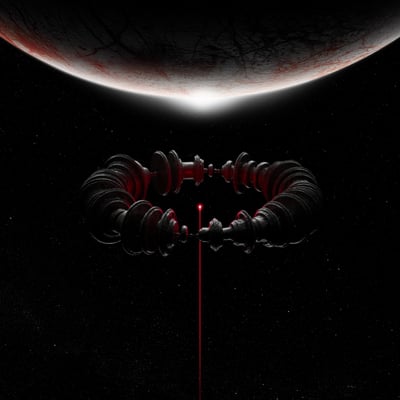
Muse The Wow! Signal
Released Jun 26, 2026 Warner Records
Established consensus 7 professional reviews Updated Oct 1, 2026
Mostly positive consensus
Muse's The Wow!
How ChoruScore worksCritics' Top Tracks
The songs critics returned to most
Hexagons
3 critic mentions
“See ‘Hexagons’ for example, a song that’s drum beats would take centre stage if it wasn't for the riffs on display.” — Far Out Magazine
Space Debris
3 critic mentions
“Ludicrous but great fun, it’s a gravity-defying sound only Muse can make.” — Irish Times
The Dark Forest
7 critic mentions
“Take opener The Dark Forest, a retro-futuristic Bond theme bursting with grand orchestral flourishes” — Kerrang!
Full critic consensus
Muse's The Wow! Signal launches as a widescreen, sci-fi-packed spectacle that critics say mostly lands as a thrilling, if occasionally overblown, return to the band's grander instincts. Across seven professional reviews the record earned a 70/100 consensus score, with reviewers repeatedly pointing to a handful of standout songs that crystallize the album's strengths and frustrations.
Critics consistently praise “The Dark Forest” as the record's centrepiece - a prog-metal, retro-futurist epic with orchestral choirs and cinematic ambition - while “Cryogen”, “Hexagons” and “Space Debris” recur as the best songs on the album for their muscular riffs, emotional heft and closing grandeur. Several reviews single out “Nightshift Superstar” and “Shimmering Scars” for inventive hooks and dance-pop flirtations, even as some writers fault nervy vocal choices or syrupy production. Across professional reviews critics note themes of romantic turbulence, existential dread and playful self-parody - theatricality and bombastic production are embraced by some and read as excess by others.
The critical consensus therefore reads as mixed-to-favourable: Muse are being praised for fearlessness, memorable choruses and moments of genuine reinvention, but ambivalence remains about ambition versus refinement. For readers asking whether The Wow! Signal is worth hearing, the consensus score and repeated praise for tracks such as “The Dark Forest”, “Cryogen” and “Hexagons” suggest the album is a must-listen for fans of maximalist, sci-fi-tinged rock and for those seeking the best songs on The Wow! Signal to sample first.
Track Ratings
How critics rated each track, relative to this album (0-100). Only tracks that made critics feel something are rated.
The Dark Forest
Nightshift Superstar
Shimmering Scars
Cryogen
Be With You
Hexagons
The Sickness In You & I
Unravelling
Hush
Space Debris
Get the next albums worth your time.
Critic-backed picks in one clean digest. No clutter.
What Critics Are Saying
Deep insights from 8 critics who reviewed this album
Cl
Critic's Take
Muse deliver a widescreen sci-fi spectacle on The Wow! Signal, and the best songs on the album prove it. “The Dark Forest” opens as a baroque'n'roll disco-metal epic that feels like a modern Bohemian Rhapsody, while “Nightshift Superstar” is a falsetto, Daft Punk-meets-Hall & Oates disco earworm. For sheer emotional pull, “Be With You” and “Space Debris” stand out as majestic heartbreak pieces, the former an electro-gospel anthem and the latter a tender orchestral closer. This is Muse at their sharpest, focused and stacked with killer tunes rather than bloat.
Key Points
-
The Dark Forest is the standout for its ambitious, operatic scope and dramatic fusion of orchestral and electro-metal elements.
-
The album balances grand sci-fi spectacle with melodic pop hooks and intimate heartbreak, showing Muse focused and energized.
Themes
Ir
Critic's Take
Muse have never been shy of spectacle, and on The Wow! Signal they lean into that maximalism with glee, making the best songs feel like interstellar anthems rather than apologies. From the prog-stomper “The Dark Forest” to the sci-fi disco of “Nightshift Superstar” and the headbanging blast of “Cryogen”, the album’s highlights wear their silliness proudly and sound all the better for it. There is wit in the grandeur - Bellamy’s falsetto and the band’s brazen arrangements make these best tracks feel like purpose-built thrill machines. The closer “Space Debris” crowns the record, a ludicrous but great fun power ballad that sums up why the best songs on The Wow! Signal work: they commit fully to spectacle and simple catharsis.
Key Points
-
The Dark Forest is best for its prog stomp and clear science-fiction maximalism.
-
The album’s core strength is fearless, over-the-top spectacle that commits to grandiose sci-fi pop.
Themes

Critic's Take
Muse have made an album that revels in its own excess, and on The Wow! Signal the best tracks - “The Dark Forest” and “Shimmering Scars” - show why that works. Petridis luxuriates in the theatricality of “The Dark Forest”, where chanting choirs, prog-metal arpeggios and a cantering electronic bassline conspire to make Bellamy sound deliciously overwrought. He also notes that if you stripped away the sonic folderol, “Shimmering Scars” would stand as a great pop piano ballad, which is faint praise as it ends up being stronger for all its ornamentation. The review reads as affectionate and bemused: Muse’s melodrama still yields memorable choruses, even when the organ playing and synthed operatics threaten to overwhelm the songs.
Key Points
-
The Dark Forest is the album's most arresting flourish, marrying choir, bass and prog-metal theatrics into a singular opener.
-
The Wow! Signal's core strength is strong melodic songwriting that survives and often benefits from lavish, camp arrangements.
Themes

Critic's Take
Nick Ruskell hears Muse pushing into widescreen sci-fi grandeur on The Wow! Signal, and the best tracks — notably “The Dark Forest” — show them relishing that excess. Ruskell praises the opener as a retro-futuristic, Bond-like blast with orchestral flourishes and arpeggiated synthesisers, the sort of supermassive song that makes the album sing. The reviewer frames these moments as fun and occasionally ridiculous, but thrillingly so, which is why questions about the best songs on The Wow! Signal land on the big, cinematic numbers. This is Muse at high intensity, trading the dystopia of the past for something more vast and fantastical.
Key Points
-
The Dark Forest is the album's best song because it combines retro-futuristic flair, orchestral heft, and a sense of joyful excess.
-
The album's core strengths are widescreen sci-fi ambition, grand orchestral production, and a renewed appetite for spectacle.
Themes

Critic's Take
Muse sound like they have rediscovered something essential on The Wow! Signal, a record that reaches back to earlier triumphs while still pushing forward. The review points to standout tracks like “Hexagons” and “Hush” as the album's emotional and sonic high points, with “Cryogen” and opener “The Dark Forest” supplying blockbuster heft. There is praise for the band’s renewed focus and the way these best tracks on The Wow! Signal balance epic ambition with intimate feeling. The tone remains encomiastic but measured, recommending the album as Muse's most consistent and satisfying work in years.
Key Points
-
The album’s core strength is a regained focus that blends epic, human songwriting with stadium-ready production.
Themes

Critic's Take
Muse's The Wow! Signal feels like an exercise in excess, but the review consistently lifts out a few best songs. The review names “Nightshift Superstar” as a highlight for its slinky electro-funk and Chris Wolstenholme's spritely fuzz bass, and praises “Cryogen” as one of the best for its monstrous, direct riffing. Ellie Goulding's contribution on “Hush” is noted as adding a welcome, icy texture against a pummelling guitar riff, making these the best tracks on The Wow! Signal by the reviewer’s reckoning.
Key Points
-
The reviewer calls “Cryogen” one of the best tracks for its monstrous, direct riff and trio power.
-
The album's strengths are slick production and maximalist, theatrical grandeur, though the reviewer finds it ultimately empty.
Themes
Fa
Critic's Take
Muse sound as brazenly bombastic as ever on The Wow! Signal, but the best tracks only underline the album’s contradictions. “Nightshift Superstar” serves as the standout with a brilliant bass line and sumptuous groove before being undone by a terrible vocal hook, while “Hexagons” and “Hush” show faultless playing and demonic riffs that hint at what refinement might achieve. The record’s ambition is unmistakable, yet ambition without restraint leaves many of the best tracks feeling stuck in the mud, which is why listeners searching for the best songs on The Wow! Signal will likely land on those three as the clearest moments of payoff. Overall, the album reads like a band doubling down on excess when what it needs is subtlety.
Key Points
-
‘Nightshift Superstar’ is best for its bass-driven groove despite flawed vocals.
-
The album’s core strength is faultless playing and bold ambition, undermined by chaotic arrangements and excess.
Themes

Critic's Take
In his usual caustic, jokey prose JR Moores savages Muse and their The Wow! Signal for trading on familiar, overblown tropes rather than saying anything new. He singles out “The Dark Forest” as emblematic of their self-parody, skewers the sleazy Daft Punk pastiche of “Nightshift Superstar”, and admits the biggest choruses arrive on “Shimmering Scars” while still feeling jukebox-ready rather than revelatory. The result answers searches for the best songs on The Wow! Signal by naming those moments as the album’s most immediately grabbing, even as he finds them symptomatic of an exhausted band. Moores writes with relish and contempt in equal measure, turning the track-by-track format into a demolition job and making clear which tracks stick out and why.
Key Points
-
JR Moores deems "Shimmering Scars" the most immediately satisfying for its soaring, dance-ready choruses.
-
The album’s core strength is big, arena-sized hooks and production, but it is undermined by tired tropes and overblown presentation.