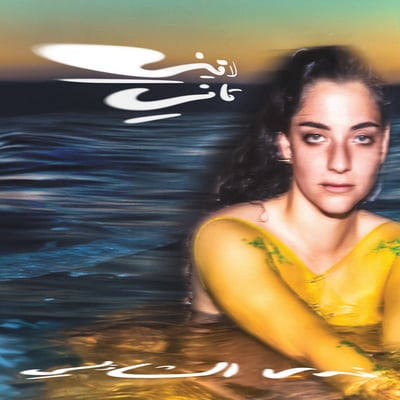
Nadah El Shazly Laini Tani
Released Jun 6, 2025 One Little Independent
Consensus forming 4 professional reviews Updated Nov 29, 2025
Broadly positive consensus
Consensus is still forming across 4 professional reviews. Nadah El Shazly's Laini Tani maps a cinematic, ritual-inflected terrain where Arabic motifs collide with experimental electronics and textured production, and critics largely agree the record rewards patient listening.
How ChoruScore worksCritics' Top Tracks
The songs critics returned to most
Enti Fi Neama
4 critic mentions
“the former is an almost industrial instrumental that, as it progresses, coalesces into a rhythm which is as unique as El Shazly’s hometown of Cairo.” — Louder Than War
Ghorzetein
3 critic mentions
“Lead single, and album closer, Ghorzetein (Two Stitches) is a song of love and heartbreak twice over.” — Louder Than War
Kaabi Aali
2 critic mentions
“Kaaba Aali ... with its electronic riff and percussion beats is a perfect synthesis of (cue internal screaming) East and West.” — Louder Than War
Full critic consensus
Nadah El Shazly's Laini Tani maps a cinematic, ritual-inflected terrain where Arabic motifs collide with experimental electronics and textured production, and critics largely agree the record rewards patient listening. Across four professional reviews the album earned a 79/100 consensus score, with reviewers repeatedly pointing to moments where traditional maqam-rooted harp and bold synth design align to dramatic effect.
Reviewers consistently praise standout tracks as proof of the record's ambitions: “Enti Fi Neama” emerges as the album's centrepiece, its bass wobble and abstract electronics framed as the thesis; “Banit” is frequently cited for cinematic propulsion and widescreen drama; “Dafaa Robaai” and “Ghorzetein” are noted for their earworm motifs and nocturnal climax respectively. Critics highlight themes of love and heartbreak, ritual and healing, and a gradual revelation in pacing, with many admiring the East-West fusion and vocal experimentation that make the best songs feel both rooted and otherworldly.
That said, perspectives are mixed on pacing and consistency. Some reviewers celebrate the album's textural soundscapes and homeward interiority as forward-looking, while others find the opening stretches plodding and the flow uneven before the record hits its stride around “Enti Fi Neama” and onward. The critical consensus suggests Laini Tani is a rewarding, if occasionally uneven, exploration of tradition versus innovation, and a compelling next chapter in Nadah El Shazly's evolving practice — a collection worth sampling further in full to appreciate its ritualic crescendos and experimental rewards.
Track Ratings
How critics rated each track, relative to this album (0-100). Only tracks that made critics feel something are rated.
Elnadaha
Kaabi Aali
Banit
Eid
Enti Fi Neama
Dafaa Robaai
Labkha
Laini Tani
Ghorzetein
Get the next albums worth your time.
Critic-backed picks in one clean digest. No clutter.
What Critics Are Saying
Deep insights from 4 critics who reviewed this album
Re
Critic's Take
Nadah El Shazly fashions a vast, filmic universe on Laini Tani, and the best songs - especially “Banit” and “Enti Fi Neama” - crystallize that vision. Equally telling is “Enti Fi Neama”, described as the album's thesis, a traditional Middle Eastern sound refracted through robotic chirps. Across the record the contrasts between acoustic harp and abrasive synths make those standout tracks feel both rooted and otherworldly.
Key Points
-
“Banit” is the best song because it unveils the album's widescreen, hypnotic fusion of rhythms and deep bass.
-
The album's core strength is its cinematic fusion of classical Egyptian, industrial and dream-pop textures, yielding a surreal, moody universe.
Themes

Critic's Take
Nadah El Shazly's Laini Tani rewards patience, and the review points clearly to the best songs as proof. The critic places “Enti Fi Neama” as the album's centrepiece, a track that hits hardest with bass wobble, abstract electronics and Arabic melody. “Banit” is flagged as cinematic and propulsive, while “Dafaa Robaai” is noted as the poppiest and most abstract - its bass drops and chiming motifs stick in the ear. Overall the record is described as delicate, mesmeric and more enjoyable the more you listen, making these tracks the clearest highlights.
Key Points
-
The best song, “Enti Fi Neama”, is the album's centrepiece because of its heavy bass wobble, abstract electronics and fusion with Arabic motifs.
-
The album's core strengths are its mesmeric textures, patient reward for repeated listens, and the interplay of harp, electronics and whispering vocals.
Themes

Critic's Take
Eight years on, Nadah El Shazly still pursues a freeform meld of experimental electronics and Arabic tradition on Laini Tani, but the early songs - notably “Banit” and “Elnadaha” - feel plodding rather than soaring. The record only truly wakes from the throbbing opening of “Enti Fi Neama” onward, when drums kick harder and synths get crunchier, and tracks like “Dafaa Robaai” begin to clash in thrilling ways. The closer “Ghorzetein” stands out as the undoubted highlight, a nocturnal hurtle and crystallisation of her best instincts, though that feeling is patchily displayed across the album.
Key Points
-
Ghorzetein is the best song because it crystallises El Shazly’s magpie-ism into a nocturnal, arresting highlight.
-
The album’s core strength is its blend of experimental electronics and Arabic influences, which becomes most compelling when drums and synths clash.
Themes

Critic's Take
Nadah El Shazly's Laini Tani unfolds as a mesmerising meeting of Cairo ritual and modern beats, with standouts such as “Elnadaha” and “Ghorzetein” searing themselves into the memory. He frames mid-album pieces like “Enti Fi Neama” and “Dafaa Robaai” as ritualistic ascents where rhythm reveals meaning. Ultimately, this is described as a successful, forward-looking mash-up of tradition and experimentation that feels both intimate and expansive.
Key Points
-
Ghorzetein stands out for its doubled heartbreak motif and quoted lyrics, making it the album’s most emotionally immediate track.
-
The album’s core strength is its seamless fusion of Arabic musical tradition and Western electronic/experimental production.