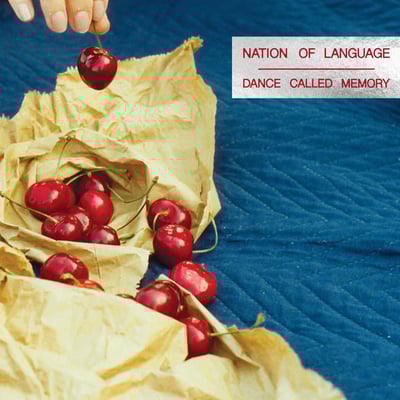
Nation of Language Dance Called Memory
Released Sep 19, 2025 Sub Pop Records
Established consensus 5 professional reviews Updated Nov 22, 2025
Mostly positive consensus
Nation of Language's Dance Called Memory trades neon immediacy for a quieter, more introspective synth-pop mood that critics generally find rewarding if occasionally restrained.
How ChoruScore worksCritics' Top Tracks
The songs critics returned to most
Inept Apollo
5 critic mentions
“or of "Inept Apollo," a shimmery, uptempo lead single that became the band's first song to land on the Billboard Triple A chart” — AllMusic
I'm Not Ready for the Change
5 critic mentions
“With Devaney writing on guitar, it’s perhaps not entirely surprising that “I’m Not Ready for the Change” takes on a woozy, shoegaze-inspired feel” — PopMatters
Can't Face Another One
4 critic mentions
“He sets the mood on the opening track “Can’t Face Another One”: "The day’s begun / I can’t face another one / But on and on they come.” — PopMatters
Full critic consensus
Nation of Language's Dance Called Memory trades neon immediacy for a quieter, more introspective synth-pop mood that critics generally find rewarding if occasionally restrained. Across five professional reviews the record earned a 73/100 consensus score, and reviewers consistently point to emotionally plainspoken songwriting and 80s synthpop influences as the album's guiding forces. Standout songs repeatedly named by critics include “Inept Apollo”, “Can’t Face Another One”, “Under the Water”, “I’m Not Ready for the Change” and “In Another Life”—the tracks most often cited when answering what the best songs on Dance Called Memory are.
Critics praise the craftsmanship and consistency of the production, noting how minimalist instrumentation and careful percussion let moments of grief and nostalgia land with clarity. Reviews from Paste and PopMatters highlight “Can’t Face Another One” and “Inept Apollo” for their candid lyricism and hooky synths, while AllMusic and The Line of Best Fit point to “In Another Life” and “Silhouette” as examples of the band's rhythmic daring and widescreen sweep. At the same time several reviewers observe a tension between restraint and pop ambition - the record's tasteful subtlety yields warmth and melancholy but sometimes sacrifices immediate payoff.
In sum, the critical consensus suggests Dance Called Memory is worth listening to for fans of synthpop revival and introspective songwriting: it is not a radical reinvention, but a carefully wrought, occasionally exhilarating collection that hints at bolder possibilities ahead. Below, professional reviews unpack where the album's craftsmanship succeeds and where its reserve holds it back.
Track Ratings
How critics rated each track, relative to this album (0-100). Only tracks that made critics feel something are rated.
Can't Face Another One
In Another Life
Silhouette
Now That You're Gone
I'm Not Ready for the Change
Can You Reach Me?
Inept Apollo
Under the Water
In Your Head
Nights of Weight
Get the next albums worth your time.
Critic-backed picks in one clean digest. No clutter.
What Critics Are Saying
Deep insights from 5 critics who reviewed this album

Critic's Take
Nation of Language’s Dance Called Memory hinges on naked lyricism and a handful of standout tracks, with “Can’t Face Another One” and “Inept Apollo” revealing the album’s best moments. Tatiana Tenreyro writes in an intimate, observant tone, praising how “Can’t Face Another One” opens the record with dreamlike synths and candid grief while calling “Inept Apollo” one of Devaney’s best songs for its self-deprecating candor. She balances critique and admiration, noting sonic lapses - such as the lack of oomph on “Now That You’re Gone” - but ultimately frames the record as a gutsy, rewarding turn for the band. This narrative answers what the best songs on Dance Called Memory are by foregrounding the emotional clarity of “Can’t Face Another One” and the lead single “Inept Apollo”.
Key Points
-
“Can’t Face Another One” is best for its dreamlike synths and uncompromising lyrical vulnerability.
-
The album’s core strength is transforming grief into intimate, synth-pop songwriting with both lyrical nakedness and strong second-half sonics.
Themes

Critic's Take
Nation of Language return with Dance Called Memory, an album whose best tracks - notably “In Another Life” and “Silhouette” - crystallize their shifted palette and rhythmic daring. The reviewer's voice lingers on how “In Another Life” uses live percussion through synths to achieve a laser-like groove, while “Silhouette” finds pleading melodic choruses that recall Mark Hollis. This is a danceable, eccentric record that wears melancholy and alienation like carefully arranged production flourishes, making those songs the best tracks on Dance Called Memory. The result feels immaculate and poised to continue the band's upward climb.
Key Points
-
The best song, “In Another Life”, stands out for its live-percussion-through-synth technique and laser-like rhythm.
-
The album's core strengths are its danceable yet melancholic atmosphere and inventive, minimalist production choices.
Themes

Critic's Take
Nation of Language arrive on Dance Called Memory sounding more introspective and inward-looking than before, with songs like “Can’t Face Another One” and “Inept Apollo” standing out for their blend of bleak lyricism and irresistible synth hooks. John Bergstrom’s tone is admiring and measured, noting that slower tracks such as “Under the Water” find energy in beauty while the danceable propulsion of “In Another Life” and the bass on “Inept Apollo” deliver the album’s most memorable moments. The record feels simultaneously darker and warmer, less about imitation and more about the band finally sounding like themselves, which makes queries about the best songs on Dance Called Memory point repeatedly to “Inept Apollo” and opener “Can’t Face Another One”. This is a modest but pivotal step forward, a collection that favors concision and craft over pyrotechnics while still offering a few undeniable highlights.
Key Points
-
“Inept Apollo” is the best track because of its buoyant bassline and status as possibly the band’s most complete and indelible song.
-
The album’s core strengths are its tightened arrangements, introspective lyrics, and a warmer, more confident sound that still yields danceable moments.
Themes

Critic's Take
On Nation of Language’s Dance Called Memory, the review zeroes in on the album’s most compelling moments, naming “I’m Not Ready for the Change”, “In Your Head” and “Nights of Weight” as the best tracks that actually break through. Michael Hoffman writes with measured longing, praising the tender glow of “Under the Water” and the widescreen sweep of “Silhouette” while chiding the record for skimming its own pop potential. The critic frames the high points as proof the band can deliver a bolder pop moment, even as the album often favors tasteful restraint over outright bangers. Overall, the narrative presents these standout songs as evidence that the next record could finally let the mirror shatter and become the fully realized pop statement fans want.
Key Points
-
The best song is "I'm Not Ready for the Change" because it is called the record's strongest single and transforms resignation into devotion.
-
The album's core strengths are consistent, tactile synthcraft and melodic 80s influences, balanced against a restraint that limits pop payoff.
Themes

Critic's Take
In the quieter turns of Dance Called Memory, Nation of Language trade immediate propulsion for softer colors, and the best songs - notably “Inept Apollo” and “I’m Not Ready for the Change” - show why. Matt the Raven praises Ian Richard Devaney’s lyricism and the crisp electronic percussion that make “Inept Apollo” a clear highlight, even as much of the record slips into pleasant forgettability. The experimentation on “In Another Life” and the shimmer of “Can You Reach Me?” are acknowledged as interesting moves that rarely coalesce into true breakthroughs. Ultimately the album’s warmth and human touch yield some genuine moments, but they come at the expense of the vibrant immediacy that once defined the band.
Key Points
-
“Inept Apollo” stands out for its crisp percussion, elegant rhythms, and melodic hooks making it the album’s clearest highlight.
-
The album’s core strength is Devaney’s poignant lyricism and warm, human production, but this comes at the cost of diminished immediacy and spark.