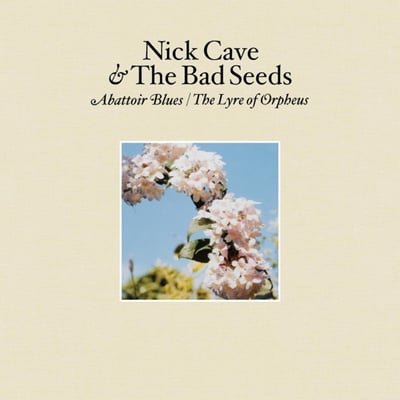
Nick Cave & the Bad Seeds Abattoir Blues / The Lyre Of Orpheus
Released Oct 26, 2004 Mute, a BMG Company
Established consensus 18 professional reviews Updated Sep 30, 2026
Broadly positive consensus
Nick Cave & the Bad Seeds's Abattoir Blues / The Lyre Of Orpheus plants a flag where theatrical gospel meets elegiac storytelling, and across 18 professional reviews critics largely agree the record succeeds.
How ChoruScore worksCritics' Top Tracks
The songs critics returned to most
Get Ready for Love
4 critic mentions
“You can almost taste the brimstone puffing from his nostrils on Abattoir Blues 's opener "Get Ready for Love", which-- in its full-throated gospel-punk regalia-- sounds like” — Pitchfork
O Children
3 critic mentions
“The gospel choir backing is used to great effect on the last two tracks Carry Me and O Children” — No Ripcord
Abattoir Blues
3 critic mentions
“Do you feel what I feel, dear?/ Mass extinction, darling, hypocrisy/ These things are not good for me," Cave sings on "Abattoir Blues” — Pitchfork
Full critic consensus
Nick Cave & the Bad Seeds's Abattoir Blues / The Lyre Of Orpheus plants a flag where theatrical gospel meets elegiac storytelling, and across 18 professional reviews critics largely agree the record succeeds. With a consensus score of 81.78/100 across 18 reviews, the double set earns praise for its high-voltage rock and quiet, tale-driven counterweight - an album that balances piety and depravity while delivering unmistakable highlights.
Reviewers consistently point to the gospel-powered punch of “Get Ready for Love”, the choir-swollen redemption of “O Children”, and the title-track dualities that split the record between raucous fury and hushed narrative. Critics praised “Abattoir Blues” and “Hiding All Away” for their muscular immediacy and dark humor, while songs like “Hiding All Away” and quieter ballads receive notice for their solemnity and storytelling. Across professional reviews the recurring themes are gospel influence, apocalyptic imagery, and a striking contrast between loud rock and quiet elegance, with many reviewers calling out the energetic band performance and choir-backed climaxes as the set's most memorable moments.
Not every critic is unreserved: some note occasional pretension and the familiar double-album risk of bloat, yet the consensus suggests the highlights outweigh the excess. For readers wondering whether Abattoir Blues / The Lyre Of Orpheus is worth listening to, critics agree it contains several essential tracks and a vivid, dual-sided vision that marks a confident chapter in Nick Cave's catalog. Scroll down for full reviews and track-by-track reactions to the best songs on the record.
Track Ratings
How critics rated each track, relative to this album (0-100). Only tracks that made critics feel something are rated.
Get Ready for Love
Cannibal's Hymn
Hiding All Away
Messiah Ward
There She Goes, My Beautiful World
Nature Boy
Abattoir Blues
Let the Bells Ring
Fable of the Brown Ape
The Lyre of Orpheus
Breathless
Babe, You Turn Me On
Easy Money
Supernaturally
Spell
Carry Me
O Children
Get the next albums worth your time.
Critic-backed picks in one clean digest. No clutter.
What Critics Are Saying
Deep insights from 18 critics who reviewed this album

Critic's Take
Nick Cave & the Bad Seeds return with Abattoir Blues / The Lyre Of Orpheus, a double album that bristles with invention and grotesque humour. The reviewer's voice delights in the shocks of “Hiding All Away” and the gleeful absurdity of “Abattoir Blues”, arguing these are among the best tracks on Abattoir Blues / The Lyre Of Orpheus because they capture both menace and mischief. Cave's sly wit and cinematic violence mean the best songs - notably “Hiding All Away” and “Abattoir Blues” - feel like a unique return to form. The record often surprises, shifting from queasy funk to full-on brimstone, which makes its standout tracks feel vital and unpredictable.
Key Points
-
Hiding All Away is best because its finale moves from queasy funk to full-on hellfire, a breathtaking reversal.
Themes

Ti
En
Dr
Critic's Take
Nick Cave & the Bad Seeds return with Abattoir Blues / The Lyre Of Orpheus, a double set where the best tracks crystallise the record's two poles: the gospel-fuelled fury of “Abattoir Blues” and the pensive storytelling of “The Lyre of Orpheus”. Raziq Rauf's prose repeatedly evokes the choir, the howl and the atmosphere, arguing that “Abattoir Blues” brings gospel to the fore while “The Lyre of Orpheus” perfects the tale-being-told mood. This double release feels like a packaged masterpiece, each side offering its own best tracks and rewards on repeated listens.
Key Points
-
The best song is “Abattoir Blues” because it 'brings gospel to the fore' and channels guttural blues with conviction.
-
The album's core strength is its duality: ferocious gospel-inflected rock opposite a mellow, tale-driven, atmospheric companion.
Themes

Critic's Take
Nick Cave & the Bad Seeds deliver a twofold triumph on Abattoir Blues / The Lyre Of Orpheus, where the best tracks - “Get Ready for Love” and “O Children” - show Cave at his most combustible and most heartbreakingly poetic. The reviewer's relish for volume-cranked rock and pathos-drenched balladry comes through in buoyant descriptions of the gospel-choir roar and the skin-crawling beauty of the closer. He insists the set functions as two distinct listening experiences, praising the abrasive dynamics of the Abbatoir Blues songs and the restrained craft of The Lyre of Orpheus. Overall, the review frames the album as a career high point, equal parts fury and tenderness that make these best tracks essential.
Key Points
-
The best song is "Get Ready for Love" because its gospel-choir roar and propulsive rock make it an explosive opener.
-
The album's core strength is the stark contrast between Abbatoir Blues' raucous dynamics and The Lyre of Orpheus' restrained, poetic craft.
Themes
Gi
Co

Q
NO
Pr

Critic's Take
Nick Cave & the Bad Seeds' double set Abattoir Blues / The Lyre Of Orpheus is at its best when it marries bombast to tenderness, as on “Get Ready for Love” and the closing “O Children”. Murphy's prose delights in the record's theatricality, praising the gospel-punk blast of “Get Ready for Love” and the choir-powered redemption of “O Children” while admitting the odd misfire. He frames the album as a high-wire act between piety and depravity, and that tension yields the best tracks and most memorable moments.
Key Points
-
The best song, "O Children", succeeds by transcending inspirational clichés with a stirring full-chorus performance.
-
The album's core strength is its dramatic tension between piety and depravity, amplified by gospel textures and cinematic lyrics.
Themes

Critic's Take
Nick Cave & the Bad Seeds deliver a bruising, often thrilling double set with Abattoir Blues / The Lyre Of Orpheus, and the best tracks stand out with unmistakable force. The opener “Get Ready for Love” is a great opening, all celebratory gospel backing and Cave's wordy delivery, while quieter highlights like “Nature Boy” and the closing “Carry Me” and “O Children” show the second disc's cohesive, Boatman's Call-era intimacy. The album's mix of apocalyptic revelry and absurdly pretty profundity makes these songs the best tracks on Abattoir Blues / The Lyre Of Orpheus, balancing muscle and tenderness. Listen for those gospel-leaning climaxes - they are where the record truly lives.
Key Points
-
The best song is the opener “Get Ready for Love” because of its celebratory gospel backing and commanding delivery.
-
The album's core strengths are the contrast between raucous Abattoir Blues and the cohesive, intimate Lyre of Orpheus, plus moments of profound lyricism.
Themes

Sp
Critic's Take
Nick Cave & the Bad Seeds sound at their most imposing on Abattoir Blues / The Lyre Of Orpheus, and the review points to a few best songs that justify that claim. The critic calls “Get Ready for Love” "one of the greatest songs of Cave’s 26-year career," praising its torrential rocker propulsion and gospel climax. He highlights “Hiding All Away” for its lurching riff and paranoid, Dylanesque verses, and singles out “There She Goes, My Beautiful World” as a roaring, name-dropping plea to a muse. The quieter title track “The Lyre of Orpheus” and other slow numbers are noted as more pretentious, but the gospel-fueled highs make these the best tracks on the album in the reviewer’s account.
Key Points
-
The best song is “Get Ready for Love” because the reviewer calls it one of Cave’s greatest and praises its torrential, gospel-driven power.
Themes
