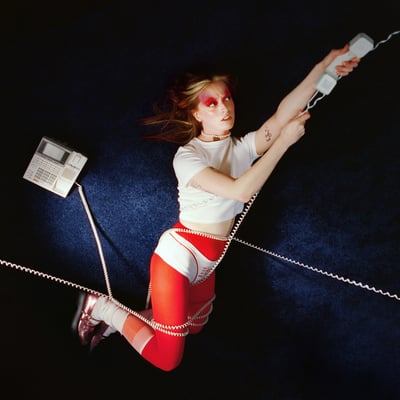
Orla Gartland Everybody Needs a Hero
Released Oct 4, 2024 New Friends
Established consensus 6 professional reviews Updated Dec 31, 2025
Mostly positive consensus
Orla Gartland's Everybody Needs a Hero lands as a sharp, often hilarious chronicle of self-rule and romantic turmoil that critics say mostly succeeds at marrying hook-focused songwriting with emotional candour.
How ChoruScore worksCritics' Top Tracks
The songs critics returned to most
Kiss Ur Face Forever
3 critic mentions
“Kiss Ur Face Forever’ nails the album’s themes as Gartland analyses the weirdness and trickiness of long-term relationships” — Far Out Magazine
Backseat Driver
6 critic mentions
“Backseat Driver’ – a takedown of intrusive thoughts that sees Gartland demand: “ Shut up backseat driver, this has gone too far/You’ve taken up enough space, now get out of my car” — New Musical Express (NME)
SOUND OF LETTING GO
3 critic mentions
“The floor-shaking ‘Sound Of Letting Go’, all feral riffs and ethereal choruses of layered vocals, distils this idea.” — New Musical Express (NME)
Full critic consensus
Orla Gartland's Everybody Needs a Hero lands as a sharp, often hilarious chronicle of self-rule and romantic turmoil that critics say mostly succeeds at marrying hook-focused songwriting with emotional candour. Across six professional reviews the record earned a 71.67/100 consensus score, and reviewers repeatedly point to its high-octane moments and intimate ballads as the album's clearest strengths. Critics note Gartland's knack for balancing humor and grief while experimenting with 90s-tinged indie-pop and occasional production risk-taking.
The critical consensus highlights several standout tracks as guideposts for anyone searching for the best songs on Everybody Needs a Hero. “Backseat Driver” is the most-cited highlight for its fizzing energy, while “Kiss Ur Face Forever”, “SOUND OF LETTING GO”, “Both Can Be True” and “Who Am I?” recur across reviews for their hooks, lyrical frankness and emotional payoff. Reviewers from Beats Per Minute and NME praise the album's cathartic choruses and pop-punk bursts, The Line of Best Fit and Clash point to Gartland's intimate storytelling and identity-driven songs like “Mine” and “Both Can Be True”, and DIY and Far Out flag the 90s inflection and bold production choices.
While most critics celebrate the record's storytelling and standout singles, several also flag uneven production and a shapeshifting identity as minor drawbacks. That mix yields a generally positive but measured picture: Everybody Needs a Hero is worth listening to for its best tracks and emotional candour, and it marks a confident, if occasionally inconsistent, step forward in Gartland's catalogue.
Track Ratings
How critics rated each track, relative to this album (0-100). Only tracks that made critics feel something are rated.
Both Can Be True
SOUND OF LETTING GO
Little Chaos
Backseat Driver
The Hit
Simple
Late To The Party
Three Words Away
Kiss Ur Face Forever
Who Am I?
Mine
Everybody Needs a Hero
Get the next albums worth your time.
Critic-backed picks in one clean digest. No clutter.
What Critics Are Saying
Deep insights from 6 critics who reviewed this album
Fa
Critic's Take
Orla Gartland's Everybody Needs a Hero makes clear which are the best tracks on Everybody Needs a Hero - chiefly “Late To The Party” and “Mine” - because Gartland pairs daring production with bruising honesty. The reviewer's voice revels in the high-octane indie bangers like “Sound of Letting Go” while celebrating the album's softer, devastating moments, most notably “Mine”. There is a confident throughline from the bold pop immediacy of “Late To The Party” to the stripped, raw emotional core of “Both Can Be True”, and that juxtaposition is exactly why these are the best songs here.
Key Points
-
‘Late To The Party’ is the standout for its infectious, high-octane indie banger energy and celebrated collaboration.
-
The album’s core strengths are bold production choices paired with brutally honest lyricism and clear artistic evolution.
Themes

Critic's Take
Orla Gartland doesn’t abandon her elder-sister counsel on Everybody Needs a Hero, but she deepens it, balancing grief and sharp humour to striking effect. The review places “Mine” front and centre as the best song on the album, a harrowingly intimate masterpiece that proves Gartland’s gifts. Complementary highlights include the LCD Soundsystem-tinged “Backseat Driver” and the bouncing indie burst of “Little Chaos”, which together show why listeners searching for the best tracks on Everybody Needs a Hero should start there. The record keeps Gartland’s storytelling instincts intact while pushing her into new, intriguing directions that reward repeated listens.
Key Points
-
“Mine” is best because it is called a harrowingly intimate masterpiece that took years to compose and proves Gartland’s emotional honesty.
-
The album’s core strengths are intimate storytelling, a balance of grief and humour, and adventurous shifts into energetic indie and electronic-tinged sounds.
Themes

Critic's Take
In her second LP Orla Gartland crafts Everybody Needs a Hero with brash, bold confidence, and the best songs - notably “Backseat Driver” and “Late To The Party” - lean into a pleasing ’90s inflection. Charlotte Grimwade’s voice here relishes dark humour and angsty cliché, so the record’s highlights sit where guitar-anthem overload meets wistful vulnerability. Tracks such as “The Hit” and “Who Am I?” showcase Orla’s soaring voice and dexterity, making them among the best tracks on Everybody Needs a Hero. The closing title cut ties the themes together with a memorable line about isolation and trying, rounding out why these are the album’s standout moments.
Key Points
-
Backseat Driver and Late To The Party stand out for their ’90s inflection and memorable guest feature.
-
The album’s core strengths are Orla’s vocal dexterity, bold creative vision, and a balance of guitar anthems with folky calm.
Themes

Critic's Take
Orla Gartland’s Everybody Needs a Hero thrives on sharp, chatty songwriting and gleeful production risks, with tracks like “Kiss Ur Face Forever” and “Backseat Driver” standing out as the album’s best songs for their fizz and fury. Mylrea’s voice delights in the record’s knack for combining gut-punch couplets with witty quips, so when she praises “Sound Of Letting Go” as floor-shaking it carries weight. The result is an LP that often favors high-octane moments over its quieter turns, making those pop-punk and indie-rock bursts the best tracks on Everybody Needs a Hero.
Key Points
-
The best song is a high-octane, witty burst like “Kiss Ur Face Forever” because it marries pop-punk energy with frank, memorable lines.
-
The album’s core strengths are sharp, humorous songwriting and bold production choices that expand Gartland’s sonic palette.
Themes

Critic's Take
Measured and observant, Ray Finlayson finds on Everybody Needs a Hero an artist sharpening her hooks and magnifying relational truth. Orla Gartland balances the album’s highs and lows with songs like “Little Chaos” and “Kiss Ur Face Forever” that stick with you, even as gentler moments sometimes underdeliver. The record improves on its predecessor, serving cathartic choruses and sharper instincts while occasionally suffering from uneven production - those flashier moments still hit hard and make the best tracks stand out.
Key Points
-
The best song, "Little Chaos", is best for its cathartic, infectious chorus and vocal nuance on the repeated word "chaos".
-
The album’s core strengths are sharper hooks, candid relationship detail, and a balance of highs and lows despite occasional production unevenness.
Themes

Critic's Take
Orla Gartland makes clear on Everybody Needs a Hero that she is delightfully awkward and endlessly fun, with the best songs leaning into emotional candour and genre play. The record’s highlights, like “Both Can Be True” and “Who Am I?”, show her knack for intimate balladry and identity-driven hooks, while “The Hit” supplies the album’s catchiest, Lucy Dacus-flavoured moments. The reviewer revels in how Gartland spins a wheel of genres yet keeps the centred narrative intact, so searches for the best tracks on Everybody Needs a Hero will likely point to those emotionally precise moments. Overall, it reads as a confident, entertaining step forward that still leaves her identity slightly shapeshifting rather than fully distinct.
Key Points
-
The best song is best because it pairs intimate songwriting with genre-appropriate production and emotional precision.
-
The album’s core strengths are its focused storytelling, genre-hopping adventurousness, and candid lyricism.