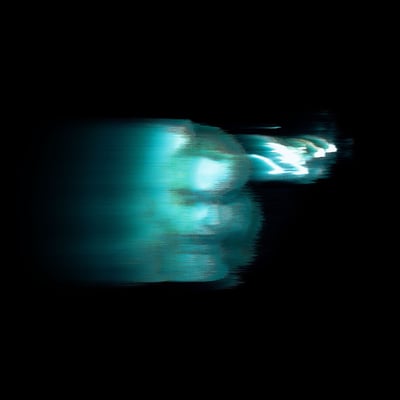
Phoebe Bridgers Lost Weekend
Released Aug 14, 2026 Dead Oceans
Established consensus 27 professional reviews Updated Aug 25, 2026
Strong critical consensus
Phoebe Bridgers's Lost Weekend stages a return that feels both daring and intimately familiar, a 16-song cycle where grief, wry humor and arena-scale songwriting collide.
How ChoruScore worksCritics' Top Tracks
The songs critics returned to most
Bobby
21 critic mentions
“the clattering, chaotic Bobby is equally impactful in its depiction of the heady early days of a love affair” — The Guardian
Still Standing
15 critic mentions
“Still Standing, meanwhile, describes the disquieting sensation of being unable to muster the emotions you’re supposed to feel at the death of a parent” — The Guardian
Lost Boys
15 critic mentions
“As is "Lost Boys," the anthemic lead single that immediately follows it in the tracklist.” — Pitchfork
Full critic consensus
Phoebe Bridgers's Lost Weekend stages a return that feels both daring and intimately familiar, a 16-song cycle where grief, wry humor and arena-scale songwriting collide. Across professional reviews critics praise how moments of textural production and narrative detail - notably “Bobby”, “Still Standing” and “Lost Boys” - function as the album's emotional and sonic lodestars, offering the clearest answers to queries about the best songs on Lost Weekend.
The critical consensus is overwhelmingly positive: the record earned a 90.04/100 consensus score across 27 professional reviews, with reviewers consistently highlighting Bridgers' expansion into synth-textured arrangements, cinematic production and surprising pop lifts. Critics point to “The Outside” and the title pair (“Lost Weekend” and its reprise) as framing devices that braid memory, family trauma and mourning into moments of catharsis, while tracks like “Kill Me” and “The Governor's Waltz” turn private detail into gutting hooks. Reviewers consistently note the balance between sonic experimentation and her trademark lyricism - the record can feel occasionally overproduced to some, but more often its production risks are rewarded.
While a few critics find parts of the album uneven, the dominant narrative among music critics is that Lost Weekend is Bridgers' most adventurous, emotionally vivid collection since her hiatus - an album that repackages melancholy as communal exhilaration and proves, across 27 reviews, that yes, the best tracks on Lost Weekend are worth repeated listening. Scroll for full reviews and track-by-track notes that unpack why these standout songs register as both intimate confessions and arena-ready revelations.
Track Ratings
How critics rated each track, relative to this album (0-100). Only tracks that made critics feel something are rated.
The Outside
Lost Boys
Kill Me
The Governor’s Waltz
Bobby
Lost Weekend
Haunted
Panorama
Still Standing
Liberty Tree
Never Going Back!
Other Plans
Lost Parade
I Can’t Wait
As Above
Lost Weekend (Reprise)
Lost Weekend
Get the next albums worth your time.
Critic-backed picks in one clean digest. No clutter.
What Critics Are Saying
Deep insights from 30 critics who reviewed this album

Th
Critic's Take
Phoebe Bridgers drifts through Lost Weekend with grief and sudden sunlight, and the best songs on Lost Weekend are the ones that let those two forces collide. “Still Standing” is the album's most haunting hook, a gut-churning childhood scene that lingers; “Never Going Back!” breaks you open with its tiny, tinny guitar and voice note coda. At the sunnier end, “Bobby” and “Lost Boys” fling their arms wide, euphoric and communal, showing why the best tracks on Lost Weekend balance sorrow and joy in one breath.
Key Points
-
The best song, "Still Standing", is the album's most haunting and emotionally gut-churning moment.
-
The album's core strength is balancing bottomless grief and dizzy joy so they enhance each other.
Themes

Critic's Take
Phoebe Bridgers treats Lost Weekend as an immersive wound, where the best songs like “The Outside” and “Lost Boys” double as both celebration and collapse. The opener “The Outside” sets a warped, electronic tone - funny and bruised in equal measure - while “Lost Boys” feels triumphant and aching, the record's clearest standout. Elsewhere, quieter pieces such as “The Governor's Waltz” and “Never Going Back!” carry the same messy, undefined emotional stakes that make the best tracks on Lost Weekend linger. This is an album of sucker punches and small consolations, and its strongest songs are strongest because they hold both at once.
Key Points
-
The best song work because they balance celebratory sound with aching, personal lyrics.
-
The album's core strengths are emotional contrast and adventurous production that reveal catharsis.
Themes

Critic's Take
Phoebe Bridgers's Lost Weekend finds its best songs in intimate reckonings and theatrical production, where “Kill Me” and “Lost Weekend” stand out as emotional centerpieces. The reviewer's voice lingers on the goosebump-inducing arrangements of “Kill Me”, and on the candid, gut-punching liners that make “Lost Weekend” and its reprise feel like bookends to an unflinching story. Backed by star collaborators and pristine production, the best tracks on Lost Weekend are those that pair sharp songwriting with surprising sonics, turning personal grief into expansive, captivating songs. This is an album of reckoning, and its top tracks reward repeated, attentive listening.
Key Points
-
The best song, "Kill Me", is singled out for its goosebump-inducing arrangement and dramatic silent pause.
Themes
Fa
Critic's Take
Phoebe Bridgers returns with Lost Weekend, an album rooted in grief yet shot through with defiant force, and the best songs on Lost Weekend prove her range. The reviewer singles out “As Above” as the standout, where she belts and soars in a way that feels life-saving, and the fury of “Kill Me” and the devastation of “Lost Weekend (Reprise)” make them among the best tracks on Lost Weekend. The record alternates between jagged, fury-filled rock and eerily monotonous desolation, giving these top songs emotional weight and sonic variety. This is going to kill you, but it is also Bridgers at her most ambitious and alive.
Key Points
-
As Above is the best song for its fierce, belting vocal that transforms grief into catharsis.
-
The album's core strengths are emotional honesty and varied sonic textures that balance fury and desolation.
Themes
No
Critic's Take
Phoebe Bridgers's Lost Weekend reads like an expansive, risk-taking follow-up where the best songs - notably “The Outside” and “Still Standing” - announce a new tonal palette and the album's emotional stakes. The opener’s processed vocals and noisy textures immediately establish that these are different Bridgers songs, while quieter tracks like “Still Standing” deliver the album's most devastating songwriting. Elsewhere, “Bobby” supplies warm counterbalance, a moment of unguarded happiness that explains why the record's grief and renewal coexist. The result is an album that moves through loss rather than staying inside it, which is precisely what makes these tracks the album's best songs and best tracks.
Key Points
-
The best song is "Still Standing" for its precise, understated exploration of fraught family memories.
-
The album's core strengths are bold production shifts and balancing grief with moments of romantic renewal.
Themes

Critic's Take
In a voice that is both sharp and quietly astonished, Phoebe Bridgers turns Lost Weekend into an examination of love, loss and sound design where the best songs - notably “The Outside” and “The Governor’s Waltz” - fracture expectation and linger. The record keeps pulling its acoustic instruments into waves of droning electronics, so moments like “The Outside” - with its smothered voice and vanishing guitar - and the vividly drawn “The Governor’s Waltz” feel like emotional landmarks. Bridgers’ lyricism and the daring production make the best tracks on Lost Weekend feel simultaneously intimate and disorientating, delivering real emotional payoff. The result is an often wrenching but thrilling album that rewards repeated listening.
Key Points
-
The Outside is the album's keystone because it sets the emotional and sonic template from the first notes.
-
Lost Weekend's core strengths are its incisive lyrics and daring sound design that buries traditional instruments in electronic murk.
Ro
Critic's Take
Phoebe Bridgers’s Lost Weekend homes in on the bruised aftermath of sudden arena fame, and its best songs make that retreat feel lived-in and cinematic. The reviewer keeps returning to the anthemic punch of “Bobby”, the bombastic, quintessential “Lost Boys” and the intimate, storytelling “The Governor’s Waltz” as the album’s clearest high points. Bridgers balances ambient interludes with hard-hitting drums and country-tinged moments, so when you search for the best tracks on Lost Weekend you find both arena-ready choruses and fragile, revealing vignettes. This is an album where the wait was the whole point, and its standout songs prove that disappearance yielded something daring and specific.
Key Points
-
“Bobby” is the album’s standout for its arena-ready, anthemic punch and emotional directness.
-
The album’s core strengths are vivid, specific storytelling and bold sonic experimentation across genres.
Themes
Th
Critic's Take
Phoebe Bridgers arrives on Lost Weekend bruised but mordantly funny, and the best songs - like “Lost Boys” and “Bobby” - are where that blend feels most lived-in. The record traffics in the small sharp details that make her songs land, so when “Lost Boys” turns radio-friendly it still carries that sting, and “Bobby” acts as a quieter anchor. Elsewhere, “Haunted” and “Liberty Tree” broaden the album’s emotional compass, stitching love and grief together with invisible thread. This is Bridgers at her literal, unflinching best, an album that says more by showing less and letting the images do the work.
Key Points
-
The best song is the lead single “Lost Boys”, which pairs radio-friendly production with Bridgers’ emotional sting.
-
The album’s core strengths are vivid personal songwriting and a deft balance of dry wit with grief and love.
Themes
Sp
Critic's Take
Phoebe Bridgers has fashioned something cinematic and intimate on Lost Weekend, and the best songs on Lost Weekend - like “The Outside”, “Still Standing” and “Lost Weekend (Reprise)” - are where her wit and grief collide. The record moves from the vocodered detachment of “The Outside” to the tender reckoning of “Still Standing”, and culminates in the aching closure of “Lost Weekend (Reprise)” in ways that feel both vast and personal. Reading the album is like watching Bridgers build and then breach a fortress of solitude, each standout track revealing another plastered-over seam of feeling. This is not modest bragging; it is a justified claim that these are among the best tracks on Lost Weekend and among her finest work yet.
Key Points
-
The best song is emotionally resonant and cathartic, exemplified by “Lost Weekend (Reprise)” closing the record with memorable lines.
-
The album’s core strengths are its blend of cinematic production, sharp pop-culture lyricism, and intimate explorations of grief and fame.
Themes
St
Critic's Take
Phoebe Bridgers sounds fully realised on Lost Weekend, and the best songs on Lost Weekend are those that marry her intimacy with adventurous production. “Bobby” feels like the album's emotional centerpiece, swelling from intricate guitars into a heart-in-your-chest chorus. “Still Standing” is devastating in its fusion of folk and ambient synths, and the inclusion of a voice note on “Never Going Back!” makes that track among the album's most affecting. The record’s warmer single “Lost Boys” is also one of the most inviting moments, its summery immediacy underlining why these are the best tracks on Lost Weekend.
Key Points
-
“Bobby” is the best song for its rich production and emotionally resonant songwriting.
-
The album’s core strengths are adventurous production balanced with intimate, sharp songwriting about grief and fame.
Themes

Critic's Take
Phoebe Bridgers leans into repetition and haunting detail on Lost Weekend, and the review circles back to the same highlights: “The Outside” establishes the album’s cycles, while “Bobby” and “Liberty Tree” supply a rare, radiating happiness. The writer lingers on the vocoder on “The Outside” and how it renders Bridgers dissociated, then praises the uptempo burst of “Bobby” and the pleading warmth of “Liberty Tree”. If you’re searching for the best tracks on Lost Weekend, those three songs are presented as the clearest standouts, balancing avant-garde flourishes with sticky pop hooks and emotional payoff. The tone stays admiring but measured, noting ambition sometimes outstrips toplines, yet celebrating memorable melodies throughout.
Key Points
-
The best song, "The Outside," sets the album’s cyclical themes through a striking vocoder that renders dissociation.
-
The album’s core strength is marrying avant-garde touches and sticky pop melodies to an emotional folk structure.
Themes

Critic's Take
Phoebe Bridgers returns with Lost Weekend, a record that rewards patience and reveals itself song by song, where best tracks like “Kill Me” and “Lost Boys” feel like emotional centerpieces. The reviewer's voice lingers on breath and timing, praising how “Kill Me” opens into a funeral-hymn refrain and how “Lost Boys” is recontextualized by the reprise. There is also delight in the quiet triumph of “Never Going Back!” and the barn-burner energy of “Haunted”, all of which make clear why listeners asking about the best songs on Lost Weekend will keep returning to those moments. The record reads as a careful, searching reintroduction rather than a tidy exorcism, and that measured risk is what makes these tracks the album's standout moments.
Key Points
-
The best song, "Kill Me", stands out for its funeral-hymn refrain, instrumental crescendo and emotional payoff.
-
The album's core strengths are patient songcraft, breath-centered production, and recontextualized singles that reward repeated listens.
Themes

Critic's Take
Phoebe Bridgers returns with Lost Weekend, an album where the best songs - notably “Bobby” and “Still Standing” - stake out both the record's sunniest highs and its gravest reckonings. Production flourishes throughout let songs like “The Outside” and “Panorama” bloom into textured, enveloping landscapes, which is why listeners searching for the best tracks on Lost Weekend will find those moments most rewarding. Overall the album feels like Bridgers' most realized work, balancing spectral ambience and immediate, upbeat songwriting in service of its emotional stakes.
Key Points
-
Bobby is the album's standout for its unabashed, anthemic celebration of new love.
-
The album's core strength is its detailed, dialed-in production that frames grief and small moments in vivid scenes.
Themes

Critic's Take
In Tanatat Khuttapan's reading, Phoebe Bridgers on Lost Weekend is at her most expressionist, and the album's best songs like “Bobby” and “Lost Weekend” showcase a newfound magic in her music. The review celebrates meticulous sound design and explosive arrangements that render grief, grudge and devotion with cinematic force. Tracks such as “Still Standing” and “The Governor’s Waltz” are singled out for their diaristic specificity and emotional clarity, even as some songs trade Punisher's cutting couplets for unstructured lyricism. Overall, the critic frames the best tracks on Lost Weekend as those that fuse intimate scenes with towering production and cathartic payoff.
Key Points
-
“Bobby” stands out as the album’s emotional apex, where Bridgers sounds most expressionist and fully realized.
-
The album’s core strengths are its meticulous sound design and the fusion of intimate scenes with expansive, cinematic production.

Critic's Take
Phoebe Bridgers returns on Lost Weekend as someone who has learned to feel everything, and the best songs - like “The Governor’s Waltz”, “Panorama” and “As Above” - carry that clarity with a wink and a sting. Martoccio’s prose revels in Bridgers’s knack for bookends and sonic experiments, pointing to “The Outside” and the instrumental centerpiece “Panorama” as proof that she is stretching her palette. The review highlights how heartbreak and humor coexist, with moments of euphoric rock on “Bobby” and plaintive reckonings on “Still Standing” making the best tracks on Lost Weekend feel lived-in and urgent.
Key Points
-
“Panorama” stands out as the instrumental centerpiece that showcases Bridgers’s ambient experimentation and compositional ambition.
-
The album’s core strengths are candid lyricism about loss and fame, sonic daring, and a balance of grief and wry humor.
Themes

Critic's Take
In his precise, observant prose Michael Savio frames Phoebe Bridgers’s Lost Weekend as an urgent, sprawling reckoning, and he keeps returning to songs that do the most work emotionally - “The Outside” and “Bobby” emerge as standout moments. He dwells on the deadpan humor and startling intimacy of “The Outside”, noting how a Vocoder and fluttering piano make the wake scene feel like a small, devastating film. Likewise, the lush, delighted violence of “Bobby” is singled out as one of the album’s rare, positively romantic highs. The review also highlights quieter victories - “Other Plans” and the title track’s synth melancholy - as essential pieces of what makes the best tracks on Lost Weekend land so memorably.
Key Points
-
The Outside is the best song for its cinematic opening scene and striking production that crystallize the album’s themes.
-
The album’s core strengths are its meticulous songwriting, vivid emotional details, and arrangements that mirror dissociation and reclamation.
Themes

Critic's Take
Phoebe Bridgers treats Lost Weekend as a braided, cathartic sequence where songs lift one another, and the best tracks - notably “The Outside”, “The Governor’s Waltz” and “As Above” - crystallize that intent. The opener “The Outside” stages the funeral scene that frames the record, while “The Governor’s Waltz” may be her most beautiful song yet, its trickling acoustics and ethereal backing vocals carrying a doomed relationship into ruin and resolution. “As Above” provides the wondrous, climactic payoff and could have served as the album's fitting conclusion, giving Lost Weekend a genuine arc from devastation to cautious optimism. The title track's lush string flourish and the reprise memory of her father seal the album's emotional throughline, showing why listeners ask about the best songs on Lost Weekend and come away changed.
Key Points
-
The Governor’s Waltz is singled out as perhaps Bridgers’ most beautiful song and the album's standout.
-
Lost Weekend's strength is its braided songwriting and recurring motifs that turn individual songs into a cathartic whole.
Themes

Critic's Take
Phoebe Bridgers arrives on Lost Weekend sounding candid and in transition, wrestling with grief while finding new love, and the record’s best songs prove it. The reviewer singles out “Bobby” as the most joyful song she’s ever put out, and notes the pop-leaning “Lost Boys” and eerie “Panorama” as standout moments. Production choices make this Bridgers’ most sonically interesting album yet, and those tracks crystallize why they are the best songs on Lost Weekend - intimate writing married to bolder arrangements. The result is her strongest body of work to date, with these highlights driving that claim.
Key Points
-
“Bobby” is the album’s emotional high point because it captures joy and stability unlike Bridgers’ previous work.
-
The album’s core strength is pairing candid, grief-driven lyrics with bolder, cinematic production.
Themes

Critic's Take
Phoebe Bridgers stretches and refines her craft on Lost Weekend, leaning into intimate grief and the odd euphoria of new love while still surprising with sonic flourishes. The reviewer praises the urgent momentum of “Bobby” as one of the album's most upbeat and transformative moments, and highlights the quiet, heart-stopping silences in “Kill Me” that make the record feel intensely present. For listeners asking about the best songs on Lost Weekend, the writing points you toward “Other Plans” as among the most beautiful and “Bobby” as the most immediate crowd-pleaser, even as the album remains strongest as a cohesive, subtle whole. The tone is elegiac and precise, admiring Bridgers' expanded palette without surrendering the hushed, bedroom intimacy that has always defined her voice.
Key Points
-
The best song is "Bobby" for its upbeat, transformative momentum and standout guitar work.
Themes
Ir
Critic's Take
Phoebe Bridgers remains a master of melodic melancholia on Lost Weekend, but the record often vacillates between sublime strangeness and safe familiarity. The review picks out the jagged thrills of “Kill Me” and the explosive finale of “Bobby” as the album's moments of real surprise, while quieter pieces such as “The Governor’s Waltz” and “The Outside” crystallise Bridgers's haunted perspective. This is a collection whose best songs - and best tracks on Lost Weekend - are those that let her cut loose and unsettle the audience, rather than tidy themselves into familiar shapes. The net effect is an often exquisite but occasionally frustrating third album that grows more confident as it indulges its weirdness.
Key Points
-
The best song is the one that surprises - “Kill Me” delivers a thrilling, stomping shift that stands out.
Themes
Ho
Critic's Take
On Phoebe Bridgers's Lost Weekend, the best songs - particularly “Bobby” and “Still Standing” - strike a bruised, tender balance between grief and the bright relief of new love. Caroline Kelly's voice stays intimate and observant, calling “Bobby” a "punch-drunk anthem" while describing “Still Standing” as one of the record's "most powerful moments"; these tracks crystallize why listeners search for the best songs on Lost Weekend. The opener “The Outside” sets a distorted, frothy cosmos that frames the album, and the reprise closes with hard-won acceptance, making the best tracks on Lost Weekend feel like a gauzy, honest reckoning. Kelly's tone is elegiac yet warmed by relief, so the highlights read as both confession and consolation.
Key Points
-
Bobby is the best song because it is candid, heartwarming, and labelled a "punch-drunk anthem" predicted for the Canon of great love songs.
-
The album's core strengths are its frank exploration of grief and the interplay of darkness and light that allows relief to seep through.
Themes

Critic's Take
Phoebe Bridgers leans into bigger, riskier production on Lost Weekend, and the record’s best tracks prove why. The opening “The Outside” immediately sets a tone that is lush and disquieting, while “Lost Boys” supplies the sparkling singalong chorus that still lands hard. Intense, panoramic moments like “Still Standing” and the crushingly lovely “The Governor’s Waltz” show Bridgers mining grief into some of the best songs on Lost Weekend, balancing experimentation with irresistible hooks. This is Bridgers at her most cinematic, where intimate songwriting meets blockbuster production and the standout songs stick with you afterward.
Key Points
-
The Outside is the album’s defining opener, its vocodered, spartan production establishing a lush-disquieting tone.
-
Bridgers balances experimental, panoramic production with intimate, emotionally immediate songwriting, yielding powerful crowd-pleasing hooks.
Themes

Critic's Take
There’s an expansive, uneasy beauty at the heart of Lost Weekend, and Phoebe Bridgers’ best tracks prove it. “Lost Boys” arrives as a glorious rush of communal feeling, the kind of track that answers the question of the best songs on Lost Weekend with unabashed emotion. Elsewhere, “Bobby” and “Haunted” show Bridgers expanding into arena-ready refulgence without losing her lyricism. The title pair “Lost Weekend” (and its reprise) is the record’s centrepiece, growing from hushed fractal tones into a glitch-pop orchestra that feels both paranoid and liberatory.
Key Points
-
The title track is the album's emotional and sonic centre, growing into a maximalist climax.
-
Bridgers balances intimate lyricism with arena-ready arrangements, producing moments of outstanding grandeur and some quieter, sketch-like passages.
Themes

Critic's Take
In Mojo's voice, Phoebe Bridgers feels present again on Lost Weekend, even when she hides in gauzy atmospheres - the title track and “Still Standing” emerge as the best songs on the record, the former for its splashy hyperpop coda and the latter for its disturbing flashback to family violence. The review leans into Bridgers' talent for turning private loss into vivid detail, so the best tracks on Lost Weekend are those that balance ambient mist with hard narrative, notably “Lost Weekend” and “Still Standing”. Less showy cuts such as “Bobby” also earn praise for knotty domestic sketches, reinforcing why listeners seeking the best songs on Lost Weekend will find both atmosphere and sharp storytelling rewarding.
Key Points
-
The title track is best for its splashy hyperpop coda and atmospheric command.
-
The album’s core strengths are Bridgers' vivid detail, atmospheric production, and candid engagement with grief.
Themes

Critic's Take
Phoebe Bridgers arrives with Lost Weekend as someone drawn to endings but leaning into brighter textures, and the best songs - notably “The Outside” and “Bobby” - showcase that shift with vivid couplets and bliss-pop detail. The opening “The Outside” lands with Vocodered lines that both sting and astonish, while “Bobby” surprises as a Cocteau Twins-ish outlier full of domestic specificities. Elsewhere, the panoramic “I Can’t Wait” and the aching “Lost Boys” balance urgency and melancholy, making them among the best tracks on Lost Weekend. Overall the album unwraps darker material into more hopeful beginnings, and these standout songs make that transition feel earned.
Key Points
-
“The Outside” is the best song for its striking Vocodered opening lines and emotional directness.
-
The album’s strengths are vivid lyrical couplets, varied arrangements, and a shift toward brighter, synth-textured pop while retaining emotional integrity.
Themes

Critic's Take
Phoebe Bridgers keeps that bittersweet poignancy at the centre of Lost Weekend, where the best songs sit in emotional collision. The reviewer singles out “Kill Me” as a standout for its crashing crescendo and jarring stop, and places “Bobby” and “The Outside” among the album’s most arresting moments thanks to unnerving screams and unusual lengthy pauses. Pop-centric “Lost Boys” is noted as the most straightforward track, which only makes the more unpredictable cuts feel like the album’s rewards. The result is an LP that stretches Bridgers’ musical expanse while keeping grief and fame entwined in its strongest songs.
Key Points
-
If you want the best song on Lost Weekend, “Kill Me” stands out for its crashing crescendo and jarring stop.
-
The album’s core strengths are its bittersweet poignancy and unpredictable musical expanses that pair grief and fame.
Themes

Critic's Take
Phoebe Bridgers returns with Lost Weekend, a sixteen-track affair whose best moments come when she pares back and leans into collaborators like Alex G, specifically “Lost Boys” and “Haunted”. Coleman writes with a cool, skeptical cadence, noting that slick production - often Antonoff-tinged on tracks such as “The Outside” and “The Governor’s Waltz” - makes some songs feel oddly unremarkable. The review points readers searching for the best songs on Lost Weekend toward the Alex G co-writes, which emerge as the album’s clearest standouts amid an otherwise one-paced sequence.
Key Points
-
The best song(s) are the Alex G co-writes “Lost Boys” and “Haunted” because they retain Bridgers' clarity amid heavy outside production.

Critic's Take
Phoebe Bridgers still lands a punch line and an ache in equal measure on Lost Weekend, and the best songs - “The Outside”, “Still Standing” and “Bobby” - showcase that bittersweet alchemy. Willman delights in Bridgers' gallows humor and sudden emotional peaks, noting how the opening couplet in “The Outside” and the hush-to-choral build of “Still Standing” make for some of the album's most affecting moments. He praises the banjo propulsion of “Bobby” and the way intimate details land as jokes and vows, which is why listeners seeking the best tracks on Lost Weekend should start there. The record threads mourning and romance so deftly that its standout songs feel both personal and arena-ready.
Key Points
-
The best song is the opening “The Outside” because it immediately establishes the album’s blend of gallows humor and grief.
-
The album’s core strengths are its sharp lyricism, emotional peaks, and the way mourning and romance are interwoven.
Themes

Critic's Take
Phoebe Bridgers returns with Lost Weekend, a 16-song, tightly crafted set where the best tracks sparkle with intimate revelation. The record’s finale, “Lost Weekend (Reprise)”, is presented as an emotional keystone - its line about coming out of hiding feels like the album’s center. Elsewhere “Lost Boys” is singled out as a lament that ties Bridgers’s phone-addled cultural observations to personal loss. For readers asking for the best songs on Lost Weekend, start with “Lost Weekend (Reprise)” and “Lost Boys” for their narrative weight and vivid phrasing.
Key Points
-
The best song is the closing “Lost Weekend (Reprise)”, which contains the record’s emotional center and a key lyric about re-emergence.
-
The album’s core strengths are intimate writing about grief and breakup, and tightly crafted songcraft across a near-hour runtime.