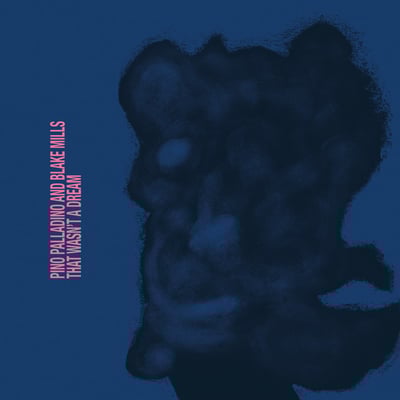
Pino Palladino And Blake Mills That Wasn't A Dream
Released Aug 22, 2025 Blake Mills Label
Early read 1 professional review Updated Nov 24, 2025
Broadly positive consensus
Early read based on 1 professional reviews. Pino Palladino and Blake Mills present That Wasn't a Dream as a study in hush, where restraint and minimalism conjure expansive emotional terrain.
How ChoruScore worksCritics' Top Tracks
The songs critics returned to most
Heat Sink
1 critic mention
“Heat Sink" is completely beguiling” — Pitchfork
What Is Wrong With You?
1 critic mention
“The first 10 seconds of "What Is Wrong With You" establish its lysergic lurch” — Pitchfork
Taka
1 critic mention
“Midway through "Taka," a bubbling stew of electro-funk” — Pitchfork
Full critic consensus
Pino Palladino and Blake Mills present That Wasn't a Dream as a study in hush, where restraint and minimalism conjure expansive emotional terrain. Across the record the duo treats texture and timbre as primary instruments, and Pitchfork's review highlights how patient arrangements turn repetition into cinematic stillness, suggesting that the album's quiet control answers whether That Wasn't a Dream is worth attention. The consensus score sits at 75/100 from one professional review, signaling a solid, thoughtfully crafted statement rather than a showy spectacle.
Critics — here represented by Pitchfork — consistently point to standout tracks that crystallize the album's strengths: “Heat Sink” emerges as the narcotic centerpiece, while “What Is Wrong With You?” supplies the lysergic lurch that animates the record's darker edges. Other notable moments such as “Taka”, “Somnambulista”, and “Contour” are praised for how small gestures expand into whole worlds, reinforcing recurring themes of space, stillness, and altered time perception. Reviewers note the production's fine-grained attention to tone, where silence and subtle shifts become narrative devices.
While the critical perspective is largely favorable, the single professional review frames the album as measured rather than universally exhilarating, emphasizing artistry over immediate hooks. For readers searching for a contemplative, texturally rich listening experience or answers to queries like "best songs on That Wasn't a Dream" and "what do critics say about That Wasn't a Dream", this collection rewards close, repeated listening and marks a distinctive entry in both artists' catalogs.
Track Ratings
How critics rated each track, relative to this album (0-100). Only tracks that made critics feel something are rated.
Contour
I Laugh In The Mouth Of The Lion
Somnambulista
Taka
What Is Wrong With You?
Heat Sink
That Was A Dream
Get the next albums worth your time.
Critic-backed picks in one clean digest. No clutter.
What Critics Are Saying
Deep insights from 2 critics who reviewed this album

Critic's Take
Pino Palladino and Blake Mills make a record of hush and uncanny detail on That Wasn’t a Dream, where small gestures become entire worlds. The review lingers on the narcotic grandeur of “Heat Sink” and the lysergic lurch of “What Is Wrong With You?”, arguing that those tracks best distill the album’s patient, textural magic. The writer’s voice is measured and vivid, mapping how sparse ingredients yield a centerpiece - and in that sense the best songs on That Wasn’t a Dream are the ones that turn restraint into spectacle. The critic praises the trio of tracks for turning repetition into cinematic stillness and for showcasing Mills and Palladino’s uncanny tonal palette.
Key Points
-
The best song is "Heat Sink" because it is called the album’s centerpiece and is described as a beguiling, hallucinatory stunner.
-
The album’s core strengths are restraint, textural invention, and turning minimal ingredients into expansive, cinematic stillness.
Themes
