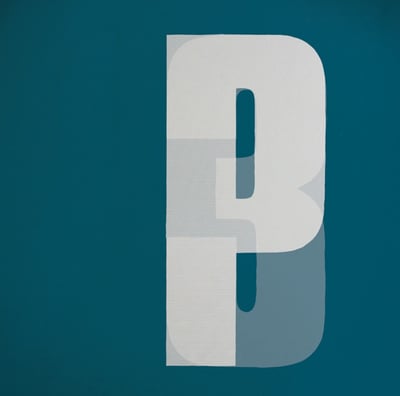
Portishead Third
Released Apr 28, 2008 Universal-Island Records Ltd.
Established consensus 32 professional reviews Updated Mar 23, 2026
Broadly positive consensus
Portishead's Third arrives as a reinvention that prefers menace and minimalism to nostalgia, and critics largely agree it succeeds on its own stark terms.
How ChoruScore worksCritics' Top Tracks
The songs critics returned to most
Machine Gun
13 critic mentions
“it sounds like nothing else out there right now, and it is quite marvelous” — Resident Advisor
The Rip
10 critic mentions
“the cyclic synth-bass loop that softens the second half of "The Rip," a song which is proof positive that Goldfrapp would never exist without Portishead” — Slant Magazine
We Carry On
14 critic mentions
“hypnotizing you for three whole minutes until a guitar riff The Edge would be proud of” — Resident Advisor
Full critic consensus
Portishead's Third arrives as a reinvention that prefers menace and minimalism to nostalgia, and critics largely agree it succeeds on its own stark terms. Across 32 professional reviews the record earned an 83.31/100 consensus score, a figure that reflects widespread admiration for the album's willingness to recast the group's sound into claustrophobic electronics, guitar-driven rumbles and modular, industrial beats. Reviewers consistently point to the record's tension - a contrast of fragility and aggression - as its most compelling achievement.
Critics praised several standout tracks that orient the album: “Machine Gun” recurs as the bruising, mechanical centerpiece, “We Carry On” as a monolithic, gothic march, and “The Rip” as the fragile electronic ballad that exposes Beth Gibbons' haunted vocal core. Publications from Rolling Stone to Pitchfork and NME highlighted those songs when naming the best songs on Third, while other pieces such as “Silence”, “Nylon Smile” and “Deep Water” received frequent mentions for moments of surprising tenderness or Kraftwerkian crescendo. Critics note the record's sonic experimentation - dub and breakbeat fusion, krautrock pulse, abrasive electronics - and call it a risky, rewarding evolution from the band's trip-hop past.
Not every reviewer frames the album as comfortable listening; several analyses emphasize unease, bleakness and an almost clinical dread that can alienate as often as it mesmerizes. Yet the professional reviews converge on the view that Third is an important, inventive statement in Portishead's catalog - a reunion that traded safe repetition for kinetic reinvention, and one whose best tracks make the album worth repeated, focused attention.
Track Ratings
How critics rated each track, relative to this album (0-100). Only tracks that made critics feel something are rated.
Silence
Hunter
Nylon Smile
The Rip
Plastic
We Carry On
Deep Water
Machine Gun
Small
Magic Doors
Threads
Machine Gun
Get the next albums worth your time.
Critic-backed picks in one clean digest. No clutter.
What Critics Are Saying
Deep insights from 32 critics who reviewed this album
Re
Critic's Take
Portishead arrive on Third sounding like a reunion that is equal parts awkward and exhilarating, and the reviewer keeps returning to the album's bold centerpieces: “Machine Gun” and “The Rip”. He praises “Machine Gun” as a declaration of intent, marveling at its martial beat and ghostly melody, while calling “The Rip” a truly beautiful folk ballad that underlines why these are the best tracks on Third. The piece frames the best songs on Third as both strange and compelling, insisting the record is dense yet humanely touching and, therefore, essential listening.
Key Points
-
“Machine Gun” is the album’s most striking statement, a martial, original comeback single.
-
The album’s strengths are its genre-defying consistency, emotional density, and striking contrasts between cold textures and human warmth.
Themes

Critic's Take
Portishead's Third is presented as an album to admire before you love, but the review insists the best tracks - “Silence”, “We Carry On” and “Small” - reveal themselves over repeats, their propulsive Krautrock rhythms and austere minimalism gradually unfurling into majesty. The writer's tone is admiring and slightly clinical, noting how moments like “Deep Water” shock with a sweet ukulele interlude while pieces such as “Threads” and “Plastic” underline the group's new strength. This keeps the focus on the album's standout songs and why they are the best tracks on Third - patience rewards the listener with startling, memorable highs.
Key Points
-
We Carry On is the best track because the reviewer calls it "jaw-dropping" and centers it in the album's propulsive minimalism.
-
The album's core strength is its tension between mechanical rhythms and soft organic textures, which reveal majesty after repeated listens.
Themes

Critic's Take
In a tone that is part Goth noir, part science-fiction nightmare, Portishead deliver on Third with songs that make the album feel like a bleak future-soundtrack. The best songs on Third are plainly “Machine Gun” and “Silence” - “Machine Gun” plants the brutal beat and industrial menace, while “Silence” opens with chase-scene urgency and Beth Gibbons's keynote of implacable grief. There are rarer, lighter moments such as “Deep Water” that act like an innocent interlude, but the record's power sits in its harsh, mechanical heart and Utley’s howling guitar shocks that capsize tracks like “Plastic”.
Key Points
-
The best song is "Machine Gun" for its brutal, industrial beat that sets the album's new mood.
-
The album's core strengths are its bleak, sci-fi soundscapes, Utley’s discordant guitar and Beth Gibbons’s stark folk-inflected vocals.
Themes

Critic's Take
Portishead's Third is described with that same nervous precision Ally Brown uses elsewhere, a leap away from their past that nonetheless feels true to their strengths. She singles out the opener “Silence” and the machine-driven menace of “Machine Gun” as exemplars of the record's frightening power, from krautrock grooves to an epic, mechanical battle. The reviewer's sentences carry clipped admiration and palpable dread - she praises the band's move away from decks and lounge textures while celebrating Beth Gibbons' dramatics. For readers asking what the best tracks on Third are, Brown points to “Silence” and “Machine Gun” as the album's most immediate and terrifying moments.
Key Points
-
The best song is "Machine Gun" because it is depicted as an epic, mechanical battle that crystallises the album's menace.
-
The album's core strengths are its shift away from sampled lounge textures toward disturbing, dread-filled soundscapes and Beth Gibbons' dramatic vocals.
Themes


Critic's Take
Portishead have rebuilt themselves on Third, and the best tracks - “Silence”, “The Rip” and “Machine Gun” - show why. The opening “Silence” jitters in on clanking Krautrock rhythms and Beth Gibbons sweeps in like Death, setting the album’s cold, compelling tone. “The Rip” moves from spare ukulele folk to a glowing keyboard lift, a moment the reviewer calls little short of magical. “Machine Gun” offers mechanical drum motifs and strange electricity, a bruising centerpiece that underlines the record’s abrasive adventurousness.
Key Points
-
“Silence” is the album’s powerful opener, setting a cold, compelling tone that marks it as a standout.
-
Portishead’s core strength on Third is reinventing their sound with daring electronics and raw emotional force around Beth Gibbons’ voice.
Themes

Critic's Take
Portishead’s Third is an unsettling, patient reinvention that rewards repeat listens, and the best tracks on Third - “Deep Water”, “The Rip”, and “Plastic” - showcase that daring shift. The reviewer’s voice finds “Deep Water” immediately arresting despite its tiny runtime, and praises “The Rip” for its Theremin howl and swelling moog - both moments that prove Portishead are not playing it safe. “Plastic” is flagged as the closest echo of their mid-90s sound, while songs like “We Carry On” and “Magic Doors” expand the palette into tribal and classic-rock textures, respectively. Ultimately the record is hailed as a complete, immersive work that trades obvious singles for cohesive, eerie artistry.
Key Points
-
“Deep Water” is best because its tiny, singular arrangement immediately sticks out and reveals Portishead’s willingness to risk.
-
The album’s core strength is trading easy singles for a cohesive, immersive reinvention that balances analog textures with Beth Gibbons’ unsettling vocals.
Themes

Critic's Take
Portishead's Third feels like a deliberate unmooring from expectation, and the best tracks prove it. “Silence” opens with Beth Gibbons fallen through changes, setting a morose tone that anchors the album. “Hunter” is a twisted zombie prom dance, its spaghetti-western guitars and barking effects marking it among the best tracks on Third. And the machine-like stomp of “We Carry On” and the literal rapid-fire programming of “Machine Gun” make clear why these songs stand out as the album's fiercest moments.
Key Points
-
Machine Gun is the album's fiercest moment due to its rapid-fire programming and synth atmosphere.
-
Third's core strengths are its experimental, guitar-driven textures and morose, restrained vocals creating dissonant, industrial trip-hop.
Themes
Sp
Critic's Take
Portishead return with Third, and the best tracks on Third are the ones that trade trip-hop gloss for brutal, inventive immediacy. “Machine Gun” is the album’s assaultive apex, a mechanical duel that makes Kraftwerk sound liquid, while opener “Silence” plants its tom-tom gallop squarely in the foreground. Elsewhere, “Plastic” and “Threads” show how minimal textures and climactic shrieks become the record’s rewards, proving the best songs on Third are those that embrace tension and unease in service of something new.
Key Points
-
“Machine Gun” is the best song because it is an assaultive, inventive centerpiece that redefines Portishead’s sound.
-
The album’s core strength is trading sample-based trip-hop for stark minimalism and raw, apocalyptic intensity.
Themes
Xl


Critic's Take
Portishead return on Third as a more unsettling, startlingly original statement, and the best tracks show that tension clearly. The album openers “Silence” and “Hunter” act as familiar reminders while signaling a present-tense restlessness, and “We Carry On” and “Machine Gun” tower as two brutal highlights that test the listener. There is also a fragile counterpoint in “The Rip” and the strange barbershop lullaby of “Deep Water” that makes the best songs on Third so gripping. The record demands attention, and those standout tracks reward it by turning past echoes into something frighteningly new.
Key Points
-
The best song moments are the brutal tension of "Machine Gun" and the relentless drone of "We Carry On", which define the album's power.
-
Third's core strengths are its unsettling originality, dramatic tonal shifts, and human darkness that reward focused listening.
Themes


Critic's Take
Portishead's Third reads like a re-debut, and the best tracks show why: the jagged thrust of “Machine Gun” and the slow-build ache of “The Rip” make clear why these are among the best songs on Third. Nate Patrin's sentences toss between admiration and forensic description, noting how “Machine Gun” is a jarring mechanical centerpiece while “The Rip” is an electronic ballad that foregrounds Beth Gibbons' fragile voice. The record's bleakness and experimental textures make those standouts into orienting points for an album that abandons trip-hop to become something nearer psychedelic rock, dark and unnerving in equal measure.
Key Points
-
The most compelling songs, notably "Machine Gun" and "The Rip", showcase the album's successful reinvention and emotional core.
-
Third's strengths are its bleak lyrical themes, experimental sound palette, and Beth Gibbons' haunting vocal performances.
Themes
Co
En
Re
Critic's Take
Portishead have never played it safe and Third is the proof, a record positively infected with spanking new ideas that rewards repeat listens. The review revels in the best tracks on Third, singling out “Deep Water” for its gospel undertones and “Nylon Smile” for a Kraftwerkian crescendo, while “Magic Doors” staggers you with a blatant, effective drum break. The tone is admiring and slightly astonished, noting that portents of jazz, near Tropicalia prog and ukuleles make these the album's most striking moments. It is praise delivered as observation, celebrating risk - those songs are the standout moments that define the record.
Key Points
-
Deep Water is best for its shocking gospel undertones and emotional impact.
-
The album's core strength is bold experimentation that moves beyond trip-hop into jazz, prog and minimalism.
Themes
mu
Critic's Take
Portishead's Third feels like a controlled unravelling, brittle and obsessive, where the best tracks - “Machine Gun” and “Nylon Smile” - seize you with their starkness. Chris Campion writes in clipped, vivid strokes, noting how “Machine Gun” pushes the minimalist aesthetic to epic extremes while “Nylon Smile” exposes Gibbons's ability to mine misery from bliss. This is music that is edgy, wary and dissonant, and those qualities are precisely what elevate the strongest tracks.
Key Points
-
The best song, “Machine Gun”, is the album's most extreme and epic example of its minimalist aesthetic.
-
The album's core strengths are its abrasive textures and Beth Gibbons's haunting, spidery vocal that turn dour emotion into compelling music.
Themes
Dr
Critic's Take
Portishead's Third is not designed to comfort, it is designed to unsettle, and the best songs on Third prove that point. The opener “Silence” immediately establishes that oppressive pulse, while “We Carry On” stands as the record's monolith, climaxing in a storm of gothic guitars. “Machine Gun” converts mechanical rhythm into pure, terrifying cinema, and “The Rip” swells into a magnificently repetitive electronic centrepiece. This is music that nullifies expectation and rewards those seeking the best tracks on Third for their willingness to be discomfited.
Key Points
-
“We Carry On” is the album's best track because it is called the highlight and climaxes in a storm of guitars.
-
Third's core strength is its sustained atmosphere of dread and cinematic, mechanical soundscapes.
Themes
Ho
Critic's Take
Portishead took their time and the patient payoff on Third is palpable, a record where rhythm and atmosphere collide. The review revels in the forceful beats of “Nylon Smile” and the hypnotic surge of “The Rip”, while singling out “We Carry On” for its Scott Walker-like, unsettling grandeur. Beth Gibbons remains the ace card throughout, most movingly on “Threads”, which the reviewer calls perhaps the best song of all. The narrative frames these as the best songs on Third because they demonstrate the album's daring electro workouts and emotional rawness.
Key Points
-
The reviewer deems "Threads" the album's high point for its emotionally raw, soundtrack-like quality.
-
Third's core strengths are inventive rhythms, daring electronic experimentation, and Beth Gibbons's haunting vocals.
Themes
Gi
Ev
Al

Critic's Take
Portishead's Third feels like a daring recalibration rather than a retreat, and the best songs on Third - notably “We Carry On” and “Machine Gun” - make that case plainly. The record swaps hip-hop cues for 1960s electronics and more guitars, so when “We Carry On” nods to Oscillations and “Machine Gun” explodes in violent percussion, you hear why these are among the best tracks on Third. Beth Gibbons still delivers those bruised, melting vocals, which lift quieter moments like “Nylon Smile” into outright beauty. The outcome is an album of contradictions - fragile and heavy, retro and futuristic - whose strongest songs sit comfortably beside the band's classics.
Key Points
-
The best song is notable for how it retools Silver Apples-style electronics into a sequel-like centerpiece.
Themes

Co
Pr

Critic's Take
Portishead come back sounding like they were locked in a tea cupboard underwater, and on Third the best songs are the ones that turn that claustrophobia into strange beauty. The best tracks on Third - “Silence”, “We Carry On” and “Machine Gun” - distill the album's obsessively textured studio dread into unforgettable moments. Rob Sheffield's tone stays admiring and slightly bemused, celebrating Beth Gibbons as another eerie sound effect while praising Geoff Barrow and Adrian Utley for sculpting an audio creep show. These highlights make Third a headphone album for sour times, mixing dub, break beats and drones into a defiantly brilliant return.
Key Points
-
“We Carry On” is the best song because its claustrophobic two-note electro riff crystallizes the album's tension.
-
The album's core strength is obsessively textured studio dread and inventive production that rewards headphone listening.