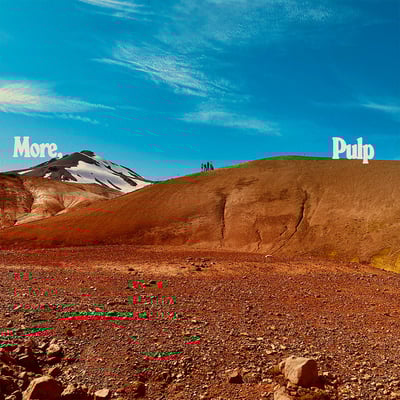
Pulp More
Released Jun 6, 2025 Rough Trade
Established consensus 24 professional reviews Updated Oct 1, 2026
Broadly positive consensus
Pulp's More arrives as a theatrical, bittersweet comeback that stitches together Sheffield identity, rueful autobiography and big-pop craftsmanship into moments that feel both lived-in and celebratory.
How ChoruScore worksCritics' Top Tracks
The songs critics returned to most
Got to Have Love
21 critic mentions
“By the time he’s backed by the galloping thump of "Got to Have Love," he’s fully locked into barn-burner mode” — Paste Magazine
Spike Island
20 critic mentions
“lead single “Spike Island” – a self-aware slice of pulsating disco” — The Line of Best Fit
Tina
20 critic mentions
“Do you remember walking past me in the snow 14 years ago / Or on the escalator last Saturday?” — Under The Radar
Full critic consensus
Pulp's More arrives as a theatrical, bittersweet comeback that stitches together Sheffield identity, rueful autobiography and big-pop craftsmanship into moments that feel both lived-in and celebratory. Across 24 professional reviews the record earned a consensus score of 80.67/100, and critics consistently point to a handful of tracks that turn the album's themes of ageing, desire and nostalgia into its clearest triumphs.
Reviewers agree that opener “Spike Island” functions as the album's triumphant centrepiece, its propulsive bass and anthemic chorus serving as an unmistakable rallying call; “Got to Have Love” and “Grown Ups” are repeatedly named among the best songs on More, balancing Latin-disco exuberance and string-laden grandeur with Jarvis Cocker's mordant wit. Other frequently praised moments include “Tina” and “Farmers Market”, where intimate storytelling and Scott Walker-tinged strings amplify themes of memory, loss and middle-age reflection. Critics praised James Ford's production for giving the arrangements lift while allowing Cocker's narrative voice—equal parts bedroom farce and working-class observation—to remain unmistakably central.
Not every review is unqualified praise: some critics flagged uneven pacing in the album's second half and a few missteps that undercut cohesion. Still, the prevailing critical consensus frames More as a late-career revival that mostly transcends nostalgia, offering several standout tracks that feel poised to join Pulp's canon. For readers asking whether More is good or what the best songs on More are, the answer in the reviews is clear: this collection rewards repeated listens and highlights “Spike Island”, “Got to Have Love” and “Grown Ups” as essential moments.
Track Ratings
How critics rated each track, relative to this album (0-100). Only tracks that made critics feel something are rated.
Spike Island
Tina
Grown Ups
Slow Jam
Farmers Market
My Sex
Got to Have Love
Background Noise
Partial Eclipse
The Hymn of the North
A Sunset
Get the next albums worth your time.
Critic-backed picks in one clean digest. No clutter.
What Critics Are Saying
Deep insights from 24 critics who reviewed this album

Critic's Take
Picking up the thread nearly 24 years after 2001’s We Love Life, Pulp returns with More, where the best songs - especially “Spike Island” and “Tina” - find Jarvis Cocker still a keen social observer. The anthemic “Spike Island”, propelled by an irresistible bass pulse, reads as a near-autobiographical centerpiece, while the intimate “Tina” quietly catalogues obsessive remembrance and longing. Elsewhere, “Grown Ups” pressures the theme of maturity with memorable lines and wit, and the album overall flourishes at the high bar the band set long ago. This is an undated-sounding comeback that offers some of Pulp's strongest material to date.
Key Points
-
The best song, “Spike Island”, stands out for its anthemic propulsion and autobiographical resonance.
-
The album's core strengths are sharp social observation, memorable lyrics, and a clear focus on age and relationships.
Themes

Ho
Critic's Take
In a tone that’s equal parts affectionate and astute, Pulp deliver on the promise of the lead single on More, with “Spike Island” staking out the album’s tearing-down-of-mislabelled-utopianism theme and “Partial Eclipse” offering the record’s purest distillation of Pulp - deep, flippant, epic and earnest. The production by James Ford gives the songs lift, making you want to leap up to almost every song, and Jarvis’s spoken-word turns on “Grown Ups” and “Farmers Market” feel pure boss. There is a lounge-lizard charm to “My Sex” that the reviewer admits is maybe a favourite, while “Got To Have Love” supplies the rallying-call unity that roots the record emotionally.
Key Points
-
The reviewer singles out “Partial Eclipse” as the album’s best distillation of Pulp’s character.
-
The album’s core strengths are vivid production, Jarvis Cocker’s spoken-word turns, and thematic continuity with Pulp’s classic work.
Themes

Critic's Take
Some things take time, and on More Pulp deliver a time-defying, hip-thrusting party record where the best songs cut through with brio. Opener “Spike Island” already feels like a fan favourite, a triumphant return anthem, while “Tina” struts with a Cossack swagger and “A Sunset” closes like perfect end-credits for a motorcycle ride. Jarvis Cocker’s lyrical pen is sharp throughout, and James Ford’s production keeps the details immaculate, which is why the best tracks on More feel both familiar and startlingly new. This is an album that answers what a Pulp record should sound like in 2025 with style and relish.
Key Points
-
‘Spike Island’ stands out as the immediate fan-favourite and triumphant opener that signals Pulp’s return.
-
The album’s core strengths are sharp Jarvis Cocker lyrics, immaculate production, and a mix of familiar Pulp-ness with exploratory sounds ready for live shows.
Themes

Critic's Take
I approached Pulp's More with scepticism, but the record's best songs quickly dispel doubts - chief among them “Spike Island” and the towering “The Hymn of the North”. The album favours songs over nostalgia, and its grand arrangements and dramatic moments make the best tracks on More feel like career highlights rather than retreads. Ultimately, the best songs on More balance wit, humanity and spectacle, making this comeback a genuinely thrilling listen.
Key Points
-
The best song is the career-highlight epic “The Hymn of the North” for its multi-pronged, technicolour grandeur.
-
The album's core strengths are bold arrangements, theatrical vocals, and production that foregrounds the songs over nostalgia.
Themes

Critic's Take
Pulp return on More with a record that insists the best songs are both wry and warm, notably “Farmers Market” and “Grown Ups” which balance humour with real tenderness. Troussé writes in that amused, knowing voice that unpacks Jarvis Cocker's lyricism - he praises how “Farmers Market” finds love among carrier bags and how “Grown Ups” swells into an epic glam swing. The review makes clear that the best tracks on More marry Pulp's characteristic comic-eye storytelling with plaintive, middle-aged pathos, producing some of Jarvis's finest songs in years. This is a comeback that reads less like cashing in and more like a late masterpiece, the sort of album fans will cite when asked about the best tracks on More.
Key Points
-
The best song, "Farmers Market", is singled out as one of Jarvis's finest, mixing heartfelt pathos with comic detail.
-
The album's core strengths are its blend of nostalgia, Northern identity, and Jarvis Cocker's regained vocal and narrative muscle.
Themes
Fa
Critic's Take
Pulp have made an album that does exactly what it promises - More is full of arena-sized anthems and tender storytelling, with “Spike Island” and “Farmers Market” standing out. Lucy’s voice here is celebratory and precise, noting that “Spike Island” is exactly how to do a comeback single and that “Farmers Market” is staggering and perfect. The record mixes big choruses with folky, cinematic touches, and it rewards repeated listens - these are the best songs on More because they fuse Pulp’s old energy with new emotional depth. This feels like a genuine return, not a reheated relic, and those tracks are the clearest proof of that.
Key Points
-
The best song is "Farmers Market" because it is called staggering, perfect, and unlike anything Cocker has delivered before.
-
The album’s core strengths are arena-sized anthems and matured storytelling that blend nostalgia with newfound sincerity.
Themes
mu

Critic's Take
Pulp’s More finds Jarvis Cocker balancing rueful reflection with dancefloor momentum, and the best songs - notably “Grown Ups” and “Got To Have Love” - make that tension sing. Cocker’s blend of existential comedy and bedroom farce surfaces in quotable lines and euphoric grooves, so the best tracks on More feel like grown-up classics reborn. The record wears its fan-service lightly, with “Background Noise” and “Spike Island” trading in echoes of the past while still pushing the band forward. Overall, More is a triumphant comeback that transcends nostalgia and delivers memorable songs that stand up to the Pulp canon.
Key Points
-
Grown Ups is the best track for its forensic lyrics and quotable lines that crystallize the album’s themes.
-
The album’s core strengths are its blend of reflective songwriting and invigorated dancefloor energy that transcends nostalgia.
Themes

Critic's Take
In her vividly observant voice, Elise Soutar argues that Pulp's More finds its best moments in songs like “Spike Island” and “Got to Have Love”, which restore faith in Jarvis Cocker's gift for big pop gestures while still letting the band dwell in lived-in detail. She writes with the same affectionate clarity that frames Pulp as both art project and life chronicle, praising the record's slow-burning anthems and intimate scenes - particularly the trotting shuffle of “Tina” and the sprawling charm of “Grown Ups”. The review positions these tracks as the best songs on More because they balance hooky propulsion with specific, character-driven lyrics that feel decades lived-in. Overall, Soutar makes it plain: if you love Pulp's jagged personality, the best tracks on More will make you glad they returned.
Key Points
-
The best song is best because it combines propulsive hooks with existential, reassuring lyrics that restore faith in Pulp’s return.
-
The album’s core strengths are character-driven storytelling, crafted pop hooks, and a lived-in emotional texture shaped by aging and loss.
Themes

Critic's Take
Pulp return with More, an album that knows how to turn ruefulness into triumph, with songs like “Got To Have Love” and “Farmers Market” standing out. Maura Johnston writes with a measured, revealing tone, praising how Jarvis Cocker’s weathered croon and the band’s homespun strings give these best tracks fresh grandeur. The review presents the best songs on More as works that balance festival-ready sweep and intimate lyricism, making clear why these are the best tracks on More. Ultimately, the record feels like an evolution rather than a retread, and that evolution is what lifts the standout moments into something near-stunning.
Key Points
-
“Farmers Market” is the best song because its delicate arrangement and Cocker’s vocal build create a luminous, near-stunning love song.
-
The album’s core strength is evolving Pulp’s sound—mixing homespun strings, festival-sized grandeur, and lucid reflections on aging and mortality.
Themes

Critic's Take
Pulp’s More feels like a lived-in triumph, led by bright moments such as “Spike Island” and “Grown Ups” that show Jarvis Cocker still has that glam bravado and wry Sheffield humility. The record trades indie disco for a richer palette - the Scott Walker-indebted “Farmers Market” and the squelchy sex-funk of “My Sex” deepen the band’s songwriting without losing their wonky-pop instincts.
Key Points
-
“Spike Island” is best for its glam bravado and status as a comeback peak.
-
The album’s strengths are lived-in songwriting, emotional resonance, and retaining Pulp’s wonky-pop spirit.
Themes

Critic's Take
Pulp's More finds Jarvis Cocker worrying at ageing and memory with a mordant wit, and the best songs - notably “Tina” and “My Sex” - make that unease oddly galvanising. Jeremy Allen writes with a conversational, slightly rueful tone, admiring how “Tina” returns like an apparition and how “My Sex” serves as a brave manifesto of sexual mores. The album's moments of vivid recall - Spike Island excursions and charity-shop reveries - are where the record truly sings, even when bewilderment replaces swagger. This is a Pulp that has lost some of Different Class's spiky certainty but gained a sharper, more rueful perspective on desire and time.
Key Points
-
Tina is best for its apparition-like recall and warm Ennio Morricone soundtrack.
-
The album's strengths are candid reflections on ageing, memory, and unabashed sexual frankness.
Themes

Critic's Take
In a typically wry and affectionate register Daisy Carter finds the best songs on More to be those that marry Pulp’s knack for sly storytelling with real emotional weight. Pulp’s anthemic “Spike Island” is foregrounded as a commanding lead single, while the riff-driven “Grown Ups” and tender “Background Noise” are singled out as the album’s richest rewards. Carter writes with amused frankness about Jarvis Cocker’s raunch and rue, noting how the cello-swathed “Slow Jam” and the creeping “Tina” still deliver the band’s seedy pleasures. The result is an album that rewards repeated listens, offering stealthy, late-blooming bangers rather than immediate hits, and serving as an evolution rather than a nostalgia trip.
Key Points
-
The best song, "Spike Island", stands out as anthemic and shows Jarvis reclaiming performance as destiny.
-
The album’s core strengths are its lyrical focus on mortality and ageing, and its blend of raunchy storytelling with tender sentiment.
Themes

Critic's Take
Mark Beaumont hears Pulp return with an appetite for theatre and craft on More, and he repeatedly flags the best songs as proof - opener “Spike Island”, the wistful “Tina” and the textured closer “A Sunset”. The critic frames these tracks as the album's touchstones, arguing they balance crowd-pleasing familiarity with clear creative advancement. This is a comeback record that both settles old scores and points to new possibilities for Pulp.
Key Points
-
The best song, "Spike Island", crystallises Pulp's classic voice while showing lyrical maturity and event-sized ambition.
-
The album's core strengths are its balance of crowd-pleasing Britpop familiarity and textured, orchestral expansion into new territories.
Themes

Critic's Take
He praises how Cocker transposes Pulp's familiar obsessions into middle-age, so “Tina” and “Background Noise” feel like matured versions of earlier classics. The review insists that the album is not a cash-in or mere placeholder but a genuinely strong comeback, the sort of record that rewards fans rather than converts the sceptical. In short, the best tracks on More combine Pulp's old melodic craft with new, poignant lyrical concerns about love and ageing.
Themes

Critic's Take
On More Pulp return with a warmth and immediacy that makes familiarity thrilling rather than stale, and the best songs show why. The record’s heart is “Grown Ups”, a string-laden, sprawling meditation that distills decades of mundane experience into something transcendent. Yet it is “Got to Have Love” that truly ignites, its Latin disco exuberance and Cocker’s visceral declarations delivering the most electrifying moment. Opening track “Spike Island” charms immediately with shimmering percussion and invites the listener in, while “Partial Eclipse” impresses with a moody, cinematic outro that lingers like a title-card score.
Key Points
-
Got to Have Love stands out for its Latin disco exuberance and emotional clarity, making it the album's highlight.
-
More's core strengths are its warm, cinematic string arrangements and the way familiarity is rendered thrilling and contemporary.
Themes
Re
Critic's Take
Jarvis Cocker still writes with that exacting eye for the small, sensual and absurd, so “Farmers Market” feels exquisite and skyward while “Tina” is glorious, baroque indie-pop that provokes cheers. These tracks show why the record, a tribute to Steve Mackey, finds positivity in love, nature and community and promises to sound huge live.
Key Points
-
“Farmers Market” is the best track because its sparse arrangement and plea to live give the album its emotional peak.
-
The album’s core strengths are vivid storytelling about growing up, sensual detail, and an emotional throughline honoring place and friendship.
Themes

Critic's Take
Pulp return on More is, in the reviewer’s voice, a palpable relief and a worthy continuation of their past. He names “Farmers Market” as a standout - a mature, bittersweet centrepiece that might be the best thing they’ve ever done. The writing applauds Jarvis Cocker’s conversational delivery elsewhere, noting moments like “Slow Jam” where he casually mentions speaking to Jesus, and it frames the album as authentic rather than trend-chasing.
Key Points
-
The best song is "Farmers Market" because it combines melancholy piano, swelling strings, and mature, bittersweet lyricism to moving effect.
Themes

Critic's Take
Pulp’s More is a melancholic, orchestral reckoning with ageing, and the best songs - notably “The Hymn of the North” and “Spike Island” - underline that payoff with elegiac sweep and wit. Jarvis Cocker’s lyricism still turns kitchen-sink dramas into epics, and the centrepiece “The Hymn of the North” is where everything clicks, sentimental and autumnal. Elsewhere, “Spike Island” skewers rock mythology with knowing humour, while tracks like “Tina” and “Farmer’s Market” deliver Scott Walker-tinged strings and quiet longing. The record rewards listeners who came of age with the band, even as it quietly misses the old perverse, glam impulses that once made Pulp jaggedly thrilling.
Key Points
-
“The Hymn of the North” is the album’s emotional centrepiece where orchestration and sentiment culminate.
-
More’s core strengths are its orchestral arrangements, Jarvis Cocker’s character-driven songwriting, and a melancholic take on ageing.
Themes
Critic's Take
Pulp sound, at its most reconciled, shines across More, and Dom Gourlay singles out high points with affection and authority. He leans into the jubilant opener “Spike Island” and the lustful pull of “Tina”, praising their immediacy, while championing the dancefloor-ready “Got to Have Love” as a rightful successor to past bangers. The review reads like a band reunited with purpose - elegiac where needed, celebratory when warranted - which is why queries about the best songs on More naturally return these tracks. Gourlay frames the album as having more peaks than troughs, a late flourish that sits comfortably alongside Pulp’s classic era.
Key Points
-
The best song is "Got to Have Love" because it is likened to a career-defining dancefloor banger with clear crowd-pleasing intent.
-
The album’s core strengths are its blend of nostalgia and renewed vitality, strong songwriting, and confident performances rooted in Pulp’s classic era.
Themes

Critic's Take
Pulp return on More sounding exactly like the laureate of horny, rueful adolescence Mina Tavakoli has long admired, and the best songs - especially “My Sex” and “A Sunset” - act as the record's clearest exemplars of that bleakly comic project. Tavakoli leans into the band's baroque-pop suavity and rakish wit, praising tracks that map desire, shame, and revelation with theatrical relish. The reviewer foregrounds how these songs keep Cocker's lifelong theme - sex as a rough pedagogy - at the album's beating center, making the best tracks feel both familiar and freshly cruel. This is an album that knows its strengths and deploys them, song by song, with the consolations and embarrassments of adulthood intact.
Key Points
-
The best song exemplifies Cocker's lifelong fixation on sex as both subject and motor of narrative.
-
The album's core strengths are its rakish wit, baroque-pop arrangements, and persistent focus on coming-of-age erotics.
Themes

Critic's Take
In this review Steve Erickson hears Pulp returning on More with brittle reflection, and he singles out songs that still cut. Pulp sound most alive on “Spike Island”, where Jarvis wrestles with fame and confesses, and on the baroque flourish of “The Hymn of the North” which the critic praises as a full-on celebration of roots. He also flags “Slow Jam” and “Got to Have Love” for their funk and disco nods, even as the album’s second half is described as slow and lumbering. The verdict: charms remain, especially in those best tracks, but the record often runs out of steam.
Key Points
-
“Spike Island” is best because it confronts fame with sharp, memorable lines and reintroduces Pulp compellingly.
-
The album’s core strengths are Jarvis Cocker’s character studies, dark wit, and occasional stylistic nods to funk and baroque-pop.
Themes

Critic's Take
Pulp return with More, a record that often looks backwards with rueful affection yet rarely recaptures former highs. The reviewer's eye lands on “Partial Eclipse” and “Slow Jam” as the album's clearest successes, tender and affecting compositions that best answer the question of the best songs on More. By contrast “My Sex” is called out as genuinely awful, a misstep that undercuts the record's cohesion. The closer “A Sunset” sums up the album's problem - charming, deeply British moments that run out of steam rather than land decisively.
Key Points
-
The best song, "Partial Eclipse", succeeds as a tender, Roy Woodesque ballad and the emotional high point.
-
The album's core strengths are evocative, deeply British imagery and moments of genuine tenderness, tempered by overblown orchestration and uneven missteps.