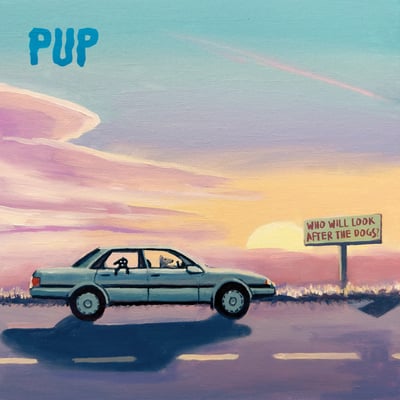
PUP Who Will Look After The Dogs?
Released May 2, 2025 Rise Records
Established consensus 8 professional reviews Updated Feb 21, 2026
Mostly positive consensus
PUP's Who Will Look After The Dogs?
How ChoruScore worksCritics' Top Tracks
The songs critics returned to most
Hallways
7 critic mentions
“The hopeful sentiment secretly holstered in the title, explored on “Hallways”, finds vocalist Stefan Babcock digging for reasons to continue” — The Line of Best Fit
Hallways (title line)
1 critic mention
“But I can't die yet, 'cause who will look after the dog?” — Exclaim
Get Dumber - feat. Jeff Rosenstock
7 critic mentions
“When vindictive detractors once again taunt him on "Get Dumber," he doesn’t take the bait” — Pitchfork
Full critic consensus
PUP's Who Will Look After The Dogs? finds the band trading bratty bravado for a sharper, bittersweet focus that frames middle-age malaise with jagged pop-punk hooks. Across eight professional reviews the consensus suggests the record mostly succeeds: critics awarded a 71.83/100 average, noting both its combustible crescendos and moments of rueful restraint. Vocal grit and dark humour remain, but quieter cuts and mid-tempo anthems emerge as the album's emotional center.
Reviewers consistently point to “Hallways” as a defining moment, praising its crystalline title line and plaintive melody, while “Get Dumber - feat. Jeff Rosenstock” and “No Hope” supply cathartic noise and guest-fuelled chaos. Other tracks that critics singled out as standout songs include “Needed To Hear It”, “Falling Outta Love” and “Concrete”, which together map the record's pendulum between garage-demo immediacy and arena-ready singalongs. Recurring themes across reviews include sincere emo influences, dark humour and self-deprecation, friendship and camaraderie, and an honest grappling with aging, trauma and economic precarity.
While some critics flagged inconsistent production and an uneven opening sequence, most reviews converge on a tempered, affectionate verdict: Who Will Look After The Dogs? is not PUP's peak but it reaffirms their knack for turning self-loathing and nihilism into exhilarating, often tender punk. For readers asking if the album is worth listening to, the critical consensus suggests plenty of high points worth seeking out, and the best songs on Who Will Look After The Dogs? make the record a compelling, if occasionally messy, chapter in the band’s catalogue.
Track Ratings
How critics rated each track, relative to this album (0-100). Only tracks that made critics feel something are rated.
No Hope
Olive Garden
Concrete
Get Dumber - feat. Jeff Rosenstock
Hunger For Death
Needed To Hear It
Paranoid
Falling Outta Love
Hallways
Cruel
Best Revenge
Shut Up
Get the next albums worth your time.
Critic-backed picks in one clean digest. No clutter.
What Critics Are Saying
Deep insights from 10 critics who reviewed this album

Critic's Take
PUP's fifth LP, Who Will Look After The Dogs?, is crunchy, self-deprecating and stadium-ready, with standout moments that make you want to know the best tracks on Who Will Look After The Dogs?. The reviewer's enthusiasm lands squarely on “No Hope” for its explosive opening and anthemic chorus, and on “Hallways” as a clear winner - a contender for one of PUP's best songs ever thanks to its crystalline, title-giving line. Overall, the album balances hefty production choices with vulnerable lyricism to deliver PUP at their most blunt and affecting.
Key Points
-
The best song is "Hallways" because it combines a crystalline lyric with emotional resonance and supplies the album's title line.
-
The album's core strengths are anthemic choruses, raw vulnerability, memorable guitar work, and punchy production that balance accessibility with punk aggression.
Themes

Critic's Take
PUP sound, on Who Will Look After The Dogs?, like a sunny day edged by a storm, where the best songs mix tenderness and bite. The review singles out “Hallways” and “Best Revenge” as tracks that refresh the band's palette, and it notes how “Olive Garden” carries that witty, unserious attitude that never gets old. There is praise for the balance between upbeat pop-punk foundations and lingering emo influences, which is why many listeners will search for the best tracks on Who Will Look After The Dogs? and find these standouts compelling. The record tugs at the heartstrings while still leaping through fields of melancholy, making its top songs feel both familiar and newly vital.
Key Points
-
The best song(s) stand out by blending pop-punk energy with atypical, melancholic nuances, notably “Hallways” and “Best Revenge”.
-
The album’s core strengths are its bittersweet storytelling, balance of upbeat foundations with emo influences, and a refreshing, witty tone.
Themes

Ke
Critic's Take
PUP sound more raw and unflinching on Who Will Look After The Dogs? than on previous records, the album's best songs - notably “No Hope” and “Get Dumber - feat. Jeff Rosenstock” - splice personal trauma with the band's morbid, maudlin humour. Mischa Pearlman's prose is fond of the comic and the catastrophic, and here that voice elevates the moments where Stefan Babcock's unraveling becomes urgent rather than merely theatrical. If you want to know the best tracks on Who Will Look After The Dogs?, listen for those songs that turn existential questions into fist-pumping punk without losing their bleak wit. These are the cuts that make the record feel intensely personal and viscerally alive.
Key Points
-
The best song(s) distill Stefan Babcock's personal unraveling into punchy, bleakly funny punk.
-
The album's core strengths are its raw personal themes, dark humour, and intensified emotional directness.
Themes


Critic's Take
PUP have swapped bratty bravado for a measured reckoning on Who Will Look After the Dogs? The reviewer's tone stays empathetic and wry, noting that quieter cuts like “Needed to Hear It” and “Shut Up” emerge as the album's best songs by proving the band can age without selling out. There is still bite in tracks such as “Concrete” and “Cruel”, but it's the slower, mid-tempo romps that stick, giving this record its surprising heart. The voice here is affectionate and evaluative, rooting for growth even as it mourns the loss of old party thrills.
Key Points
-
The best song is the closer "Shut Up" because its intimate production and band unity emotionally rescue the album.
-
The album's core strengths are honest reflections on aging and tighter, more mature songwriting that favors slower, mid-tempo tracks.
Themes

Critic's Take
Rob Sheffield’s voice stays wry and affectionate, noting Stefan Babcock’s knack for self-sabotaging one-liners and big-pop-punk choruses that land hard. The review points to “Olive Garden” as a surprise sincere love song, while the title’s running themes of break-ups, breakdowns, and dogged loyalty tie the record together. This is an album where the best tracks on Who Will Look After The Dogs? balance miserablist lyrics with uplift, and that balance is what makes these songs stick.
Key Points
-
The best song is "Hallways" because it pairs high-speed hooks with a life-affirming, memorable chorus.
-
The album's core strengths are darkly honest lyrics balanced by warm camaraderie and sing-along punk energy.
Themes

Critic's Take
PUP's fifth album, Who Will Look After The Dogs?, feels like a band reconciling with itself, equal parts frazzled and resolute. The reviewer's ear is caught by the quieter introspection in “Hallways” and the lyrical wit of “Concrete”, which make them two of the best songs on the album. Overall, it is the same prickly PUP, sharpened by clarity and maturity, delivering focused intensity and songs that linger.
Key Points
-
The best song is the closer “Shut Up” because it culminates the album's reflective, gut-spilling arc.
-
The album's core strengths are focused intensity, lyrical wit, and a balance of frazzled cacophony with mature clarity.
Themes

Critic's Take
In a voice that still bristles with caustic self-pity, PUP make Who Will Look After The Dogs? feel like a bruised, honest middle-aged burnout trip. The record's best tracks - notably “No Hope” and “Hallways” - sell that aching sincerity, trading pogo-punk gloss for a sadder, sturdier conviction. There are missteps, from the abrasive single “Olive Garden” to occasional artless candour, but the album’s core strength is its unsettling, believable wearying of spirit. This is not peak PUP, yet these songs are the best evidence the band still know how to make emotional damage sound like art.
Key Points
-
"No Hope" best exemplifies the album's sincere, burned-out emotional core.
-
The album's core strength is its raw, believable middle-aged fatigue and painful sincerity.
Themes
Pu
Critic's Take
PUP sound like a band split between messy charm and vintage hooks on Who Will Look After The Dogs? The review points to best songs like “Needed To Hear It” and “Paranoid” as the record's saving graces, songs that deliver the melodic punk and singalong cynicism fans want. The writer grumbles about production and B-side vibes on early tracks such as “No Hope” and “Olive Garden”, yet insists the middle sequence - including “Falling Outta Love” and “Hallways” - restores the album's momentum. Ultimately the verdict is tempered affection: a record with strong moments but inconsistent execution.
Key Points
-
The best song is best because it delivers vintage PUP melodic punk and restores the album's momentum.
-
The album's core strengths are the band's singalong cynicism and anthemic melodic punk, offset by inconsistent production and garage-demo moments.