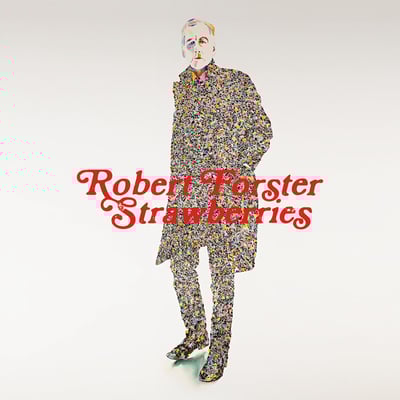
Robert Forster Strawberries
Released May 23, 2025 Tapete Records
Established consensus 5 professional reviews Updated Nov 29, 2025
Strong critical consensus
Robert Forster's Strawberries gathers his wry observational gifts into a quietly adventurous collection that critics call both consoling and inventive.
How ChoruScore worksCritics' Top Tracks
The songs critics returned to most
Breakfast on the Train
4 critic mentions
“Beginning with just his guitar and laconic drawl, Forster spins out the tale of a night of loud hotel sex into a poignant epic” — Uncut
Strawberries
5 critic mentions
“The breezy title track, indebted to The Lovin’ Spoonful, repeatedly wonders “ what can ordinary be? ” with a sense of blithe curiosity.” — Uncut
Diamonds
4 critic mentions
“All of Forster’s explorations come to a head with “ Diamonds ”, a love song which begins as a kind of Velvet Underground pastorale” — Uncut
Full critic consensus
Robert Forster's Strawberries gathers his wry observational gifts into a quietly adventurous collection that critics call both consoling and inventive. Across five professional reviews the record earned an 84.8/100 consensus score, with writers repeatedly pointing to the storytelling craft and melodic economy that make songs like “Breakfast on the Train”, “Strawberries” and “Diamonds” immediate highlights.
Reviewers consistently praise Forster's story-oriented songwriting and domestic intimacy, noting how “Breakfast on the Train” unfolds into an almost cinematic eight-minute centrepiece while the title duet “Strawberries” balances 1950s perkiness with wistful retrospection. Critics also single out “Foolish I Know” and “Such a Shame” for their delicate melodies and emotional directness, and many comment on the playful, experimental touches - from Swedish collaborators to free-jazz flourishes on “Diamonds” - that push the record beyond tidy nostalgia.
While praise focuses on Forster's maturity, melodic restraint and sharp character studies, some reviews temper enthusiasm by noting the album rewards attention rather than instant hooks. The critical consensus suggests Strawberries is worth listening to for fans of carefully wrought songcraft and narrative detail, offering a balance of melancholy, everyday joy and sonic curiosity. Below, the full reviews map how these standout tracks and themes form the album's quietly persuasive narrative.
Track Ratings
How critics rated each track, relative to this album (0-100). Only tracks that made critics feel something are rated.
Tell It Back to Me
Good to Cry
Breakfast on the Train
Strawberries
All of the Time
Such a Shame
Foolish I Know
Diamonds
Get the next albums worth your time.
Critic-backed picks in one clean digest. No clutter.
What Critics Are Saying
Deep insights from 6 critics who reviewed this album

Critic's Take
Robert Forster's Strawberries contains some of his sweetest work, with “Tell It Back to Me” and “Breakfast On The Train” standing out as the best songs on Strawberries for their vivid storytelling and deadpan charm. Wirth's voice delights in the album's unforced joy and playful place after darker times - he praises the title duet with Karin Bäumler and the audacious closer “Diamonds” for adding jagged colour. The reviewer frames the record as a celebration of living and loving harder, making these tracks the clearest exemplars of Forster's renewed freedom and craft.
Key Points
-
Tell It Back To Me is best for its sun-spangled storytelling and evocative details.
-
The album's strengths are vivid, story-oriented songwriting and a joyous, life-affirming tone despite mortality's shadow.
Themes

Critic's Take
Robert Forster writes with a wry, observational clarity on Strawberries, and the reviewist singles out songs like “Strawberries” and “Breakfast on the Train” as the album's clearest pleasures. The tone is measured and appreciative, noting how these best tracks on Strawberries trade autobiography for sharper storytelling and melody. The reviewer emphasizes economy of line and a gentle melancholy that makes “Strawberries” a particular standout. Overall the piece steers readers toward those songs when asking about the best songs on Strawberries because they crystallize Forster's strengths.
Key Points
-
The title track “Strawberries” is presented as the best song because it crystallizes Forster's narrative clarity and melodic focus.
-
The album's core strengths are concise storytelling, melodic economy, and a measured, wistful tone that favors songcraft over autobiography.
Themes

Critic's Take
Robert Forster's Strawberries is at its best when it stretches small moments into grand narratives, most notably on “Breakfast On The Train” and “Diamonds”. Kitty Empire revels in Forster's laconic detail as a strength, praising the nearly eight-minute sweep of “Breakfast On The Train” and the eruptive free-jazz climax of “Diamonds”. The review also flags playful highlights like “Good To Cry” and the wistful “Foolish I Know”, noting a band experimenting with tempo and colour. Overall, Empire frames the album as a craftsmanly, exploratory record that rewards attention, making clear which tracks stand out as the best songs on Strawberries.
Key Points
-
“Breakfast On The Train” is the standout for its narrative sweep, intimate detail and near-eight-minute emotional arc.
-
The album's core strengths are craft in songwriting, playful experimentation with band textures, and turning everyday scenes into resonant vignettes.
Themes


Critic's Take
In his wry, anecdotal fashion Darryl Sterdan frames Robert Forster's Strawberries as an album of elegant story songs where the best tracks unfold like short films. Sterdan singles out “Breakfast On The Train” as the obvious centrepiece, praising its almost eight-minute, cinematic sweep, and he champions “Foolish I Know” as one of Forster's bravest, most beautiful songs. The review also highlights “Such A Shame” for Louis Forster's lyrical lead guitar and the bold, unexpected closing of “Diamonds” as proof of Forster's sonic restlessness. Read together, these observations answer queries about the best tracks on Strawberries by pointing to those four songs as the album's emotional and musical peaks.
Key Points
-
‘Breakfast On The Train’ is the album's centrepiece because of its cinematic scope and emotional heft.
-
The album’s strengths are economical storytelling, character-focused songs, and occasional bold sonic departures.
Themes

Critic's Take
Robert Forster serves up plainspoken charm on Strawberries, and the title track “Strawberries” emerges as the best song, a duet that oozes 1950s perkiness while carrying Forster's wistful undertow. The reviewer delights in the homey specificity of “Strawberries” - Karin Baumler's answering line and the unironic, self-shot video make it a clear standout. The write-up also frames the record as a gentle rejoinder to bleakness, so listeners searching for the best tracks on Strawberries should start with “Strawberries” and then enjoy the album's steady embrace of ordinary pleasures. The tone is affectionate and slightly amused, presenting these songs as modest, well-crafted consolations rather than grand pronouncements.
Key Points
-
The title track “Strawberries” is best for its charming duet, vintage perkiness, and warm domestic imagery.
-
The album's core strength is its affectionate, wry celebration of ordinary pleasures and mature, sincere songwriting.