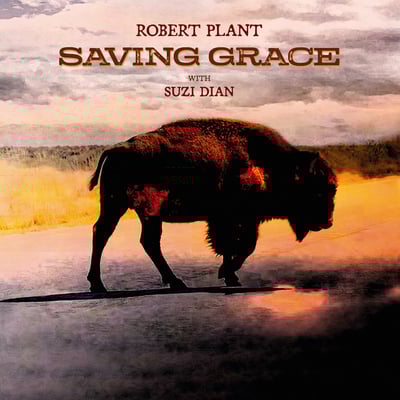
Robert Plant Saving Grace
Released Sep 26, 2025
Established consensus 6 professional reviews Updated Nov 22, 2025
Broadly positive consensus
Robert Plant's Saving Grace arrives as a quietly triumphant return to roots, where pastoral tones, bluesy grooves and communal harmony reshape traditional material into striking new forms.
How ChoruScore worksCritics' Top Tracks
The songs critics returned to most
Everybody's Song
6 critic mentions
“the most striking offering on Saving Grace is its most primal, namely their savage version of Low's "Everybody's Song” — Uncut
I Never Will Marry
6 critic mentions
“Together with the traditional "Never Will I Marry", they represent the best examples of Dian and Plant singing in harmony” — Glide Magazine
Everybody's Song (origins note)
1 critic mention
“The track was originally by Minnesota outfit Low , led by Alan Sparhawk and the late Mimi Parker” — Record Collector
Full critic consensus
Robert Plant's Saving Grace arrives as a quietly triumphant return to roots, where pastoral tones, bluesy grooves and communal harmony reshape traditional material into striking new forms. Across six professional reviews the record earned an 81.67/100 consensus score, and critics consistently point to the album's collaborative spirit and intimate arrangements as its chief strengths.
Reviewers agree that the best songs on Saving Grace crystallize when Plant shares the lead and lets ensemble textures breathe. “Everybody's Song” and “Ticket Taker” emerge repeatedly as standout tracks, praised for their hypnotic drones, reimagined melodies and the push-pull between British folk sensibility and American blues and gospel. Critics from AllMusic, Mojo and Uncut highlight moments like the near a cappella “I Never Will Marry” and the gospel-tinged “Soul Of A Man” as evidence of the band's knack for reverent reinvention and evocative vocal interplay.
While the consensus leans positive, reviews temper enthusiasm with notes about restraint: the collection favors careful curation over reinventing the wheel, privileging intimacy and texture rather than bombast. Some critics call the record gently revelatory for its humility and the way Plant cedes space to Suzi Dian and the band, making the album feel like a communal field recording brought into polished focus. For those asking whether Saving Grace is worth listening to, the critical consensus suggests it is a rewarding listen for fans of folk, blues and well-executed reinterpretation.
Expect the full reviews below to unpack how the record's themes of tradition versus reinvention, English regionalism and gospel-blues lineage shape Plant's most assured work in years.
Track Ratings
How critics rated each track, relative to this album (0-100). Only tracks that made critics feel something are rated.
Chevrolet
As I Roved Out
It's A Beautiful Day Today
Soul Of A Man
Ticket Taker
I Never Will Marry
Higher Rock
Too Far From You
Everybody's Song
Gospel Plough
Get the next albums worth your time.
Critic-backed picks in one clean digest. No clutter.
What Critics Are Saying
Deep insights from 7 critics who reviewed this album

Critic's Take
He also highlights the tender close of “Gospel Plough” and the plaintive take on “It's A Beautiful Day Today”, framing these songs as evidence that Plant's best move was to come home and let his band shine.
Key Points
-
“Everybody’s Song” is best for its savage, apocalyptic reinvention and daring arrangement changes.
-
The album’s core strengths are rooted in intimate collaboration, humble arrangements, and a return-to-roots reinterpretation of folk and blues.
Themes

Critic's Take
On Robert Plant's Saving Grace the best songs emerge from collaboration and vocal interplay, notably “I Never Will Marry” and “Higher Rock”. The reviewer's ear lingers on the haunting, nearly a cappella “I Never Will Marry” and the Dian-led urgency of “Higher Rock”, both singled out as high points. Covers like “It’s a Beautiful Day Today” and the roaring “Everybody's Song” show how the band balances subtle, pastoral moments with spikes of intensity. The record reads as a comfortable, stripped-down collection that lets these standout tracks shine through the ensemble's chemistry.
Key Points
-
The best song, "I Never Will Marry", is strongest for its haunting, nearly a cappella delivery and emotional intimacy.
-
The album's core strengths are collaborative vocal interplay, rooted folk traditions, and a pastoral, stripped-down production that allows standout tracks to breathe.
Themes

Critic's Take
Robert Plant’s Saving Grace is a spellbinding, mellifluous fusion of folk, country and blues that finds its best tracks in intimate reimaginings like “Chevrolet” and “As I Roved Out”. The mesmerising opener “Chevrolet” hypnotises with a rolling snare and raspy yet tender vocals, while “As I Roved Out” showcases sublime harmonies with Suzi Dian that feel both understated and magical. Elsewhere, the psychedelic shimmer of “It’s A Beautiful Day Today” and the gospel grandeur of “Soul Of A Man” emerge as standout moments, each revitalised with modern clarity. Overall, the album is intimate, emotional and transcendental, a warm mosaic that reawakens roots music with fresh vitality.
Key Points
-
The best song is the mesmerising opener “Chevrolet” because of its hypnotic beat and tender, raspy vocal delivery.
-
The album's core strengths are intimate reimaginings, rich instrumental textures, and luminous harmonies that modernise traditional roots songs.
Themes
mu

Critic's Take
Robert Plant arrives on Saving Grace sounding guileless and magisterial, the best tracks - “Ticket Taker” and “Everybody's Song” - turning his musicology into magic. McNair revels in the way Plant cedes leads and re-invents material, praising the duet turns and the psychedelic raga of “Everybody's Song”. The review presents Saving Grace as intimate, warmly collaborative and revelatory, with Suzi Dian and bandmates sharpening the album's folk-blues shine. This is Plant as enthused guide, handing over batons while still blowing raw harp on highlights like “Ticket Taker”.
Key Points
-
The best song, “Everybody's Song”, stands out for being re-invented as a psychedelic raga.
-
The album's core strengths are intimate collaboration, reverent reinterpretation, and Plant's musicological curiosity.
Themes
Re
Critic's Take
Robert Plant relaxes into a rootsy groove on Saving Grace, where the best songs - “Soul Of A Man”, “Ticket Taker” and “Everybody's Song” - show his gift for tasteful reinterpretation and harmonic rapport. The record often recalls the acoustic excursions of Led Zeppelin III, marrying British folk sensibility with American songbook choices, and it is on tracks like “Soul Of A Man” that Plant’s seasoned voice and the band’s subtle arrangements truly sing. Suzi Dian’s duets and solo leads, especially on “Ticket Taker” and “Too Far From You”, provide fresh colours that make the best tracks feel both reverent and renewed. This is an album of careful curation rather than chest-beating, and those searching for the best tracks on Saving Grace will find them in these highlighted moments.
Key Points
-
The best song is "Soul Of A Man" because its classic pedigree and Plant’s delivery make it a standout reinterpretation.
-
The album’s core strengths are tasteful curation and strong vocal interplay, blending British folk and American songbook traditions.
Themes

Critic's Take
Robert Plant returns with Saving Grace, a record stitched from partnership and humility where the best songs are the ones that foreground harmony. Opener “Chevrolet” and the closing “Gospel Plough” bookend an album that uses drone, polyrhythms, and rustic instrumentation to lift traditional material into a fresh communal sound. The result is not revelatory in repertoire, but superbly executed and increasingly resonant on repeat plays.
Key Points
-
The album’s core strengths are partnership, harmony vocals, and tasteful arrangements that refresh traditional folk, blues, and gospel.