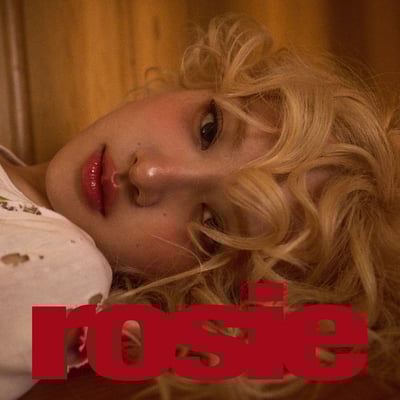
Rose rosie
Released Dec 6, 2024 Atlantic Records
Consensus forming 4 professional reviews Updated Dec 29, 2025
Mostly positive consensus
Consensus is still forming across 4 professional reviews. Rose's rosie announces a solo identity that trades K-pop gloss for intimate songwriting and pop ambition, and critics largely agree the record contains striking high points even as its cohesion divides opinion.
How ChoruScore worksCritics' Top Tracks
The songs critics returned to most
APT.
4 critic mentions
“The punchy energy of ‘APT.’, the album’s breakout hit featuring Bruno Mars, allows her voice to cut through” — New Musical Express (NME)
drinks or coffee
4 critic mentions
“On ‘Drinks Or Coffee’, she adopts a flirtatious tone that feels as light as the Afrobeats-inspired rhythms” — New Musical Express (NME)
stay a little longer
4 critic mentions
“the pretty piano ballad ‘Stay A Little Longer’, where her voice is at its most resonant” — New Musical Express (NME)
Full critic consensus
Rose's rosie announces a solo identity that trades K-pop gloss for intimate songwriting and pop ambition, and critics largely agree the record contains striking high points even as its cohesion divides opinion. Across four professional reviews the album earned a 71.25/100 consensus score, with reviewers repeatedly singling out songs that showcase Rosé's vocal presence and emotional candor.
Critics consistently praise standout tracks such as “APT.”, “number one girl”, “drinks or coffee” and “stay a little longer” for different reasons: Pitchfork and Clash point to “APT.” and “Toxic Till the End” as the record's most energizing moments, NME highlights the piano-led vulnerability of “number one girl” and the Afrobeats flirt of “drinks or coffee”, while Rolling Stone names quieter cuts like “Stay a Little Longer” among the album's inviting moments. Reviewers note recurring themes of breakup, anxiety, heartache, and a blend of darkness and light, with careful production that sometimes enhances and sometimes softens Rosé's emotional immediacy.
While two reviews frame rosie as a near-triumph that cements her solo voice and delivers pop peaks, another voice finds the record leaning on nostalgic references and occasional thinness. The critical consensus suggests rosie is worth attention for its best songs and vocal moments even if the album's genre shifts and moments of sameness temper its overall impact. Below, detailed professional reviews unpack those tensions and the tracks critics repeatedly name among the best on rosie.
Track Ratings
How critics rated each track, relative to this album (0-100). Only tracks that made critics feel something are rated.
number one girl
3am
two years
toxic till the end
drinks or coffee
APT.
gameboy
stay a little longer
not the same
call it the end
too bad for us
dance all night
Get the next albums worth your time.
Critic-backed picks in one clean digest. No clutter.
What Critics Are Saying
Deep insights from 5 critics who reviewed this album

Critic's Take
Rose strips back the K-pop gloss on rosie, and the best songs – notably “Number One Girl”, “Drinks Or Coffee”, and “APT.” – reveal why this debut works: intimate songwriting, candid vulnerability, and a voice that both aches and flirts. The reviewer lingers on “Number One Girl” as a striking piano opener that captures insecurity, while “Drinks Or Coffee” is praised for its flirtatious Afrobeats sway and “APT.” for punchy, pop-punk energy. Overall the best tracks are those that let Rosie sound human, unvarnished, and emotionally specific, turning everyday heartbreak into quietly powerful pop.
Key Points
-
The best song, "Number One Girl", is the album’s most unguarded moment and sets the intimate tone.
-
The album’s core strengths are candid vulnerability, intimate songwriting, and Rosé’s versatile, willowy voice.
Themes

Critic's Take
ROSÉ arrives with rosie, a carefully wrought solo statement where the best songs - particularly “number one girl”, “APT.” and “stay a little longer” - reveal both vocal bravura and emotional subtlety. Murray praises the record as littered with towering pop peaks, noting how “number one girl” lingers on her incredible chops and how “APT.” functions as an unyielding international hit. The review highlights quieter wins too, such as the affecting balladry of “stay a little longer”, arguing these moments balance the album’s disco and pop burners. Overall the critic frames rosie as a triumph that cements ROSÉ’s solo epoch and exceeds expectations.
Key Points
-
“APT.” is the standout for its international hit potential and clear positioning as the album’s most widely known moment.
-
The album’s core strengths are careful production, vocal bravura, and a balance between high-energy pop and affecting balladry.
Themes


Critic's Take
Rosé arrives on rosie with an appealing, chameleonic pop sensibility, and the best songs — especially “Two Years” and “Not The Same” — crystallize that. Maura Johnston’s voice admires how “Two Years” seethes with lost time and how “Not The Same” turns accusation into a boiling-point bridge, making them the best tracks on rosie. The album’s lighter moments, like “Stay a Little Longer” and the punchy “APT.”, keep the record inviting even as it interrogates anxiety and heartbreak. Overall, Johnston frames Rosé as a captivating center whose songwriting and vocal directness make these songs standouts.
Key Points
-
The best song is "Two Years" because its luminous synth-pop and seething undercurrent reveal Rosé’s emotional core.
-
The album’s core strengths are Rosé’s winsome vocals, versatile pop songwriting, and a lightness that keeps angst inviting.
Themes

Critic's Take
Alex Ramos writes with a measured, critical eye that lands on a few true standouts while finding rosie wanting overall. The review praises the lead single “APT.” as proof of Rosé's vocal strengths and names the energetic four-song center including “Toxic Till the End” as the album's most interesting arc, yet the critic insists Rose's debut rosie leans on dated pop references and thinly sketched heartache. The tone is analytical and somewhat disappointed, pointing to moments like “Drinks or Coffee” and “Gameboy” that flirt with personality but ultimately fail to define her. This is a review that will answer searches for the best songs on rosie by highlighting “APT.” and “Toxic Till the End” as the record's high points while arguing the album as a whole falls short.
Key Points
-
The best song is “APT.” because it showcases Rosé's vocal power and feels infectious.