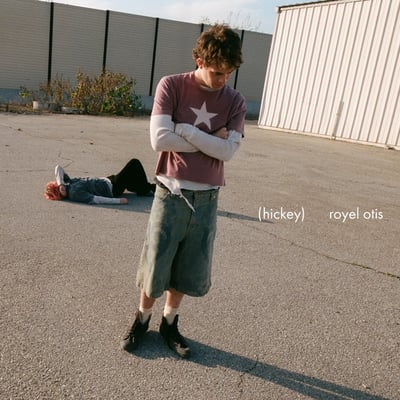
Royel Otis hickey
Released Aug 22, 2025 Ourness / Capitol Records
Established consensus 5 professional reviews Updated Nov 24, 2025
Mostly positive consensus
Royel Otis's hickey arrives as a sun-soaked, lo-fi ode to young adulthood that leans into both vulnerable storytelling and danceable indie-pop, earning a measured but favorable reception.
How ChoruScore worksCritics' Top Tracks
The songs critics returned to most
car
5 critic mentions
“The album’s love bite of a title gets a reference on the chugging single "Car", in which the singer ends a relationship built on "cruisin' through the streets all night/ Still bruisin' from your chalk skin bites.” — The Independent (UK)
dancing with myself
5 critic mentions
“Pretty pings of guitar are scattered like refractions from a disco ball through the boppable "Dancing with Myself", on which the lovelorn Pavlovic accepts that, post-split, he’s going to take to the dance floor alone.” — The Independent (UK)
good times
4 critic mentions
“On "Good Times", they bounce from a beat borrowed from Hall & Oates’ 1981 hit "I Can’t Go For That", Pavlovic’s breezy layers of vocal floating above echoey percussion” — The Independent (UK)
Full critic consensus
Royel Otis's hickey arrives as a sun-soaked, lo-fi ode to young adulthood that leans into both vulnerable storytelling and danceable indie-pop, earning a measured but favorable reception. Across five professional reviews the record garnered a 69/100 consensus score, with critics repeatedly pointing to its summer anthems, minimalist songwriting and 80s/90s-inflected sonic experiments as the album's chief assets and occasional liabilities.
Critics consistently name “car”, “i hate this tune” and “good times” among the best songs on hickey, while “dancing with myself” and “she's got a gun” surface as live-ready highlights. Reviewers praise Pavlovic's hazy vocals, the duo's collaborative lifts and shimmering synth-guitar textures that craft sun-soaked immediacy; Paste and NME highlight the record's knack for pairing wistful moods with higher-energy heartbreak. At the same time several critics flag uneven moments and lyrics that flirt with problematic ex behavior, a tension that keeps the album from feeling uniformly confident.
Taken together, professional reviews present hickey as a warmly persuasive step for Royel Otis that balances nostalgia, intimacy and low-key pop craft. For anyone searching for the best songs on hickey or wondering what critics say about the record, the consensus suggests memorable hooks and live-ready highlights make it worth a listen, even as some tracks undercut the album's momentum.
Track Ratings
How critics rated each track, relative to this album (0-100). Only tracks that made critics feel something are rated.
i hate this tune
moody
good times
torn jeans
come on home
who’s your boyfriend
car
shut up
dancing with myself
say something
she’s got a gun
more to lose
jazz burger
Get the next albums worth your time.
Critic-backed picks in one clean digest. No clutter.
What Critics Are Saying
Deep insights from 6 critics who reviewed this album


Critic's Take
Royel Otis sound fully comfortable on hickey, and the best songs here - notably “Car”, “Say Something” and “Good Times” - crystallise their sun-soaked, minimalist pop. Liberty Dunworth’s account praises woozy guitar lines, shimmering synths and Pavlovic’s hazy vocals as the glue that makes those tracks linger, while also noting moments like “Who’s Your Boyfriend” that hint at bolder horizons. The record’s charm lies in settling into a recognisable recipe for feel-good summer anthems, even if occasionally it plays it safe. Overall, when asked what the best tracks on hickey are, it’s the warm immediacy of “Car”, the rhythm of “Say Something” and the aptly named “Good Times” that stand out.
Key Points
-
The best song is 'Car' because its sun-soaked production, woozy guitar and hazy vocals crystallise the duo’s signature sound.
-
The album’s core strengths are minimalist songwriting, memorable melodies, and a cohesive summer-anthem aesthetic.
Themes

Critic's Take
Royel Otis's hickey finds its best songs in collaborative lifts and catchy callbacks, especially “I Hate This Tune” and “Good Times”. The reviewer leans into the duo's knack for balancing wistful moods and higher-energy heartbreak, praising Pavlovic's whistling and Lloyd's soulful production as major strengths. While some moments like “Shut Up” and “More to Lose” stagger, the album's sweetest peaks - namely “I Hate This Tune” and “Dancing With Myself” - crystallize why these are the best tracks on hickey. The tone is admiring but measured, celebrating unpredictability without ignoring uneven spots.
Key Points
-
“I Hate This Tune” is the best song for introducing the album’s recurring whistling motif and pleading, hooky chorus.
-
The album’s core strengths are its balance of wistful moods and energetic heartbreak, plus fruitful collaborations that expand the duo’s sound.
Themes

Critic's Take
This feels like another sun-drenched win for Royel Otis, with hickey leaning into nostalgic, danceable indie in full bloom. The review revels in the album's references while praising songs like “Who’s Your Boyfriend” and “Car” for channeling New Order and contemporary stoned-pop respectively. There is particular affection for the intimate closer “Jazz Burger”, described as the record's most unguarded moment, and the reviewer repeatedly notes how smoothly the band refines a familiar formula. Overall, the tone is celebratory rather than demanding innovation - the best songs are those that make you move and feel, which is exactly what hickey delivers.
Key Points
-
The album's core strength is refining nostalgic 70s-80s influences into danceable, sun-drenched indie that feels both familiar and instantly enjoyable.
Themes

Critic's Take
The opening of hickey feels like a sun-soaked coming-of-age soundtrack, and the best songs on the album - notably “car”, “dancing with myself” and “she’s got a gun” - show Royel Otis keeping their feel-good indie-pop intact while mining bruised hearts. Emma Cooper-Raeburn praises the tropical melodies and vulnerable storytelling that make those tracks stand out, even as the band reckons with problematic lines in “moody”. Overall, Royel Otis balance catchy riffs with messy-relationship intimacy, making these the go-to best tracks on hickey for summer listening.
Key Points
-
The best song is likely "car" because it is explicitly recommended as a must-listen and grouped with the album's most effective tracks.
-
The album's core strengths are sun-soaked indie-pop production and vulnerable storytelling about messy relationships.
Themes

Critic's Take
Helen Brown finds the best songs on hickey to be the moody, pop-leaning highlights such as “Moody” and “Car”, which stitch Eighties synth sheen to grunge-tinged fretwork. She writes with a wry, slightly chastening tone - admiring the record's choons and vulnerability while flagging how some lyrics slide into problematic exes territory. The reviewer points to opener “I Hate This Tune” and the bouncy “Dancing with Myself” as standout moments that balance heartbreak with danceable hooks. Overall the voice is measured and evaluative, noting charm and tension as she weighs why these are the best tracks on hickey.
Key Points
-
The best song(s) like "Car" combine catchy pop hooks with evocative, bruised lyrical images making them emotionally resonant.
-
The album’s core strengths are its infectious choons, Eighties synth-pop textures and candid takes on post-relationship vulnerability.