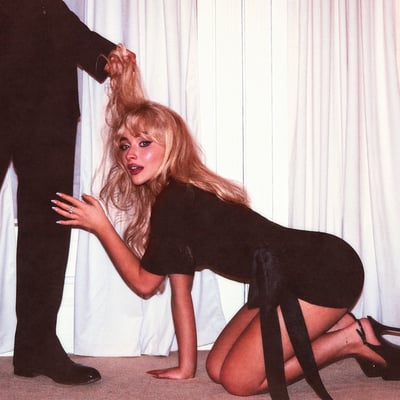
Sabrina Carpenter Man's Best Friend
Released Aug 29, 2025 Island Records
Established consensus 16 professional reviews Updated Feb 21, 2026
Mostly positive consensus
Sabrina Carpenter's Man's Best Friend arrives as a mischievous, theatrical pop statement that balances horny wit with meticulous craft.
How ChoruScore worksCritics' Top Tracks
The songs critics returned to most
House Tour
15 critic mentions
“Do you want the house tour?/ I could take you to the first, second, third floor” — Consequence
Manchild
14 critic mentions
“Oh boy!” Sabrina Carpenter chuckles at the top of “Manchild,” the lead single” — Consequence
Go Go Juice
14 critic mentions
“Go-Go Juice,” which advises alcohol use and a night on the town as a cure for being dumped” — Variety
Full critic consensus
Sabrina Carpenter's Man's Best Friend arrives as a mischievous, theatrical pop statement that balances horny wit with meticulous craft. Across 16 professional reviews the record earned a 74.19/100 consensus score, and critics consistently point to its sharp hooks, retro-leaning production and a comic persona that turns breakup bile into showbiz gags.
Reviewers agree that the best songs on Man's Best Friend are immediate and distinct: “Manchild” repeatedly surfaces as the album's high point, “House Tour” is celebrated for its sun-drenched pop sheen, and “My Man on Willpower” and “Tears” receive frequent praise for marrying disco-tinged arrangements to pointed lyricism. Critics note recurring themes - satire of romance, tongue-in-cheek sexual frankness, nostalgic pop pastiche and clever wordplay - and highlight Carpenter's knack for blending Seventies and Eighties references with modern pop polish. Praise centers on her comic timing, melodic craft and willingness to experiment with country twang, yacht-rock gloss and Eurodisco flourishes.
At the same time, professional reviews flag uneven execution: several critics raise the album's heavy vocal layering and production gloss as sometimes smothering intimacy, and a minority found the humor's relentlessness or pastiche moments less successful. Still, the dominant critical consensus frames Man's Best Friend as a confident, often brilliant step forward—a record where standouts like “Manchild”, “House Tour” and “My Man on Willpower” make a persuasive case that Carpenter's sly pop persona has arrived. Below, detailed reviews unpack where the record's ambition pays off and where its artifice occasionally undermines feeling.
Track Ratings
How critics rated each track, relative to this album (0-100). Only tracks that made critics feel something are rated.
Manchild
Tears
My Man on Willpower
Sugar Talking
We Almost Broke Up Again Last Night
Nobody’s Son
Never Getting Laid
When Did You Get Hot?
Go Go Juice
Don’t Worry I’ll Make You Worry
House Tour
Goodbye
Get the next albums worth your time.
Critic-backed picks in one clean digest. No clutter.
What Critics Are Saying
Deep insights from 19 critics who reviewed this album

Critic's Take
In a gleeful, snarky mode the reviewer watches Sabrina Carpenter turn Man's Best Friend into a campy variety show where the best songs - “Manchild” and “Tears” - sting and seduce in equal measure. The piece praises Carpenter’s knack for pulling from eras and genres, noting how “Manchild” serves as a cheeky takedown while “Tears” luxuriates in lustful disco. The tone is admiring and amused, crediting Carpenter’s collaborators for helping her polish these moments into undeniable pop gems. Overall, the reviewer positions the album as a confident, witty statement that cements Carpenter as pop’s current supernova.
Key Points
-
“Manchild” is the best song because it crystallizes the album’s campy, incisive takedown of incompetent men with memorable hooks.
-
The album’s core strengths are witty lyrics, bold sexual frankness, and stylish genre-mixing that modernizes nostalgic influences.
Themes

Critic's Take
Sabrina Carpenter's Man's Best Friend is as brainy as it is raunchy, and its best songs - “My Man on Willpower”, “Goodbye”, and “We Almost Broke Up Again Last Night” - showcase that blend. The reviewer revels in Carpenter's clever double entendres and sharp barbs, praising moments where wordplay meets inspired form. Musically, the album feels fuller and meaner than its predecessor, with production flourishes that let those standout tracks breathe. In short, for listeners asking what the best tracks on Man's Best Friend are, these songs are singled out as the record's true winners.
Key Points
-
The best song(s) like "My Man on Willpower" and "Goodbye" pair candid lyricism with adventurous production, making them standouts.
-
The album's core strengths are its clever double entendres, genre-blending production, and a bolder, fuller pop identity than her prior record.
Themes

Critic's Take
Chris Willman writes with an amused, slightly sardonic authority that makes clear the best songs on Man's Best Friend are the ones where Sabrina Carpenter's comic instincts and pop craft collide. He singles out “Tears” as a standout for its cheeky misdirection and disco pulse, and praises “We Almost Broke Up Again Last Night” for its vintage ELO charm, calling both among the best tracks on the album. In his voice, the album's humor, melodic lifts and sly stage-musical feel explain why these songs - and indeed the record - keep you smirking and sometimes genuinely delighted. The review reads like a recommendation from someone who delights in cleverness, so searches for best songs on Man's Best Friend will reliably point to those spirited highlights.
Key Points
-
“Tears” is best for its cheeky lyrics, memorable line and disco revival that marries humor with dance-floor appeal.
-
The album’s core strengths are witty, satirical songwriting, melodic lifts and nostalgic pop production that sustain a smirking, comic persona.
Themes


Critic's Take
Sabrina Carpenter sounds at her most theatrical and winning on Man's Best Friend, where cheeky innuendo and Antonoff-style gleam elevate songs like “House Tour” and “Go Go Juice”. The review revels in Carpenter's comic timing and genre-hopping confidence, praising how a bar-room confession and yacht-rock gloss can coexist. It also notes the album's one flaw - too much vocal frosting sometimes buries quieter specificity - but even that over-icing often reads as deliberate showmanship.
Key Points
-
"Go Go Juice" is the album's best for its character work, comedic writing, and anthemic, drunken-voicemail chorus.
-
The album's core strength is bold, high-gloss production and sharp, flirtatious lyricism, even when vocal layering sometimes over-polishes intimacy.
Themes

Critic's Take
Sabrina Carpenter’s Man's Best Friend finds her at her slyest and most assured, leaning into playful sexuality while sticking to irresistibly hooky pop. He notes the country-leaning streaks and even the melodically exquisite slower moments, but returns again to the slinky, Prince-tinged production that makes the best tracks stand out. The review reads as a warm recommendation: Carpenter is having fun, and these are the best songs on Man's Best Friend that prove it.
Key Points
-
The best song is notable for its glistening disco production and witty, risqué lyrics that exemplify Carpenter’s playful persona.
-
The album’s core strengths are hooky melodies, confident production, and a playful, sexually frank lyrical voice.
Themes

Critic's Take
Sabrina Carpenter leans into breakup-as-comedy on Man's Best Friend, trading bitterness for wink-filled craft and Seventies pastiche. Your search for the best songs on Man's Best Friend should start with “When Did You Get Hot?” and “House Tour” - the former is flirtatious and sly, the latter a bold, sun-drenched pop moment. Also listen to “Never Getting Laid”, a slow-burning standout where Carpenter turns spite into sticky, sexy humor. The record cements her transition from promise to bona fide pop diva, balancing charm, groove, and pointed lyrical comedy.
Key Points
-
The best song is the flirtatious “When Did You Get Hot?” because it pairs funky production with Carpenter's winking delivery.
-
The album's core strengths are its sharp, innuendo-laden lyricism, Seventies pastiche, and knack for turning heartbreak into sly humor.
Themes

Critic's Take
Sabrina Carpenter has fashioned a compact triumph with Man's Best Friend, and the best songs prove why. Opener “Manchild” is lauded as "pop perfection", its electro perfume lingering long after the final note, while “Tears” luxuriates in disco heaven with purring, Donna Summer-esque vocals. The bruised, spiteful jabs of “Never Getting Laid” and “Don’t Worry I’ll Make You Worry” land as cartoonish pop-as-entertainment, and sprightly cuts like “Go Go Juice” stand out for peppy energy rather than safe re-treads. Overall, the record feels fresh, punchy and assured, making clear why these are the best tracks on Man's Best Friend.
Key Points
-
‘Manchild’ is the best song because the reviewer calls it 'pop perfection' and highlights its lingering electro perfume.
-
The album's core strengths are its fusion of vintage and modern pop, sharply observed lyrics, and playful, punchy production.
Themes

Critic's Take
Sabrina Carpenter's Man's Best Friend feels like a true creative arrival, the best tracks - “Manchild” and “My Man on Willpower” - proving Carpenter regards pop as craft as much as art. The record's bright, detailed productions and cheeky lyrical turns make songs like “House Tour” and “We Almost Broke Up Again Last Night” stand out for their small-scale epics and quotidian wit. Overall, the review frames the best tracks on Man's Best Friend as tightly stitched, hook-filled and provocatively old-fashioned in the smartest sense.
Key Points
-
The best song is “Manchild” for its intricate, unconventional construction and memorable hooks.
-
The album's core strengths are meticulous production, inventive instrumentation, and sharp, tongue-in-cheek lyricism.
Themes

Critic's Take
In a voice that is equal parts smutty and savvy, Sabrina Carpenter pushes the persona to its apex on Man's Best Friend. The best songs - “Manchild”, “House Tour”, and “Go Go Juice” - showcase Carpenter’s knack for formally classic, facepalm-clever pop and theatrical wink. Tracks like “Sugar Talking” and “My Man on Willpower” sharpen the album’s ABBA and country-tinged flourishes while Antonoff’s earnestness plays foil to her snark. For readers asking what the best tracks on Man's Best Friend are, those three deliver the album’s biggest pleasures: craft, gag, and a showgirl’s gleam.
Key Points
-
The best song(s) mix witty persona with slick production and memorable hooks, especially “Manchild” and “House Tour”.
-
The album’s core strengths are Carpenter’s theatrical pop persona, clever lyrics, and Antonoff’s polished production.
Themes

Critic's Take
Sabrina Carpenter treats Man's Best Friend like a stage play where the punchlines land as hard as the hooks, and the best songs - “Manchild” and “Never Getting Laid” - prove it. “Manchild” is bubblegum pop with teeth, already auditioning for song of the summer, while “Never Getting Laid” turns every line into a hook, part comedy routine, part confessional. The album's midsection, with tracks like “Tears” and “My Man on Willpower”, balances satire with surprising sincerity, showing Carpenter can do more than mockery. The closer, “Goodbye”, strips away the laughs and leaves a drained, honest coda that makes the preceding glitter feel purposeful.
Key Points
-
“Manchild” is the best song because it pairs ruthless humour with irresistible hooks and clear commercial ambition.
-
The album's strengths are theatrical satire, sharp timing, and making frivolity feel deliberately radical.
Themes

Critic's Take
Sabrina Carpenter sounds more assured on Man's Best Friend, even if she hasn’t fully shed the teen-pop tics that dog her. The reviewist repeatedly praises “Manchild” as the album’s high point and highlights tracks like “Go Go Juice” and “Nobody’s Son” for their genre-minded thrills. At times - notably on “Tears” and “We Almost Broke Up Again Last Night” - the record lapses into juvenile, uncreative territory, but the flickers of brilliance keep the album buoyant. Overall it’s a definite step forward and gives clear clues about the best tracks on Man's Best Friend and where Carpenter could go next.
Key Points
-
Manchild is the album’s best song because it pairs childish humor with an insanely catchy chorus and seductive vocal delivery.
-
The album’s core strengths are its upbeat, varied production and moments of genre experimentation that hint at Carpenter’s broader potential.
Themes

Critic's Take
He points out how tracks such as “Tears” and “Go Go Juice” mix disco bounce and twangy regret, and how the opener “Manchild” punctuates its claim with flirt and sarcasm. Wood reserves particular admiration for “Goodbye” and “House Tour” as moments where Carpenter truly locks into orchestral-pop and wink-filled funk, even while noting the album rarely matches the raw thrill of Short n' Sweet.
Key Points
-
The best song is "Goodbye" for its dazzling orchestral-pop arrangement and decisive lyrical payoff.
-
The album's core strengths are witty, hooky songwriting, genre-blending production, and Carpenter's performative vocal variety.
Themes

Critic's Take
On Sabrina Carpenter's Man's Best Friend, the best songs are the ones that flirt with pastiche and payoff: “Tears” is a Donna Summer-inspired disco-pop gem and “Never Getting Laid” is a yacht-rock-meets-R&B standout. Sal Cinquemani praises Carpenter's folksy, coquettish voice and her playful, horny lyrical persona even as he faults the relentlessness of her potty-mouth humor. The review frames “When Did You Get Hot?” as a show-stopping moment, and the album's closing “Goodbye” doubles as a scathing, jovial kiss-off, cementing why listeners asking "best songs on Man's Best Friend" will point to these tracks.
Key Points
-
The best song, "Tears," pairs horny wit with Donna Summer-inspired disco-pop, making it a standout.
Themes

Critic's Take
Sabrina Carpenter sounds more adventurous than ever on Man's Best Friend, the record pushing into retro-pop and disco textures while flirting with cinematic arrangements. The review highlights the best tracks as catchy, immediate moments - notably “My Man on Willpower” and “Go Go Juice” - which deliver infectious hooks and country-tinged danceability. The voice is playful and candid, noting how Carpenter’s humour can be brilliant yet sometimes overwhelms tracks like “House Tour”. Overall, the album rewards relistens and curiosity, even if it rarely lands a clean pop knockout.
Key Points
-
My Man on Willpower is best for its infectious, knowing hook and pop immediacy.
-
The album’s core strengths are adventurous production and playful, detail-oriented humour, balanced against uneven execution.
Themes

Critic's Take
Sabrina Carpenter continues to traffic in sparkling, knowingly cheeky pop on Man's Best Friend, where the best songs - notably “House Tour” and “Nobody’s Son” - do the heavy lifting with irresistible hooks and playful production. The reviewer’s tone stays admiring but wary, noting highs that feel like fully realised pop songs alongside too many tracks that read as first drafts. Praise lands on the album when Carpenter leans into Eighties power-pop and absurd, immaculate sonic choices, while weaker moments grind when genres are mimicked without fresh lift. Overall the best tracks on Man's Best Friend prove Carpenter’s instinct for melody and spectacle, even if the album as a whole could have benefited from more time in the oven.
Key Points
-
“House Tour” is the best song because its Eighties power-pop hook is instantly catchy and built for live singalongs.
-
The album’s core strengths are Carpenter’s melodic gift and strong pop aesthetics, offset by uneven songwriting and rushed production.
Themes


Critic's Take
There is an easy charisma at the centre of Sabrina Carpenter's Man's Best Friend, but the record too often tells its horny, playful stories instead of making you feel them. The reviewer's voice returns again and again to how songs like “Tears” and “Go Go Juice” actually spark - “Tears” for its layered fetishized storytelling and “Go Go Juice” for leaned-into country theatrics - even as much of the album plays like tasteful leftovers. Production by Jack Antonoff is called out as polished but tired, and that gap between Carpenter's stage magnetism and this record's filtered delivery is why lists of the best tracks on Man's Best Friend keep circling back to those two songs.
Key Points
-
The best song is "Tears" because its lyrics and delivery capture layered fetishistic storytelling and cheeky nuance.
