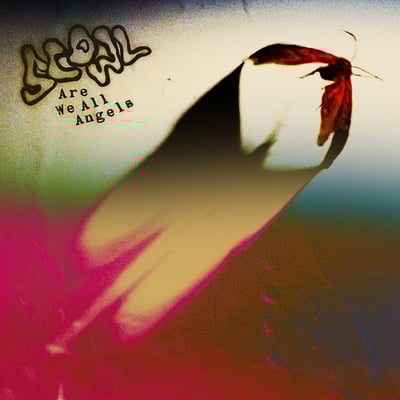
Scowl Are We All Angels
Released Apr 4, 2025 Dead Oceans
Established consensus 10 professional reviews Updated Feb 21, 2026
Mostly positive consensus
Scowl's Are We All Angels stakes a bold claim: the band broadens its hardcore roots into a melodic, sometimes sunlit strain of alt-tinged punk without surrendering its teeth.
How ChoruScore worksCritics' Top Tracks
The songs critics returned to most
B.A.B.E.
8 critic mentions
“Moss’ ruthless scream makes a handful of notable appearances, such as on ‘B.A.B.E’ and titular closer” — Clash Music
Are We All Angels
8 critic mentions
“I’ll note each of those releases also challenges what hardcore is, all while defining hardcore. Well, here Scowl is in a growth period.” — Punknews.org (Staff)
Not Hell, Not Heaven
8 critic mentions
“Cuts like ‘Special’ and ‘Not Hell, Not Heaven’ offer up a measured, mature take on pop-punk.” — Clash Music
Full critic consensus
Scowl's Are We All Angels stakes a bold claim: the band broadens its hardcore roots into a melodic, sometimes sunlit strain of alt-tinged punk without surrendering its teeth. Across professional reviews, critics praise the record's ambition and vocal clarity even as they debate whether the pop crossover softens the raw impact that defined the group. With a 72.18/100 consensus score across 10 reviews, the critical consensus is cautiously positive rather than unanimous.
Reviewers consistently point to several standout tracks as proof of Scowl's melodic growth. “Special”, “B.A.B.E.” and the title song “Are We All Angels” recur in reviews as the album's clearest highlights, while “Haunted” and “Not Hell, Not Heaven” earn praise for balancing vulnerability and controlled aggression. Critics note recurring themes of pop accessibility, 1990s alt and grunge influences, and a tension between ambition and tradition - hooks versus bite, clean vocals versus screams - that shapes the record's identity.
Opinions diverge on consistency and production. Several reviews laud Will Yip and Rich Costey's polishing for sharpening songs without neutering punch, and they call out the live-ready anthemic quality of the best songs. Other critics find the album uneven, arguing some tracks bludgeon where others breathe, suggesting the band is still negotiating the move from hardcore into broader songwriting. Overall, the collection signals growth: not a retreat from intensity, but an expansion of palette that makes Are We All Angels a compelling, if occasionally divisive, next step for Scowl and a worthwhile listen for those curious about the band's evolving sound.
Track Ratings
How critics rated each track, relative to this album (0-100). Only tracks that made critics feel something are rated.
Special
B.A.B.E.
Fantasy
Not Hell, Not Heaven
Tonight (I’m Afraid)
Fleshed Out
Let You Down
Cellophane
Suffer The Fool (How High Are You?)
Haunted
Are We All Angels
Get the next albums worth your time.
Critic-backed picks in one clean digest. No clutter.
What Critics Are Saying
Deep insights from 11 critics who reviewed this album
Ke
Critic's Take
There is a giddy sense of growth on Are We All Angels, where Scowl stretch from bare-knuckle hardcore into widescreen alt-tinged fury. The review savours the enormous chorus of “Special” and the way “Tonight (I’m Afraid)” blooms from staccato into gigantic alt.rock, evidence that the best tracks on Are We All Angels are those that marry the band’s aggression with melody. The closing title-track and the familiar snap of “Fleshed Out” are praised as standout moments, while B.A.B.E. and the nervy grit of “Not Hell, Not Heaven” underline the album’s confident, controlled direction.
Key Points
-
The best song moments, like “Special” and “Tonight (I’m Afraid)”, succeed by combining hardcore fury with widescreen melody.
-
The album’s core strength is its controlled, deliberate expansion from raw aggression into melodic, grungy alt textures.
Themes

Critic's Take
Scowl continue to stretch on Are We All Angels, and the best tracks - notably “B.A.B.E.” and the title song “Are We All Angels” - are where their aggression and growing melodic craft collide. Jem Aswad writes in a clear, evaluative tone that privileges songwriting, noting how Kat Moss alternates between a haunting alto, TK and her trademark demon shriek while the band folds multiple rock styles into single songs. The review highlights production by Will Yip and mixing from Rich Costey as sharpening the songs without neutering their punch, which helps explain why the best tracks on Are We All Angels feel both immediate and expansive. Overall, the critic suggests these standout songs will likely reach full force in concert, answering the question of the album's strongest moments for listeners searching for the best songs on Are We All Angels.
Key Points
-
The best song is the bruising "B.A.B.E." for marrying hardcore aggression with melodic growth.
-
The album's core strengths are its songwriting evolution and powerful, clean production that preserves punch.
Themes

Critic's Take
Scowl's Are We All Angels is a bold step forward that foregrounds melody without abandoning its hardcore teeth. The reviewer leans into how tracks like “Special” and “Fleshed Out” crystallise the album's thesis, with Kat Moss alternating pleading clean lines and haunting screams. Discussion of “B.A.B.E.” and “Suffer The Fool (How High Are You?)” underlines the record's punk-pop swing, while “Not Hell, Not Heaven” demonstrates the band still know how to rip. Overall the piece positions these as the best tracks on Are We All Angels for capturing both Scowl's growth and remaining ferocity.
Key Points
-
The best song is "Fleshed Out" because it crystallises the band's shift with haunting vocals and stop-start punk that feel like a true next step.
-
The album's core strengths are melodic evolution paired with retained hardcore intensity and clear, expressive vocals.
Themes


Critic's Take
Much like a certain infamous condiment, Scowl's Are We All Angels will split opinion, but it's the moments of melodic daring that mark the best tracks. The opener “Special” is singled out for Kat Moss's singing, which occasionally channels Sleigh Bells or Purity Ring, making it one of the best tracks on Are We All Angels. Elsewhere the band pairs pummelling guitars with pop-leaning melodies, so listeners hunting for the best songs on Are We All Angels should start with “Special” and follow where the record's levity leads. The record feels expansive and unshackled, and that adventurousness is why certain songs stand above the rest.
Key Points
-
The opener "Special" is best for its surprising pop-leaning vocals and comparison to Sleigh Bells and Purity Ring.
-
The album's core strength is marrying pummelling hardcore guitars with scuzzy textures and pop melodies, creating ambition and expansiveness.
Themes

Critic's Take
There is an irresistible, sunlit momentum to Scowl's Are We All Angels, and you can feel it most clearly on tracks like “Special” and “Not Hell, Not Heaven”. Tom Morgan's voice here is jaunty and exultant - he praises the band's melodic turn, the way Kat Moss balances restrained, soulful vocals with occasional ruthless screams on “B.A.B.E.” and the titular “Are We All Angels”. The review sells the record as a mood-lifter, a set of anthemic, beach-ready pop-punk and grunge-tinged songs that push beyond hardcore and straight into euphoric, body-first hooks. In short, the best songs on Are We All Angels are those that marry singalong riffs with Moss's emotional pull, making them the album's clearest highlights.
Key Points
-
The best song(s) are those that blend singalong riffs with Kat Moss's restrained, soulful vocals, notably “Special” and “Not Hell, Not Heaven”.
-
The album's core strength is its melodic, anthemic pop-punk and grunge fusion that elevates Scowl beyond hardcore conventions and delivers joyous, body-first hooks.
Themes
Fa
Critic's Take
Scowl's Are We All Angels reads like an album that tries to do too much and ends up circling the same anxieties, where tracks such as “Haunted” and “Let You Down” finally let the band breathe. The reviewer rails against the record's relentless wall of sound, noting how the first half bludgeons while the latter five songs find melody and space. In this voice, the best tracks on Are We All Angels are the ones that pull back - “Haunted” is praised as the album's high-water mark, and “Let You Down” as the turning point. The verdict is that these highlights show what the band might achieve when they dial down the overexuberance and let atmosphere matter.
Key Points
-
The best song, "Haunted", is praised for mood, atmosphere and emo depth, making it the album's highlight.
-
The album's core strength lies in the latter half's melodic breathing room, but overall it is undermined by repetitive wall-of-sound intensity.
Pu
Critic's Take
Scowl’s Are We All Angels feels like a band stretching into pop without losing the bite that made them vital, and the best songs prove that risk worthwhile. The record’s emotional center is found in tracks like “Tonight (I’m Afraid)” and “Haunted”, where Kat Moss’ lyrics and vocal delivery make the vulnerability feel genuine, not performative. There is a pleasing collision of rumbling riffs and modern pop sheen that makes listeners search for the best tracks on Are We All Angels, and those two songs stand out as the clearest examples of Scowl balancing melody and hardcore intensity. The album succeeds because it lets Moss jump in front of the x-ray and show what she really feels, making the best songs both immediate and resonant.
Key Points
-
“Tonight (I’m Afraid)” best demonstrates Kat Moss’ naked vulnerability, making it the album’s emotional high point.
-
The album’s core strength is marrying pop sheen with hardcore weight to make genuine, melancholic songs about growth and scrutiny.
Themes

Critic's Take
Scowl continue pushing past straightforward hardcore on Are We All Angels, and the best songs - notably “B.A.B.E.” and “Not Hell, Not Heaven” - find a sweet spot between fury and melody. The record keeps the band’s edge while widening Kat Moss’s vocal palette, so listeners searching for the best tracks on Are We All Angels will be drawn to those big choruses and urgent riffs. There are moments later in the album that don’t hit as hard, but when Scowl lock into that heavy-but-accessible formula, songs like “Fantasy” really stick. Overall, this is an aggressive, catchy statement that proves their genre-stretching approach works.
Key Points
-
The best song(s) like "B.A.B.E." balance hardcore ragers with huge, catchy choruses, showcasing Kat Moss's expanded vocal range.
-
The album's core strength is blending hardcore intensity with 1990s alternative and Riot Grrl influences to create heavy yet accessible songs.
Themes

Critic's Take
I admire how Scowl push into melodicism on Are We All Angels, even when the results are uneven. The record's best tracks like “Special” and “B.A.B.E.” show the band nailing punchy guitars and the mix of clean and harsh vocals. Where songs such as “Tonight (I'm Afraid)” and “Suffer the Fool (How High Are You?)” sag, the band still flashes vivid live-ready moments. If Scowl keeps developing songwriting and uses harsher backing vocals more judiciously, their next record could be truly great.
Key Points
-
The best song is "Special" because its punchy guitars, catchy melody, and harsh second-verse vocals deliver peak intensity.
-
The album's core strength is blending hardcore energy with 90s alt-rock melodicism, making it live-ready despite uneven songwriting.
Themes

Critic's Take
Scowl’s Are We All Angels pushes the band toward brighter hooks without abandoning its hardcore roots. The record often flirts with pop sheen while keeping enough bite to satisfy longtime listeners, and moments of melody land with surprising effect. Overall, it’s a cautious evolution that rewards patience and repeated listens.
Key Points
-
Band experiments with pop-leaning hooks while retaining hardcore energy.
-
Production favors compressed sheen that highlights choruses.
-
An incremental but notable stylistic shift rather than a wholesale reinvention.