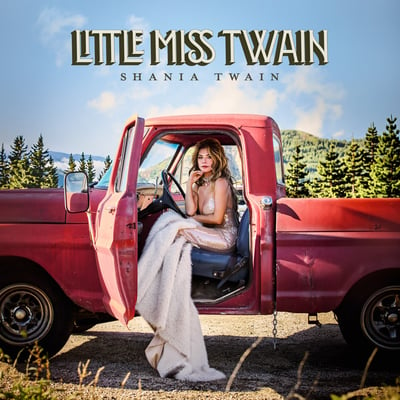
Shania Twain Little Miss Twain
Released Jul 24, 2026 Republic Records
Consensus forming 4 professional reviews Updated Oct 7, 2026
Mostly positive consensus
Consensus is still forming across 4 professional reviews. Shania Twain's Little Miss Twain arrives as a homespun reintroduction that trades big-pop gloss for rootsy arrangements and autobiographical clarity.
How ChoruScore worksCritics' Top Tracks
The songs critics returned to most
Rockstars
1 critic mention
“Rockstars” gradually adds drums, bass, and backing vocals without crowding Twain out” — Slant Magazine
Faded Blue Jeans (feat. Joshua Homme)
1 critic mention
Dirty Rosie
3 critic mentions
“most of her seventh studio album is dipped in a country -wrought combo of rhythm’n’blues and Memphis-style southern soul” — The Arts Desk
Full critic consensus
Shania Twain's Little Miss Twain arrives as a homespun reintroduction that trades big-pop gloss for rootsy arrangements and autobiographical clarity. Across the record critics praise tracks that stake their power in lived experience rather than manufactured uplift, and the collection earned a 65/100 consensus score across 4 professional reviews. That score captures a broadly appreciative but cautious critical consensus.
Reviewers consistently point to the title track “Little Miss Twain (feat. Tanya Tucker)”, “Dirty Rosie” and “Rockstars” as standout moments, with additional nods for “That’s The Money” and the Joshua Homme cameo on “Faded Blue Jeans (feat. Joshua Homme)”. Critics note a recurring blend of southern soul, country roots and occasional electronic rhythms - a genre-blending approach that frames themes of nostalgia, family and self-reckoning. Praise centers on Twain's weathered, more intimate vocal approach and the record's ability to make modest arrangements feel emotionally resonant rather than merely retro.
Not all reviews are unreservedly positive; some critics found the album safer than daring, observing moments of pop pep that favor comfort over real risk. Still, professional reviews agree that when songs commit to specific memory and texture they become the best songs on Little Miss Twain, turning vulnerability and small-town recollection into its most compelling material. For readers seeking a rootsy, autobiographical follow-up in Twain's catalog, the critical consensus suggests the record is worth attention for its standout tracks and tonal honesty.
Track Ratings
How critics rated each track, relative to this album (0-100). Only tracks that made critics feel something are rated.
Stranger Things
Right Time
Little Miss Twain (feat. Tanya Tucker)
Dirty Rosie
Quit My Life
Problematic
Scary Little Thing
I'd Be Loving Me
Faded Blue Jeans (feat. Joshua Homme)
Northern Town
That's The Money
Down The Middle
Take It To The River (feat. The War And Treaty)
New Love
Rockstars
Get the next albums worth your time.
Critic-backed picks in one clean digest. No clutter.
What Critics Are Saying
Deep insights from 5 critics who reviewed this album

Critic's Take
The title track “Little Miss Twain (feat. Tanya Tucker)” is framed as a tender centerpiece, a full circle moment that cements the album’s intimate focus. These best tracks on Little Miss Twain showcase Twain’s knack for mixing country roots with rock and soul, and they explain why this autobiographical set feels both personal and expansive.
Key Points
-
‘‘Dirty Rosie’ packs the album’s genre-blurring spirit and is the most electrifying standout.
-
The album’s core strengths are autobiographical storytelling and confident genre-mixing across country, rock and soul.
Themes

Critic's Take
Shania Twain returns on Little Miss Twain with warm, rootsy arrangements that let her weathered voice do emotional work rather than chase trends. The reviewer privileges songs like “Rockstars” and “Northern Town” for their patient builds and plain, impressionistic details that give memories weight. At the same time tracks such as “Right Time” demonstrate how nuanced delivery can elevate weaker lyrics, while “Quit My Life” converts clichés into something funny, vulnerable, and catchy. This balance between pop immediacy and country texture makes clear which are the best tracks on Little Miss Twain and why they stand out in Twain’s catalog.
Key Points
-
“Rockstars” is the album’s best moment because its gradual build and commanding performance combine poignancy with restraint.
-
The album’s core strength is balancing pop immediacy with country texture, using Twain’s weathered voice to lend memories emotional weight.
Themes

Critic's Take
Shania Twain’s Little Miss Twain feels like a homespun reintroduction, equal parts memory and safe-popcraft. The review points to “Little Miss Twain (feat. Tanya Tucker)”, “Dirty Rosie” and “New Love” as the album’s best songs, with the title track’s autobiographical warmth and “Dirty Rosie”’s hoedown personality standing out. Katie Hawthorne’s voice is measured and a touch wry, noting that while the record rarely risks much, those moments of texture and narrative make the best tracks on Little Miss Twain stick. Overall, it reads as a timely reminder of Twain’s influence, even when much of the album chooses comfort over confrontation.
Key Points
-
The title track is best for its autobiographical warmth and the Tanya Tucker cameo.
-
The album’s core strengths are textured vocals and nostalgic storytelling amid safe, catchy arrangements.
Themes
Th
Critic's Take
I didn’t want to review Shania Twain, and yet Little Miss Twain quietly wins you over, especially on tracks like “That’s The Money” and “Dirty Rosie”. The record is a surprise - less nursery-rhyme cheese than a country-wrought blend of rhythm’n’blues and Memphis-style southern soul, with pop pep threaded through. Even the songs that flirt with line-dance tropes carry acceptable pop energy, which makes the best tracks here feel genuinely catchy rather than mere pastiche. In short, the best songs on Little Miss Twain are those that balance electronic rhythm and southern soul without tipping into caricature.
Key Points
-
The best song, “That’s The Money”, succeeds by pairing breakbeat energy with pop pep.
-
The album’s core strength is its country-wrought blend of rhythm’n’blues, Memphis-style southern soul and electronic rhythm.
Themes

Critic's Take
Shania Twain returns to a more intimate, rootsy sound on Little Miss Twain, and the review finds its best tracks in songs that land on lived-in specificity. Overall, the strongest moments are those rooted in precise recollection rather than manufactured uplift, which is why the best songs on Little Miss Twain feel lived-in and hard-won.
Key Points
-
The best song is rooted in vivid, specific memory, exemplified by “Northern Town.”
-
The album’s core strength is candid, rootsy songwriting that suits Twain’s raspier lower register.