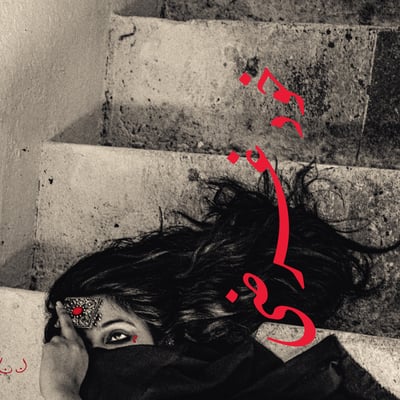
Sheherazaad Khudgarzi
Released Nov 20, 2026 Erased Tapes
Consensus forming 4 professional reviews Updated Nov 20, 2026
Broadly positive consensus
Consensus is still forming across 4 professional reviews. Sheherazaad's Khudgarzi turns South Asian folk storytelling into a shadowy study of women’s desire, loss, and the cost of defying patriarchal expectations.
How ChoruScore worksCritics' Top Tracks
The songs critics returned to most
Andhera
1 critic mention
“on Andhera she sings in a full-throated melismatic mode” — The Guardian
Qatil
3 critic mentions
“Qatil’ edges more towards the forbidden desire, where the protagonist develops an insatiable bloodlust and need for revenge over an oppressive figure” — Far Out Magazine
Zeher
2 critic mentions
“Zeher” ekes out its solitude anonymously on dark streets” — Beats Per Minute
Full critic consensus
Sheherazaad's Khudgarzi turns South Asian folk storytelling into a shadowy study of women’s desire, loss, and the cost of defying patriarchal expectations. Its 76.25/100 consensus score across four professional reviews points to a compelling, if deliberately somber, record, where sparse arrangements and uneasy reverb frame stories of women claiming agency in a world that labels them selfish.
Critics consistently single out “Qatil,” whose echoing tabla, forceful percussion, and tale of forbidden desire and revenge make for a striking opening statement. “Registaan” draws more divided reactions: some hear an isolated protagonist seeking solace in its distorted guitar haze, while another critic finds the track short of breath and life. “Zeher” is another standout, shifting between electronic processing and flashes of natural, emotive melody; the darker textures deepen the album’s eerie sense of solitude. On “Andhera,” Sheherazaad’s expressive vocals bring the pain of self-repression into focus, while “Pakeezah” pairs plucked strings with a husky lower register.
The critical consensus celebrates the way Khudgarzi renews South Asian musical traditions while bringing the women at the heart of its folk stories into sharper view. Reviewers praise Sheherazaad’s command of melody and the contrast between her virtuosic voice and the record’s sparse, noir-like sound, though the sustained gloom and occasional unevenness may limit its reach. For listeners drawn to intimate, atmospheric music with a clear perspective on women’s autonomy, these reviews make a strong case for hearing the full collection.
Track Ratings
How critics rated each track, relative to this album (0-100). Only tracks that made critics feel something are rated.
Qatil
Pakeezah
Registaan
Gulukara
Mard
Haqeeqat
Andhera
Zeher
Kohinoor
Haqeeqat ||
Get the next albums worth your time.
Critic-backed picks in one clean digest. No clutter.
What Critics Are Saying
Deep insights from 5 critics who reviewed this album

Critic's Take
Sheherazaad finds herself beset by loss on Khudgarzi, an album that hardly opens the doors to romanticism and whimsy. The best tracks on Khudgarzi begin with “Qatil”, a striking opener notable for its percussive instrumentation and a voice that decides the key and controls the melody. “Pakeezah” uses conventional, upright bass for its melodic structure, before “Registaan” is short of breath and life. The farther the album ventures, the darker it gets: “Zeher” ekes out its solitude anonymously on dark streets, then “Kohinoor” arrives with sewer-grade echo and drops of water from a manhole.
Key Points
-
“Qatil” stands out for its percussive spareness and Sheherazaad's voice deciding the key and controlling the melody.
-
The album's core strengths are its stark, earthly rhythms and its steadily deepening atmosphere of loss.
Themes

Critic's Take
Sheherazaad’s Khudgarzi is her most disarmingly eerie and mournful work yet, its sparse arrangements and heavy reverb making an atmosphere as unsettlingly gloomy as it is engaging. The best songs on Khudgarzi turn on the contrast between her virtuosic voice and the album’s shadowy textures: “Pakeezah” anchors plucked strings with a husky lower register, while “Andhera” opens into full-throated melisma. Standout track “Zeher” modulates each facet of her voice through electronic processing, blending robotic bass, Auto-Tune harmony and glimpses of natural, emotive melody. Elsewhere, the reverb-distorted guitar refrain of “Registaan” and the echoing tabla of “Qatil” deepen the record’s engrossing, sombre solipsism.
Key Points
-
The standout song is “Zeher,” where electronic processing brings robotic bass and Auto-Tune into an oneiric blend with emotive natural melody.
-
The album’s strongest songs marry Sheherazaad’s virtuosic singing to sparse, reverb-heavy arrangements and a deeply somber atmosphere.
Themes
Fa
Critic's Take
Sheherazaad continues the tradition of recounting folk stories from her South Asian heritage on Khudgarzi, but does so in a way that shines a light on the women in these stories. The best songs on Khudgarzi include “Qatil,” with its forbidden desire and insatiable need for revenge, and standout track “Registaan,” whose protagonist seeks comfort and solace in an increasingly isolated world. So much of the beauty of the album is about its sparseness; these are universal tales, and ones that can be appreciated regardless of their origin or setting.
Key Points
-
“Registaan” is the standout for its protagonist's desire to find comfort and solace in an increasingly isolated world.
-
The album's sparse percussion-led arrangements and stories of women seeking agency give its folk tales intimacy and universal appeal.
Themes
mu

Critic's Take
Sheherazaad brings the selfish women of Khudgarzi to life, infusing them with vitality and colour, no matter how dark the situation. Opening track “Qatil” has a sense of violence in its lyrics and percussion-heavy instrumentation, while “Gulukara” is coquettish, but with a hint of knowing. Her vocals on “Andhera” perfectly convey the emotion of self-repression for the benefit of someone else. It is tradition modernised and given renewed breath, a powerful statement of what it means to be seen as a selfish woman.
Key Points
-
The best song, “Andhera,” stands out because Sheherazaad’s vocals perfectly convey the emotion of self-repression.
-
The album's core strength is its vivid reclamation of the selfish woman, pairing South Asian musical heritage with a modern feminist statement.