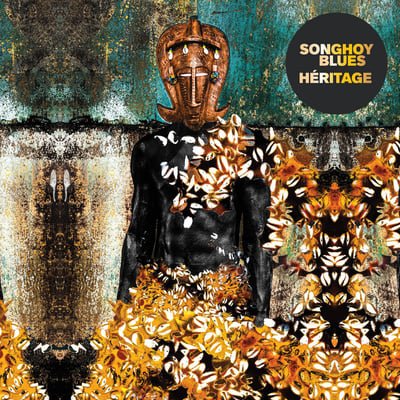
Songhoy Blues Héritage
Released Jan 17, 2025 Transgressive
Established consensus 6 professional reviews Updated Dec 10, 2025
Mostly positive consensus
Songhoy Blues's Héritage repositions the band as custodians of Malian songcraft, trading some of their prior electric pyrotechnics for an intimate, acoustic-forward collection that foregrounds heritage and communal voice.
How ChoruScore worksCritics' Top Tracks
The songs critics returned to most
Toukambela
4 critic mentions
“The opener, “Toukambela,” is a reworking of a song recorded by one of Mali’s revered dance bands” — Glide Magazine
Norou
2 critic mentions
“Norou” means money in Songhai. This standout has fingerpicked acoustic and high kora strings” — Glide Magazine
Issa
3 critic mentions
“The closer, “Issa,” driven by sterling guitar picking and chanting vocals, means river.” — Glide Magazine
Full critic consensus
Songhoy Blues's Héritage repositions the band as custodians of Malian songcraft, trading some of their prior electric pyrotechnics for an intimate, acoustic-forward collection that foregrounds heritage and communal voice. Across professional reviews critics note the album's blend of joyful percussion, close harmonies and traditional instruments, and they consistently point to tracks that best embody that shift.
The critical consensus, reflected in a 73.67/100 score across 6 professional reviews, highlights “Toukambela” as the record's flagbearer, praised for its reworking of a 1971 classic into a spacious, percussion-led opener; “Norou” and “Issa” are frequently cited alongside “Toukambela” as standout tracks for their vocal warmth, acoustic textures and social-minded lyrics. Reviewers from Uncut, The Observer and Glide emphasize how the use of kora, soku and kamalengoni makes the best songs on Héritage feel both rooted and modern, while Record Collector and Tinnitist note the album's songwriting strength and plaintive melodies.
Perspectives vary slightly - some critics miss the band's earlier electric fire, and one review flags imperfections in pacing - but the dominant narrative praises this return-to-tradition approach as a rewarding, thoughtful reimagining rather than a retreat. For readers asking whether Héritage is worth listening to, the consensus suggests a largely favorable portrait: a record where heritage, communal collaboration and enduring melodies outweigh the loss of arena-ready riffing.
Below, individual reviews unpack how those standout tracks and themes shape Héritage's place in Songhoy Blues' evolving catalogue.
Track Ratings
How critics rated each track, relative to this album (0-100). Only tracks that made critics feel something are rated.
Toukambela
Gambary
Norou
Dagabi
Gara
Boutiki
Boroterey
Batto
Garibou
Woyhenna
Issa
Get the next albums worth your time.
Critic-backed picks in one clean digest. No clutter.
What Critics Are Saying
Deep insights from 8 critics who reviewed this album
mu

Fa
Critic's Take
I appreciate how Songhoy Blues revisit roots on Héritage, balancing tradition with modern warmth. While not flawless, the album often feels sincere and rooted in Malian heritage.
Key Points
-
A heartfelt return to Malian traditions with modern touches
-
Consistent thematic focus on home and displacement
-
Melodies are warm though the album is uneven
Themes

Critic's Take
Songhoy Blues lean into roots on Héritage, and the best songs - notably “Norou” and “Toukambela” - show how acoustic textures and traditional instruments reshape their desert blues. The reviewer sounds delighted by the album's weaving of kora, soku and kamalengoni into songs like “Norou” that pair fingerpicked acoustic lines with sharp social observation. There is a recurring warmth toward the shimmering guitar work on “Toukambela” and the closing plea of “Issa”, which together make clear why fans seeking the best tracks on Héritage will gravitate to those moments. This is a comprehensive, infectious take on tradition and modernity that rewards listening to the album's standout tracks.
Key Points
-
“Norou” is best for its fingerpicked acoustic lines, high kora strings, and sharp social lyricism.
-
The album’s core strengths are its authentic desert blues revival, use of traditional instruments, and socio-political storytelling.
Themes
Re
Critic's Take
Songhoy Blues’s Héritage finds its best tracks in the back-to-basics arrangements that let rhythms and voices breathe, notably “Toukambela” and “Issa”. The review voice relishes the acoustic pivot, celebrating how opener “Toukambela” reworks a 1971 classic with joyous vigour and space for percussion and flutes. It also foregrounds “Issa” as a heartfelt cri-de-coeur about rivers, which anchors the album’s thematic pull toward roots and celebration. Altogether the critic frames the album as a successful return to source rather than a retreat from innovation.
Key Points
-
The best song is "Toukambela" because its acoustic reworking opens the album with joyous vigour and space for percussion and flutes.
-
The album’s core strengths are its return to roots through acoustic arrangements and thematic focus on heritage and environmental concern.
Themes

Critic's Take
Songhoy Blues's Héritage is a deliberate acoustic re-rooting that makes clear the best songs on Héritage are communal, plaintive and richly textured. Garba Touré's acoustic touch and the guestlist's contributions make tracks like “Gara” and “Toukambela” feel both socially urgent and melodically memorable.
Key Points
-
The best song is “Boroterey” because its stripped-back arrangement foregrounds intricate acoustic playing and collaborative textures.
-
The album's core strengths are its acoustic re-rooting, communal guest contributions, and blending of Malian traditions with distant blues lineage.
Themes
Th
Critic's Take
Songhoy Blues's Héritage is a deliberate acoustic turn that foregrounds songwriting over pyrotechnics, and the reviewer's ear is drawn to tracks like “Toukambela” and “Boutiki” as the album's best songs. The piece notes that close choral harmonies and delicate percussion keep “Toukambela” from feeling sparse, making it one of the best tracks on Héritage. There is a winning, soulful frailty in Aliou Touré that makes “Boutiki” stand out, and the duet on “Norou” with Rokia Koné also ranks among the album's highlights. Overall the tone is appreciative: lacking some previous incendiary thrills but full of spark and wonder, it presents convincing best tracks for listeners seeking the best songs on Héritage.
Key Points
-
Toukambela is best for how harmonies and delicate percussion keep the acoustic arrangement full and engaging.
-
The album's core strength is its songwriting and vocal delivery, presenting traditional Malian sounds with nuanced arrangements.
Themes

Critic's Take
From the first listening to Héritage, Darryl Sterdan hears Songhoy Blues in a newly reflective mode, trading some of their earlier fire for an intimate, acoustic reimagining that still brims with grit and colour. Sterdan repeatedly praises the band’s weaving of traditional instruments and styles, noting how kora, soku and kamalengoni float through the record and make songs like “Toukambela” and “Gambary” feel both familiar and unexpected. The review frames the best tracks as those that balance social observation with fresh arrangements, positioning Songhoy Blues as confident custodians of a living heritage. Overall the reviewer emphasizes the album’s warm, richly textured sound and its thoughtful rethinking of what the best songs on Héritage can mean for the band and its listeners.
Key Points
-
The best songs shine by blending traditional instruments with intimate, reimagined arrangements that feel both familiar and unexpected.
-
The album’s core strengths are its rich instrumental palette, cultural fusion, and socially observant songwriting.