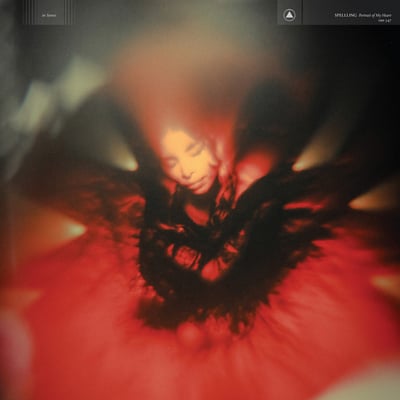
Spellling Portrait Of My Heart
Released Mar 28, 2025 Sacred Bones Records
Established consensus 9 professional reviews Updated Nov 30, 2025
Broadly positive consensus
Spellling's Portrait Of My Heart pushes Tia Cabral from witchy mystique into arena-minded, genre-blending spectacle, and critics mostly agree that the record's biggest triumphs come when maximalist ambition and taut songwriting meet.
How ChoruScore worksCritics' Top Tracks
The songs critics returned to most
Alibi
8 critic mentions
“You\u2019re a psychopath / And I loved you for that / But I won\u2019t take you back, this time.” — New Musical Express (NME)
Sometimes
8 critic mentions
“Portrait of My Heart ends with Cabral’s most explicit nod towards the universe of ’90s guitar music: a cover of “Sometimes” — Pitchfork
Portrait of My Heart
8 critic mentions
“opening, titular track is a symphonic lament soaked in the spindly shadow of late 70s goth rock” — The Skinny
Full critic consensus
Spellling's Portrait Of My Heart pushes Tia Cabral from witchy mystique into arena-minded, genre-blending spectacle, and critics mostly agree that the record's biggest triumphs come when maximalist ambition and taut songwriting meet. Across nine professional reviews that yield a 75.56/100 consensus score, reviewers consistently single out “Alibi”, “Sometimes”, the title track “Portrait of My Heart” and “Drain” as the album's defining moments, praising their blend of theatrical vocals, distorted guitars and pop hooks.
The critical consensus praises the shift toward alt-rock and power-ballad drama while noting trade-offs. Critics celebrated how “Alibi” channels pop-punk and Y2K guitar nostalgia into a scream-along centerpiece, and how “Sometimes” functions as a cathartic closer that spotlights Cabral's voice. Reviews from Pitchfork, NME and The Needle Drop emphasize the album's hooky immediacy and theatrical force, while Under The Radar and Clash point out occasions where pastiche and retro influence verge on imitation. Across professional reviews, recurring themes include vocal spotlighting, theatrical arrangements, genre-melding between synth-pop, goth and grunge, and an auteurist ambition that risks being overstuffed.
Taken together, the reviews frame Portrait Of My Heart as a bold, occasionally uneven reinvention: many critics found it emotionally vivid and exciting when the production coheres, yet some felt the maximalism sometimes buries subtler strengths. For readers wondering whether Portrait Of My Heart is worth listening to, the consensus score and repeated praise for standout tracks such as “Alibi”, “Sometimes” and “Drain” suggest a record with several essential songs and an audacious new direction in Spellling's catalog.
Track Ratings
How critics rated each track, relative to this album (0-100). Only tracks that made critics feel something are rated.
Portrait of My Heart
Keep It Alive
Alibi
Waterfall
Destiny Arrives
Ammunition
Mount Analogue
Drain
Satisfaction
Love Ray Eyes
Sometimes
Get the next albums worth your time.
Critic-backed picks in one clean digest. No clutter.
What Critics Are Saying
Deep insights from 10 critics who reviewed this album

Critic's Take
Spellling arrives with Portrait Of My Heart as a radiant, occasionally kitschy showing of Cabral’s auteurist impulses, where “Sometimes” and the title mood stand out. The reviewer's voice loves her penchant for whimsical synth lines and unabashed optimism, praising the furious charm of distorted guitars even when they threaten to sound like presets. It is in tracks such as “Sometimes” and the album’s centrepieces that Cabral’s emotional depth and brazen belief in tomorrow make the best songs on Portrait Of My Heart feel indispensable. The record’s best tracks are those that marry full-body orchestral sweep with pop-rock immediacy, yielding moments that feel like tablets rained down from the mountaintop.
Key Points
-
The best song is the closer, “Sometimes”, because its fantastical, cathartic rendition crystallizes the album’s emotional payoff.
-
The album’s core strength is Cabral’s auteurist vision: whimsical synths, orchestral sweep, and fearless pop-rock ambition that yields sustained emotional depth.
Themes


Critic's Take
Spellling’s Portrait Of My Heart foregrounds its best tracks with a bracing immediacy; the title track and “Alibi” hit as standout moments that define the album’s push-pull between tenderness and venom. Elsewhere, collaborations—Toro y Moi on “Mount Analogue” and Braxton Marcellous on “Drain”—add gravity, but it is the rawness of those lead tracks that answers searches for the best songs on Portrait Of My Heart and the best tracks on Portrait Of My Heart.
Key Points
-
The title track is best for its raw grunge energy and anthemic, direct refrain.
-
The album’s core strengths are bold genre-blending, emotional vulnerability, and striking collaborations.
Themes

Critic's Take
Spellling's Portrait of My Heart feels like a deliberate sonic excavation, and the best songs - “Alibi” and “Ammunition” - show Cabral at her most daring and unguarded. The reviewer's eye lingers on “Alibi” for its uncanny blend of Y2K pop-punk and hair metal oddness, and on “Ammunition” for an opera-rock sweep that blows preconceptions out of the water. Elsewhere, darker standouts such as “Drain” and “Love Ray Eyes” anchor the record's avant-pop reinvention while the closing “Sometimes” gives her vocal room to shine. The result is framed as the most honest and entrancing Spellling record to date, making these tracks the ones listeners ask about when searching for the best songs on Portrait of My Heart.
Key Points
-
Ammunition is the best song for its operatic, searing guitar and for overturning expectations of the artist.
-
The album's core strength is its fearless genre-melding and the way Cabral's voice is foregrounded across reinventions.
Themes

Critic's Take
On Spellling’s Portrait of My Heart the best tracks are the ones that throw the kitchen sink and make it sound intentional - “Destiny Arrives” and “Drain” stand out for their audacious grafting of classic rock and industrial textures. Shaun Soman writes with relish about how “Destiny Arrives” evokes Aerosmith while “Drain” collapses Soundgarden and Nine Inch Nails into a dramatic, nearly-epilogic moment. The record often thrills when its maximalist impulses cohere, even if strings, sitar and motifs sometimes get buried and keep the album from feeling fully complete.
Key Points
-
“Drain” is best for its dramatic fusion of Soundgarden and Nine Inch Nails textures and its epilogue-like structure.
-
The album’s core strength is its adventurous blending of orchestral pop with heavy rock and metal references, even if some elements are buried.
Themes

Critic's Take
In his brisk, detailed register Daniel Bromfield hears in Spellling’s Portrait of My Heart an album steeped in millennial angst and 90s guitar melodrama, where tracks like “Alibi” and “Keep It Alive” supply the record’s most immediate hooks. He writes with affectionate distance, noting how the album swaps some of Cabral’s old fairytale bewitchment for punk immediacy - the hooks on “Alibi” and “Keep It Alive” hit with scream-along jollity. The closer, her take on “Sometimes”, is called out as a bold centerpiece that favors immediacy over suggestion, summing up the record’s priorities. Overall Bromfield positions Portrait of My Heart as a confident, occasionally flaw-exposed reinvention destined to resonate with disaffected youth.
Key Points
-
“Alibi” stands out for its hook-forward, scream-along jollity that captures the album's punk immediacy.
-
The album's strengths are its fusion of 90s guitar nostalgia with themes of love, alienation, and outsider identity, delivered with immediacy.
Themes

Critic's Take
In this review Andy Steiner watches SPELLLING trade mystery for muscle on Portrait of My Heart, and he keeps coming back to the album’s most arresting moments - “Alibi”, “Waterfall”, and the center-ballad trio like “Destiny Arrives”. He praises how the band’s kinetic energy pushes Cabral into big, Avril-level hooks on “Alibi” and how “Waterfall” belting amplifies the record’s rock-star turn. Still, Steiner cautions that the directness that makes those best songs so immediate also strips away some of the otherworldly mystique that defined earlier SPELLLING records.
Key Points
-
The best song is "Alibi" for its peak-Avril-level hooks and placement in the album's propulsive opening.
-
The album's core strengths are its newfound band energy and direct, arena-ready songwriting balanced against a loss of earlier mystique.
Themes

Critic's Take
Spellling's Portrait Of My Heart reads like a deliberate swerve into straight alt rock, and the reviewer's ear lingers on the best tracks for doing so with conviction. He singles out “Portrait of My Heart” as a thrilling opener built on \"engrossing nervous energy\" and maximalist beauty, and praises the closing cover “Sometimes” for using Cabral's voice to add something new to a classic. He also flags “Alibi” and “Satisfaction” as recognisably power-chord and post-grunge pastiches that are fun but slightly hollow. Overall the piece frames the album as ambitious and skilful, yet undone by a lingering sense of retro imitation rather than full transcendence.
Key Points
-
The best song is the title track because its nervous energy and maximalist layers make it feel most singular.
-
The album's core strengths are clear ambition and strong vocal performances, offset by an overreliance on retro pastiche.
Themes
Th
Critic's Take
Spellling's Portrait Of My Heart mostly succeeds because the record's biggest moments land with theatrical force, especially on “Alibi” and the title track. There's praise for the adventurous turn into heavier guitar territory, even when songs like “Satisfaction” feel overblown, and a genuine admiration for the closing cover “Sometimes” as a powerful finisher. Overall the best tracks on Portrait Of My Heart stand out because they balance SPELLLING's dramatic theatricality with real songwriting payoff.
Key Points
-
The best song, "Alibi", is the most anthemic and showcases the album's theatrical rock energy.
-
The album's core strengths are dramatic vocal performances, adventurous rock experimentation, and strong songwriting despite occasional mixing missteps.
Themes

Critic's Take
Spellling's Portrait Of My Heart is a chameleon-like triumph that keeps the listener on their toes, with the best songs pushing genre boundaries - notably “Satisfaction” and the title track. The record delights in sudden turns: “Satisfaction” barrels from whimsical pop into thrash and nu-metal fury, while the title track is cinematic and operatic with an earworm riff and raw, intimate lyrics. Tracks like “Destiny Arrives” and “Drain” showcase intricate time-signature shifts and textural grit, proving the best tracks on Portrait Of My Heart are those that embrace bold contrasts and theatrical scope.
Key Points
-
“Satisfaction” is the best song due to its audacious shift from pop whimsy into thrash/nu-metal intensity with a standout solo and outro.
-
The album’s core strength is fearless genre-blending and theatrical, intricate arrangements that make each standout track feel distinct and original.