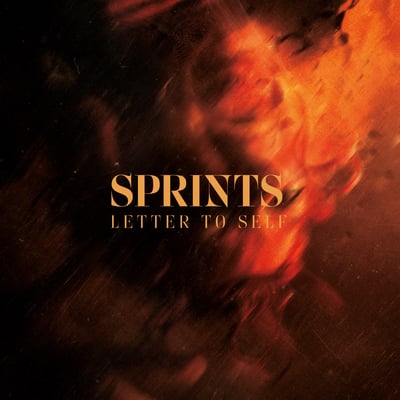
Sprints Letter to Self
Released Jan 5, 2024 City Slang
Consensus forming 3 professional reviews Updated Oct 4, 2026
Strong critical consensus
Consensus is still forming across 3 professional reviews. Sprints's Letter to Self lands like a live show captured in furious technicolor, and across professional reviews critics largely agree it succeeds.
How ChoruScore worksCritics' Top Tracks
The songs critics returned to most
Shadow of a Doubt
1 critic mention
“the showstopping ‘Shadow of a Doubt” — DIY Magazine
Ticking
3 critic mentions
“Not since Therapy?' s heyday has there been an Irish drum sound as fearsome as the one on album opener ‘Ticking’, a devastating statement of intent” — Hot Press
Cathedral
1 critic mention
“Chubb further proclaims on ‘Cathedral’, a mixture of white hot anger and two-fingered defiance which features riffing of the metallic Black Sabbath variety” — Hot Press
Full critic consensus
Sprints's Letter to Self lands like a live show captured in furious technicolor, and across professional reviews critics largely agree it succeeds. With a 90/100 consensus score from three reviews, the record channels garage-punk energy into a raw, melodic post-punk catharsis where exasperation and defiance power every hook. Opener “Ticking” repeatedly surfaces as the album's kinetic center, its heartbeat kick drum and banshee crescendos earning near-universal praise.
Reviewers consistently point to Karla Chubb's explosive vocals and the band's knack for quiet-to-loud dynamics as defining strengths. Critics singled out “Ticking”, “Shadow of a Doubt”, “Heavy” and “Cathedral” as standout tracks, while “Literary Mind” and “Adore Adore Adore” showcased the group's melodic reach and radio-ready edges. Themes that recur across reviews include anger and defiance, identity and sexuality threaded through confrontational lyrics, and a nostalgic yet immediate garage-rock thrust that feels honed by touring.
While praise dominates, reviews note the record's relentlessness can feel overwhelming at times, making its catharsis as polarizing as it is propulsive. For readers searching for a concise verdict on Letter to Self, the critical consensus suggests it's a must-listen for those drawn to urgent post-punk with big hooks and live-wire intensity. Below, the full reviews unpack why these best songs on Letter to Self emerge as its emotional and sonic peaks.
Track Ratings
How critics rated each track, relative to this album (0-100). Only tracks that made critics feel something are rated.
Ticking
Heavy
Cathedral
Shaking Their Hands
Adore Adore Adore
Shadow of a Doubt
Can't Get Enough of It
Literary Mind
A Wreck (A Mess)
Up and Comer
Letter to Self
Get the next albums worth your time.
Critic-backed picks in one clean digest. No clutter.
What Critics Are Saying
Deep insights from 3 critics who reviewed this album

Critic's Take
Sprints channel a contagious anger into Letter to Self, and the review picks out the best tracks on Letter to Self with forensic relish - the claustrophobic push of “Ticking” and the showstopping momentum of “Shadow of a Doubt”. Ben Tipple’s tone is urgent and vivid, noting how Karla Chubb’s frustrated musings and literal breakdowns make these songs the album’s emotional peaks. The closing title track “Letter to Self” is framed as catharsis, a rousing release that completes the record’s narrative arc. In short, for listeners asking what the best songs on Letter to Self are, the review points squarely to “Ticking”, “Shadow of a Doubt” and the title track as its standout moments.
Key Points
-
The best song is arguably "Shadow of a Doubt" because the reviewer calls it "showstopping" and an emotional peak.
-
The album’s core strengths are its raw anger, cathartic release, and Karla Chubb’s candid exploration of identity.
Themes
Ho
Critic's Take
SPRINTS sound like a band who have honed a ruthless live edge into studio gold on Letter to Self, with opener “Ticking” kicking you in the gut and making zero apologies. Stuart Clark’s review revels in Karla Chubb’s explosive vocals and punky paranoia, singling out “Heavy” and “Cathedral” as prime examples of the album’s muscular melodicism. He praises the variety too, noting “Adore Adore Adore” stalks before it kills and the radio-friendly arch of “Literary Mind” keeps the momentum. The result is a debut that, in his view, ranks with the best Irish first albums and gives clear guidance on the best songs on Letter to Self.
Key Points
-
The best song, “Ticking”, is the album's devastating statement of intent with a fearsome drum sound and explosive vocals.
-
The album’s core strengths are muscular melodicism, Karla Chubb’s vocal power, and varied songwriting that avoids sameness.
Themes

Critic's Take
Sprints sound urgent and unrepentant on Letter to Self, and the best songs on the album underline that push. Opener “Ticking” grabs you immediately with its heartbeat kick drum and a banshee-wailing crescendo, while “Literary Mind” is the record's brightest, four-and-a-half minute belter. Elsewhere, “Adore Adore Adore” and “Up and Comer” crystallise the band’s knack for quiet/loud dynamics and furious rebuttals, proving why these are often cited as the best tracks on Letter to Self. The reviewer’s ear for melody and vitriol makes clear these songs are the album’s centrepieces and crowd-pleasers.
Key Points
-
“Literary Mind” stands out as the album’s brightest, most joyous track and is called the record's finest moment.
-
The album’s core strengths are punchy garage-rock energy, sharp melodies, and direct lyrical anger and self-reflection.