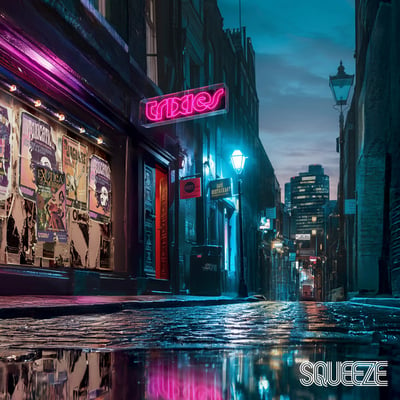
Squeeze Trixies
Released Mar 6, 2026 BMG Rights Management (UK) Ltd.
Established consensus 11 professional reviews Updated Mar 20, 2026
Broadly positive consensus
Squeeze's Trixies unfolds like a recovered youthful fantasia, a theatrical rock-opera of desire and doubt that pairs pub-rock grit with Bowie-era glam and theatrical storytelling.
How ChoruScore worksCritics' Top Tracks
The songs critics returned to most
What More Can I Say
3 critic mentions
“The proceedings begin with “What More Can I Say” and “You Get the Feeling,” two breezy acoustic numbers” — Spin
Trixies, Pt. 2
3 critic mentions
“The band are watching another fight/The heroin pushers appear at night.” — Louder Than War
The Place We Call Mars
7 critic mentions
“Dyed-in-the-wool Bowie fans, they walk the more fatalistic passages of Ziggy Stardust on The Place We Call Mars” — Record Collector
Full critic consensus
Squeeze's Trixies unfolds like a recovered youthful fantasia, a theatrical rock-opera of desire and doubt that pairs pub-rock grit with Bowie-era glam and theatrical storytelling. Across professional reviews, critics point to moments of vivid character study and melodic invention that make the record feel both like a historical time capsule and a rewarding listen for fans seeking the best songs on Trixies.
The critical consensus is broadly favorable: Trixies earned a 78.55/100 consensus score across 11 professional reviews, with reviewers consistently praising character-driven lyrics and the album's genre-blending ambition. Standout tracks that recur in reviews include “What More Can I Say”, “Hell on Earth”, “Trixies, Pt. 2” and “The Place We Call Mars”. Critics celebrated “What More Can I Say” for its sleepy electric piano and melodic charm, while “Hell on Earth” and “The Place We Call Mars” drew frequent comparisons to Bowie and Sparks for their glam reach and dramatic hooks. Several reviewers also highlighted the theatrical closers “Trixies, Pt. 1” and “Trixies, Pt. 2” as effective narrative payoffs.
Not every critic gave unqualified praise: some found the hooks uneven or the concept better appreciated in performance context than as a standalone pop record. Yet most professional reviews agreed that Difford and Tilbrook's juvenilia, rescued and performed with seasoned craft, offers memorable scenes of Soho nightlife, drinking-culture sleaze and youthful imagination that feel lived-in rather than merely nostalgic. For readers wondering "is Trixies good" or "what are the best songs on Trixies", the consensus suggests a must-listen for devoted fans and curious newcomers alike, especially for the tracks named above. The detailed reviews below unpack how these theatrical, character-driven songs map onto Squeeze's wider catalog and 1970s influences.
Track Ratings
How critics rated each track, relative to this album (0-100). Only tracks that made critics feel something are rated.
What More Can I Say
You Get the Feeling
The Place We Call Mars
Hell on Earth
The Dancer
Good Riddance
Don't Go Out in the Dark
Why Don't You
Anything but Me
It's Over
The Jaguars
Trixies, Pt. 1
Trixies, Pt. 2
Get the next albums worth your time.
Critic-backed picks in one clean digest. No clutter.
What Critics Are Saying
Deep insights from 10 critics who reviewed this album

Critic's Take
Squeeze's Trixies reads like a recovered fantasia, and the review makes clear the best songs are those that conjure place and character, notably “What More Can I Say” and “The Dancer”. The writer revels in the record's comparative innocence and precocious variety, praising “What More Can I Say” for transporting the listener via "sleepy electric piano and jazzy guitar" and “The Dancer” for its demeaning striptease vignette. The tone is celebratory and slightly astonished, positioning these best tracks as central to why Trixies might even rival the band's finest albums.
Key Points
-
What More Can I Say is the album's best track because it immediately transports the listener and sets the Soho-club scene.
-
The album's core strength is its youthful inventiveness and theatrical variety across song forms.
Themes

Critic's Take
Squeeze’s Trixies reads like a recovered time capsule, and the best songs on Trixies - notably “Don’t Go Out In The Dark” and “Trixies, Pt. 2” - show why the album feels both immediate and theatrical. The reviewer relishes the uneasy organ that centers “Don’t Go Out In The Dark”, and praises the finale, with “Trixies, Pt. 1” and “Trixies, Pt. 2” bringing the story to a powerful close. There is admiration for Tilbrook and Difford assuming characters, and the record’s blend of hard rock edges and melodic vocals makes these tracks the standout moments. Overall, the songs singled out prove why Trixies is both a brilliant historical piece and one of Squeeze’s most compelling returns.
Key Points
-
The best song, “Don’t Go Out in the Dark”, stands out for its uneasy mood and organ-centered arrangement.
-
The album’s strengths are its storytelling concept, character-driven lyrics, and successful fusion of melodic vocals with hard rock energy.
Themes
mu

Critic's Take
In his bright, conversational tone Robert Plummer celebrates Squeeze's recovered youthful ambition on Trixies, naming "What More Can I Say" and "Trixies, Pt. 2" among the album's best songs for setting the scene and turning up the sleaze in satisfying, theatrical detail. He delights in the record's baroque pop melodicism and aching harmonies, and treats "Good Riddance" and "Don't Go Out In The Dark" as highlights that prove the songwriting was already fully formed. The narrative voice is warm and admiring, relishing how these long-lost songs finally get their moment and why fans seeking the best tracks on Trixies will find real rewards.
Key Points
-
The best song is the opening "What More Can I Say" because it functions as a compelling overture that sets the album’s weary, theatrical mood.
-
The album’s core strengths are its vivid nightclub storytelling, memorable melodies, and the emotional maturity of Difford and Tilbrook’s early songwriting finally realised.

Critic's Take
In his measured, affectionate voice Eoghan Lyng argues that Squeeze's Trixies is both a vivid rock opera and a collection of strong singles, with “Hell on Earth” and “The Place We Call Mars” standing out for their hooks and dramatic flourishes. Lyng writes like a music scholar who still loves to be surprised, praising the gospel-tinged intensity of “Hell on Earth” and the Paul McCartney-esque guitar excitement of “The Place We Call Mars”. He flags “Anything but Me” and “The Dancer” for their period-authentic piano and weathered vocals, noting how the record wears time like character rather than damage. The result answers searches for the best songs on Trixies by pointing listeners toward those tracks while insisting the album remains fun and imaginatively told.
Key Points
-
“Hell on Earth” is the best song because of its gospel foundation, dramatic piano and exhilarating instrumental bridge.
-
The album's core strengths are its youthful imagination, tight songwriting, and ability to sound both classic and fun.
Themes

Critic's Take
In a clear-eyed reappraisal of Squeeze's past, Squeeze revive a teenage concept with unexpected flair on Trixies. The review leans toward praise for songs like “The Place We Call Mars” and “The Jaguars” as evidence that the Difford-Tilbrook juvenilia already contained the seeds of their later mastery. The record's theatrical bent and busier melodies make the best tracks feel like curiosities from an alternate Squeeze rather than simple archival leftovers. Overall, the critic finds Trixies smart and unexpected, a show of accomplished production and limber arrangements that make the best songs stand out.
Key Points
-
The Jaguars is the best track because it most convincingly channels classic Squeeze and could have fit on earlier albums.
-
The album's core strengths are ambitious production and a theatrical, alternate-universe sound that reveals the songwriters' early promise.
Themes

Critic's Take
Squeeze's Trixies is presented as a theatrical curiosity and the best tracks - notably “The Place We Call Mars” and “Hell on Earth” - showcase the 1974 origins with vivid borrowings from Bowie and Sparks. Hann writes with an amused, slightly wry detachment, pointing out that those songs contain "great bits" where the band-to-be peeks through, but he insists the album lacks the hooks to stand alone. The review frames the album as a rewarding experience in performance context rather than a replacement for classics like Trixies's predecessors.
Key Points
-
The best song moments, led by "The Place We Call Mars", work because they vividly channel 1974 influences and hint at the future Squeeze sound.
-
The album's core strengths are its theatrical conceit and period-accurate musical details, though it lacks standalone hooks.
Themes
Th
Critic's Take
The review reads like a rueful cheer for Squeeze, noting how Trixies is a fanciful rejig of a teenage concept, performed with the weariness and toil of a band that "have worked their arses off". The writer frames the album as both nostalgic and imperfect, explaining that the central idea from 1974 still flickers but sometimes sounds youthful in a way that undercuts polish. The tone is conversational and slightly wry, positioning Trixies as an interesting, flawed curio rather than a triumphant return.
Key Points
-
No individual tracks are discussed by name, so no ranked best song can be identified from the review.
-
The album's core strength is its nostalgic concept and the evident toil and craft of the band's central duo.
Sp
Critic's Take
Squeeze's Trixies reads like a recovered treasure, the sort of youthful rock opera that still thrills for its ambition and songs. The reviewer's delight lands on best songs like “What More Can I Say” and “The Place We Call Mars”, praised for breezy acoustic charm and Bowie-esque glam reach respectively. He relishes the theatrical sweep and vivid characters, arguing that tracks such as “Hell on Earth” and “The Jaguars” carry Stiff-era energy and cheeky pop invention. Ultimately, the record feels like Difford and Tilbrook's late-career masterpiece, a collection whose best tracks make the case for Trixies as essential listening for fans seeking the best songs on Trixies.
Key Points
-
The best song is praised for its Bowie-esque glam and Tilbrook's Mick Ronson channeling on "The Place We Call Mars".
-
The album's core strengths are theatrical storytelling, sophisticated songwriting, and stylistic variety rooted in pub rock.
Themes

Critic's Take
In Sasha Geffen’s voice, the record’s concern is whether a song can ever bridge the gap between singer and listener, and that question frames the best tracks on Trixies. The review circles intimate, aching moments where characters reach and miss, so the standout moments are those that make that failure feel gorgeous, like a narrator pinned to a single image. Geffen’s sentences move between vivid genre collisions and tender doubt, which is why the album’s strongest pieces feel both muscular and fragile. Read as a whole, Trixies rewards the listener seeking the best songs on Trixies with tracks that dramatize longing and genre play.
Key Points
-
The best songs are those that dramatize whether a song can reach another person, making missed connection feel beautiful.
-
The album’s core strength is its pleasure in blending disparate 1990s genres while keeping an emotional throughline of desire and doubt.