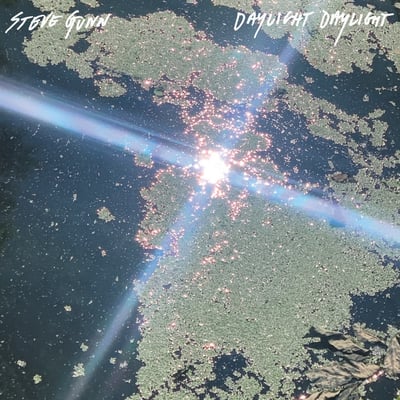
Steve Gunn Daylight Daylight
Released Nov 7, 2025 No Quarter
Established consensus 5 professional reviews Updated Oct 1, 2026
Broadly positive consensus
Steve Gunn's Daylight Daylight arrives as a quietly triumphant, autumnal record that favors slow-burning revelation over spectacle, and critics generally agree it rewards patient listening.
How ChoruScore worksCritics' Top Tracks
The songs critics returned to most
Nearly There
5 critic mentions
“The songs themselves are uniformly relaxed in tempo with a meditative likeness” — AllMusic
Morning on K Road
5 critic mentions
“the web of notes that underpins ‘Morning On K Road’ lifts the record to a pastoral, Autumnal plane” — Clash Music
Daylight Daylight
4 critic mentions
“The title track is a highlight of the album’s second half, glowing with Mellotron and organ” — Dusted Magazine
Full critic consensus
Steve Gunn's Daylight Daylight arrives as a quietly triumphant, autumnal record that favors slow-burning revelation over spectacle, and critics generally agree it rewards patient listening. Across five professional reviews the album earned a 77/100 consensus score, with praise centering on Gunn's intricate fingerpicking, James Elkington's restrained orchestral touches, and the pastoral stillness that frames songs like “Nearly There”, “Morning on K Road” and the title track “Daylight Daylight”.
The critical consensus highlights a handful of standout tracks: reviewers consistently point to “Nearly There” as the record's emotional fulcrum, while “Morning on K Road” and “Daylight Daylight” are celebrated for their hushed grandeur and melodic clarity. Additional favorites named across reviews include “Hadrian's Wall” and “Loon”, both noted for meditative pacing, chamber-folk strings, and moments of Jansch-like guitar craft. Critics praise the album's themes of renewal, memory, mortality and quiet intensity, and many underscore Elkington's arrangements for turning minimalism into cinematic resonance.
Not all responses are unanimous: some reviewers flag occasional drift and songs that trade immediacy for atmosphere, so while the record's simplicity and meditative songwriting are widely admired, a few critics found parts less memorable on first spin. Overall, the consensus suggests Daylight Daylight is worth listening to for those seeking intimate, pastoral chamber-folk and for listeners hunting the best songs on Daylight Daylight that unfold slowly into lasting rewards. Below, the full reviews map how these slow-burning compositions stake their claim in Gunn's catalog.
Track Ratings
How critics rated each track, relative to this album (0-100). Only tracks that made critics feel something are rated.
Nearly There
Morning on K Road
Another Fade
Hadrian's Wall
Daylight Daylight
Loon
A Walk
Get the next albums worth your time.
Critic-backed picks in one clean digest. No clutter.
What Critics Are Saying
Deep insights from 7 critics who reviewed this album

Critic's Take
Gunn's Daylight Daylight quietly stakes its claim with a gentleness that rewards close listening; the best songs on Daylight Daylight—especially "Hadrian's Wall," "Loon," and the title track—unspool in meditative, mesmerizing ways. The album leans into minimalism and hushed orchestral touches, making "Hadrian's Wall" feel like a centerpiece and "Loon" a quietly arresting highlight.
Key Points
-
"Hadrian's Wall" is the standout for its mesmerizing, centerpiece quality and Elkington's gorgeous arrangements.
-
The album's core strengths are its minimal, meditative songwriting and subtle orchestral arrangements that create a hopeful, curious journey.
Themes

Critic's Take
In his quietly affectionate tone Robin Murray presents Steve Gunn's Daylight Daylight as a stripped-back restart, where the best songs - notably “Daylight Daylight” and “Loon” - reveal sparks of magic and Jansch-esque guitar craft. He frames “Nearly There” and “Morning On K Road” as gentle openers that lift the record to a pastoral, Autumnal plane, while “Another Fade” and “Hadrian's Wall” supply brooding ballast and muscular assertion. The narrative keeps to Murray's measured, slightly reverent voice, arguing that the album's meditative simplicity and producer James Elkington's arrangements make these tracks the best on Daylight Daylight.
Key Points
-
The title track “Daylight Daylight” stands out as the album's emotional and arrangement centerpiece.
-
The album's core strengths are its stripped-back minimalism, pastoral atmosphere, and Gunn's understated guitar craftsmanship.
Themes
Ho
Critic's Take
Steve Gunn has crafted on Daylight Daylight a quietly triumphant set where the best songs reward patience and repeat listens. The reviewer's voice lingers on “Morning on K Road” as the undoubted highlight, praising its "beautiful melancholia" and tender fingerpicking, while slower pieces like “Another Fade” and “Hadrian's Wall” are recommended for those seeking the best tracks on Daylight Daylight. The tone is admiring and exacting, noting that these compositions are "anything but immediate" and that they "sneak up on you," so the best songs here are the ones that unfold slowly and resist direct approaches.
Key Points
-
Morning on K Road is the best song, a masterpiece of tender fingerpicking and melancholia.
-
The album's core strength is its slow-burning, cinematic arrangements that reward patient listening.
Themes

Critic's Take
Steve Gunn’s Daylight Daylight is a tender, twilit record where the best songs - notably “Nearly There” and “Morning on K Road” - trade grandeur for intimate, patient detail. The reviewer’s prose lingers on Gunn’s long, looping lines and the diffused beauty of Elkington’s strings, arguing that the album’s best tracks are miniatures that feel majestic yet domestic. There is a calm acceptance throughout, and the best tracks on Daylight Daylight testify to renewal rather than fear, each song feeling like a small, exquisitely restored object. Overall, the record favors quiet revelation over spectacle, which is precisely why listeners seeking the best songs on Daylight Daylight will return to these hushed highlights.
Key Points
-
“Nearly There” is the best song because its acoustic clang, strings, and consoling lyrics crystallize the album’s themes of mortality and tenderness.
-
The album’s core strengths are patient arrangements, intimate melodies, and the use of negative space to render profound emotional clarity.
Themes

Critic's Take
Steve Gunn’s Daylight Daylight moves in a sunlit, folky register, and the best tracks - particularly “Nearly There” and the title track “Daylight Daylight” - capture that easy, aching charm. The reviewer lingers on “Nearly There” as the record’s most engaging song, with its bittersweet chord and suspended strings creating genuine drama. Meanwhile the title track glows with Mellotron and organ, making it one of the best songs on Daylight Daylight for its late-set highlight. The rest of the album flows likably and languidly, sometimes drifting toward forgettable, but these standout moments keep you returning.
Key Points
-
“Nearly There” is best for its bittersweet chord progression and sustained strings that create real drama.
-
The album’s core strengths are its intimate acoustic feel, tasteful string arrangements, and nostalgic folk influences.
KL
Critic's Take
In his characteristically atmospheric way, Steve Gunn’s Daylight Daylight finds its best tracks in the long, slow-burning pieces - notably “Nearly There” and “Hadrian's Wall” - where sustained quiet intensity and Nick Drake-inflected strings carry the album. The record often slips from chamber-folk into low-key art-rock and jazz, and it is on “Morning on K Road” and the hypnotic “Another Fade” that Gunn’s understated surprises and gentle crescendos land most cleanly. Even the more straightforward “Loon” provides a moment of clarity, while closing cut “A Walk” showcases his slippery, hard-to-pin-down guitar voice. Overall, these are the best songs on Daylight Daylight because they balance pastoral restraint with sudden, luminous details.
Key Points
-
The best song is "Nearly There" because its sustained, quiet intensity and stretched arrangements exemplify Gunn's strengths.
-
The album's core strengths are its layered instrumentation, subtle mood shifts, and balance of chamber-folk restraint with occasional art-rock daring.
Themes

Critic's Take
Steve Gunn writes with a quiet, observant intimacy on Daylight Daylight, and the best songs - particularly “Daylight Daylight” and “Loon” - embody that hush of wonder and melancholy that the review celebrates. The piece relishes small moments, describing how the title track arrived late at night and captured "a sense of impending doom, but also a sense of peace," which is precisely why listeners seeking the best tracks on Daylight Daylight will find themselves returning to “Daylight Daylight” and “Loon” again and again. The reviewer emphasizes Gunn's move toward intimacy and simplicity, and it is those pared-down arrangements that make the standout songs feel immediate and humane.
Key Points
-
The title track "Daylight Daylight" is the album's emotional centerpiece, capturing both doom and peace and anchoring the record.
-
The album's core strengths are its intimate, spare arrangements and lyrical focus on rebirth, nature, and quiet revelation.