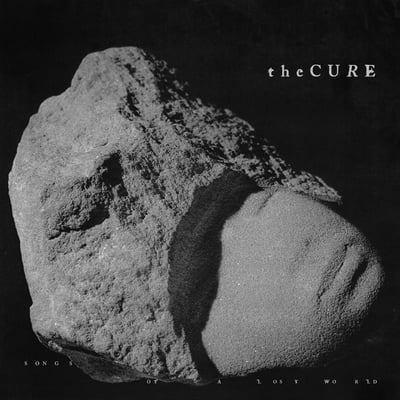
The Cure Songs of a Lost World
Released Nov 1, 2024 Polydor Records
Established consensus 23 professional reviews Updated Oct 2, 2026
Strong critical consensus
The Cure's Songs of a Lost World returns the band to a grand, elegiac register where memory, grief and cinematic sound coalesce into some of their most affecting late-period work.
How ChoruScore worksCritics' Top Tracks
The songs critics returned to most
Alone
22 critic mentions
“The opening pair of songs, Alone and And Nothing Is Forever, could've fit neatly onto Disintegration” — The Skinny
Endsong
21 critic mentions
“The 10-minute opus of ‘Endsong’ – always intended as the album closer – circles back to that full stop” — New Musical Express (NME)
I Can Never Say Goodbye
20 critic mentions
“As lightning splits the sky apart, I’m whispering his name / He has to wake up ,” — New Musical Express (NME)
Full critic consensus
The Cure's Songs of a Lost World returns the band to a grand, elegiac register where memory, grief and cinematic sound coalesce into some of their most affecting late-period work. Across professional reviews critics consistently single out “Alone”, “Endsong” and “I Can Never Say Goodbye” as the record's emotional anchors, praising the opener's glacial sweep, the ten-minute closer's cathartic weight, and the piano-led elegy at the center of the sequence. With a consensus score of 88.61/100 from 23 professional reviews the critical consensus suggests the album is not only good but a notable, triumphant return for a band negotiating mortality and memory with rare dignity.
Reviewers agree the collection trades in widescreen production and live-band texture - orchestral arrangements, reverberant guitars and cinematic keys - to balance beauty against doom-and-gloom. Critics repeatedly note themes of impermanence, regret and bittersweet nostalgia; some praise the renewed-band-energy and grandeur while others flag moments where the record's glacial pacing risks excess. Standout tracks named across reviews include “Alone”, “Endsong”, “I Can Never Say Goodbye”, “And Nothing Is Forever” and “Drone:Nodrone”, the latter credited for injecting bite and variety into an otherwise mournful arc.
Taken together the professional reviews frame Songs of a Lost World as a powerful late-career statement that rewards slow listening: its best songs crystallize Robert Smith's vulnerability and the band's capacity for melancholic grandeur, and while a few critics note uneven moments, the consensus celebrates an album that translates private mourning into public, triumphant music. Scroll down for full reviews and track-by-track takes on the best songs on Songs of a Lost World.
Track Ratings
How critics rated each track, relative to this album (0-100). Only tracks that made critics feel something are rated.
Alone
And Nothing Is Forever
A Fragile Thing
Warsong
Drone:Nodrone
I Can Never Say Goodbye
All I Ever Am
Endsong
Get the next albums worth your time.
Critic-backed picks in one clean digest. No clutter.
What Critics Are Saying
Deep insights from 24 critics who reviewed this album
Ho
Critic's Take
In his unmistakable, elegiac register Will Russell treats The Cure's Songs of a Lost World as a late-life masterpiece, and he singles out “Endsong” and “Alone” as twin bookends that crystallise its grief and consolation. He lingers on the six-minute, riff-storming expanse of “Endsong”, noting its sparse lyrics and agonising delivery, and he pairs it with the elongated, exquisite instrumental of “Alone” to explain why these are the best tracks on Songs of a Lost World. The review strikes a reverent, almost awed tone, arguing that at 65 Robert Smith offers "magnificent succour" and confirms the album's status among the band's greats.
Key Points
-
The best song is “Endsong” because its six-minute instrumental and agonising final lines crystallize the album's grief.
-
The album's core strength is its late-life emotional clarity, pairing stark mortality with consolatory melodies.
Themes

Critic's Take
The Cure's Songs of a Lost World is a late-career triumph that trades in the familiar tidal swirls of reverb and aching romance while still sounding vital. Helen Brown relishes how songs like “A Fragile Thing” and opener “Alone” slip listeners back into teenage intensity, moaning lines that transport original fans straight to that youthful wallow. The review praises the record's immersive production and memorable melodies, noting the shanty-ghost accordion of “Warsong” and the squalling solo on “Drone:Nodrone” as highlights. It reads like a fond letter to listeners who still know how to luxuriate in musical misery, asserting plainly that nobody does it better.
Key Points
-
The best song, "A Fragile Thing", stands out for a moaning vocal line that transports original fans back to youthful intensity.
-
The album’s core strengths are immersive, nostalgic production, memorable melodies, and a consistent atmosphere of gothic melancholy.
Themes

Critic's Take
In his measured, affectionate tone Lewis Wade finds The Cure's Songs of a Lost World a genuine return to the desolate beauty of their 80s heyday, singling out “Alone” and “And Nothing Is Forever” as immediate standouts. He admires how the record reconstructs the cinematic sweep of keys and guitar, where vocals arrive late and laments linger, so “Alone” and “And Nothing Is Forever” read as the best tracks on Songs of a Lost World. The review praises the album's odes to grief and impermanence, noting also the plaintive piano of “I Can Never Say Goodbye” and the screeching guitars of “Warsong” and “Endsong” as powerful moments. Wade's language is appreciative rather than nostalgic, framing these songs as perfectly constructed reckonings with time, mortality and fragile love.
Key Points
-
The best song is “Alone” because it, with its late-arriving vocals and cinematic sweep, encapsulates the album's return to Disintegration-era beauty.
-
The album's core strengths are its cohesive sonic blueprint, elegiac lyricism about mortality, and the band's ability to craft potent, desolate atmospheres.
Themes

Critic's Take
The Cure sound ruinous and consoling on Songs of a Lost World, where the best songs - “Alone”, “And Nothing Is Forever” and “I Can Never Say Goodbye” - turn grief into a majestic, aching cinema. Andrew Trendell’s prose lingers on the album’s merciless tenderness, noting how opener “Alone” sets the scene and how “And Nothing Is Forever” ranks among the band’s euphoric sighs. The review treats “I Can Never Say Goodbye” as an emotional H-bomb that lays waste in the most powerful, personal way. In short, the best tracks on Songs of a Lost World are the ones that pair gothic bleakness with unexpected hooks and genuine heart.
Key Points
-
The best song, "I Can Never Say Goodbye", is the emotional centerpiece because it channels personal grief into a powerful, cathartic performance.
-
The album’s core strengths are its candid engagement with mortality and its mix of gothic darkness with melodic, cinematic arrangements.
Themes

Critic's Take
In a voice soaked with long-time devotion the reviewer presents The Cure's Songs of a Lost World as a sombre, triumphant late-period statement that yields clear best tracks like “And Nothing Is Forever” and “Endsong”. The piece praises the album's glacial pacing and filthy low end, arguing that songs such as “Warsong” and “Drone:Nodrone” push the band into punishing, alt-metal textures while the opener “Alone” eases us in with midtempo grace. The reviewer frames “I Can Never Say Goodbye” as gutwrenching and positions “All I Ever Am” as the sole small misstep, keeping the tone elegiac yet admiring. Overall it reads like a critic who has lived with the band, calling this record both a possible farewell and a reminder of their continued vitality.
Key Points
-
The reviewer highlights "And Nothing Is Forever" as the album's most gorgeous and emotionally resonant track.
-
The album's core strengths are its elegiac pacing, filthy low end, thematic meditations on grief and ageing, and renewed band chemistry.
Themes

Critic's Take
The Cure’s Songs of a Lost World is at its best when it luxuriates in bleak, expansive melodies, and the review makes clear the best tracks on Songs of a Lost World are “Alone” and “Endsong”. Ryan Reed praises “Alone” as triumphant yet defeated, a seven-minute mountain climb of synth chill and booming drums, and he frames “Endsong” as a slow-building extension of that beautiful misery with a Gabrels guitar screech. He also singles out “A Fragile Thing” for its hooky, upbeat contrast and “I Can Never Say Goodbye” for its twinkling elegy, making these the album’s emotional anchors. Read as a whole, the record comforts by sharing universal pain rather than wallowing in it, which is why these songs stand out as the best tracks on the album.
Key Points
-
“Alone” is the best song because it combines triumphant defeat, expansive seven-minute scope, and powerful drum-and-synth production.
-
The album’s core strengths are its melancholic grandeur, vivid imagery, and comforting empathy in shared sorrow.
Themes

Critic's Take
The Cure sound uncanny in places on Songs of a Lost World, where the best tracks - notably “Alone” and “And Nothing Is Forever” - feel like small miracles of the band rediscovering its touch. The reviewer's tone is wry and affectionate, noting that “Alone” arrives with the sort of patient craft that makes it one of the best tracks on Songs of a Lost World. Elsewhere, “And Nothing Is Forever” is praised for marrying memory and melody, proving the album's strengths lie in its quiet insistence and emotional clarity. The result is a comeback that mostly convinces, balancing familiar shadows with renewed purpose.
Key Points
-
The best song, “Alone”, stands out for its patient craft and emotional clarity.
-
The album's core strengths are its return-to-form nostalgia and quietly assured songwriting.
Themes

Critic's Take
The Cure's Songs of a Lost World feels like a sprawling masterpiece, where the best songs - notably “Alone” and “Endsong” - stake their claim through sheer emotional heft. Dom Gourlay writes with affectionate certainty, calling opener “Alone” an epic introduction and praising the nearly ten-and-a-half-minute “Endsong” as the glorious closer that encapsulates everything great about the record. The review highlights other standout moments such as “A Fragile Thing” and “Drone:Nodrone” while stressing that the album demands to be heard in full rather than cherry-picked for singles. In Gourlay's measured, reverent tone, this is a momentous, welcome return that ranks among The Cure's finest works.
Key Points
-
The best song, "Endsong", is the album’s emotional and musical summit, nearly ten-and-a-half minutes and a definitive closer.
-
The album's core strengths are its melancholic orchestration, thematic focus on love and loss, and cohesive, full-album listening experience.
Themes
mu

Critic's Take
The Cure's Songs of a Lost World feels like a late-career miracle, its best tracks turning familiar melancholia into something grand and new. The opener “Alone” immediately proves vital, its nearly seven-minute sweep setting a mood that carries across the record. Equally striking are “Drone:Nodrone” with its tormented groove and “All I Ever Am” for its cinematic drive, both serving as the album's fiercest moments. The ten-minute closer “Endsong” hammers home the record's themes of loss and impermanence, making the best songs on Songs of a Lost World feel like late masterpieces.
Key Points
-
The opener "Alone" best demonstrates the album's immersive, slow-building grandeur and sets the tone for the record.
-
The album's core strengths are sustained melodic melancholia, thematic coherence around loss, and moments of cinematic, late-career ambition.
Themes
Cl
Critic's Take
The Cure’s Songs of a Lost World feels like a darker cousin to Disintegration, and the review savours songs such as “Alone” and “I Can Never Say Goodbye” for their bleak grandeur. The writer’s measured, reverent tone praises the exquisite piano and soaring keyboards on “And Nothing Is Forever” while calling “Endsong” a ten-minute encapsulation of the album’s desolation. The narrative stresses catharsis and personal grief as the record’s engine, framing these best tracks as the emotional core that makes this album stand out in 2024.
Key Points
-
The best song is the closing “Endsong” because it encapsulates the album’s bleak desolation and serves as an unforgiving parting shot.
-
The album’s core strengths are its intense personal catharsis, orchestral arrangements, and a mood that places it above contemporary goth revivalists.
Themes

Critic's Take
The Cure have delivered a bruised, elegiac record with Songs Of A Lost World, where the best songs - “Alone” and “Endsong” - bind the album in a sombre arc. He singles out the bleak beauty of “I Can Never Say Goodbye” and the sharpened studio clarity of “A Fragile Thing”, arguing these tracks reveal Smith's most personal songwriting in years. The review frames the record as immersive and graceful rather than claustrophobic, recommending listeners seek out these standout tracks for the album's emotional centre.
Key Points
-
The best song is "Alone" for posing the album’s central question and setting its atmospheric tone.
-
The album’s core strengths are its immersive atmosphere, personal lyricism about loss, and crystalline studio clarity.
Themes

Critic's Take
In a voice both bruised and reverent, The Cure return with Songs of a Lost World, where the best songs - notably “Endsong” and “Alone” - distill decades of sorrow and grandeur into towering moments. The reviewer leans into the record’s intimate brutality, praising “Endsong” as a melancholic, majestic behemoth and calling “Alone” a perfect, vibe-setting opener that channels Disintegration-era mood. Mid-album cuts like “And Nothing Is Forever” and “I Can Never Say Goodbye” supply sweetness and heartbreak, rounding out why queries about the best tracks on Songs of a Lost World often point back to those centerpieces. Overall, the album reads as a late-career gem that earns its heft and rewards repeated spins.
Key Points
-
The best song is “Endsong” because its length, tribal drums and apocalyptic tone make it an emotionally enormous closer.
-
The album’s core strengths are raw emotional honesty, cohesive long-form songwriting, and a live, bruising sonic character that suits themes of loss and time.
Themes

Critic's Take
In this elegiac return, The Cure's Songs of a Lost World finds its best tracks in the piano-heavy opener “Alone” and the wrenching “I Can Never Say Goodbye”, songs that distill Smith's grief into startling melodic clarity. The reviewer leans into the record's unrelenting sadness, praising how “Alone” borrows funereal grandeur while “I Can Never Say Goodbye” pierces with knife-like precision. The long, ten-minute closer “Endsong” is also singled out as a bittersweet pinnacle, where memory and age converge into a majestic finale. This is a mature, fully realized work whose best songs reward repeated, emotional listening rather than pop single hunting.
Key Points
-
The best song is emotionally piercing piano-led balladry like "I Can Never Say Goodbye", which distills Smith's grief with knife-like precision.
-
The album's core strengths are its consistent themes of loss and mourning, mature songwriting, and evocative arrangements that avoid excess.
Themes

Critic's Take
The Cure's Songs of a Lost World finds Robert Smith at his most exposed and brilliant, and the best tracks - notably “Alone” and “Endsong” - stake that claim with emotional clarity. The reviewer's prose lingers on mortality and the passing of time, praising how “Alone” is "glacial, regal, emotive" and how “Endsong” delivers a towering, exhausted finale. Ultimately the record feels like a late-career masterpiece, intimate yet widescreen, and these standout songs are the clearest evidence why.
Key Points
-
“Alone” is the best song because it crystallizes the album’s themes with a stunning, glacial performance and intimate lyrics.
-
The album’s core strength is its deep focus on mortality and vulnerability, rendered in exquisite production and emotional clarity.
Themes

Critic's Take
The Cure sound as mordant and unbowed as ever on Songs of a Lost World, a towering, glacially-paced exorcism that makes darkness feel gorgeous. The review points to opener “Alone” as the official reintroduction and highlights the aching confession of “I Can Never Say Goodbye” and the bleak insistence of “Warsong” as the album’s best songs, each offering catharsis within profound dread. Smith’s lyrics—drawn from poems and personal loss—keep the record intimate even as it addresses a collapsing world, which is why listeners searching for the best tracks on Songs of a Lost World will gravitate toward these three. The tone is elegiac, resolute, and quietly devastating, and that is precisely the album’s strength.
Key Points
-
“Alone” is the best track because it functions as The Cure’s stark reintroduction and sets the album’s haunting tone.
-
The album’s core strengths are its elegiac mood, intimate lyricism about loss, and cathartic embrace of existential dread.
Themes

Critic's Take
The Cure's Songs of a Lost World is presented as a weary yet triumphant return, and the review makes clear the best tracks - “Alone”, “And Nothing Is Forever” and “I Can Never Say Goodbye” - carry the album. The critic's voice is intimate and assured, calling opener “Alone” a desolate sonic sky and praising how “And Nothing Is Forever” parts the apocalypse of sound to let Smith's voice ache through. The review highlights “I Can Never Say Goodbye” for its transparent grief, arguing these songs crystallize the record's themes of mortality and acceptance while the rest of the album sustains that austere atmosphere.
Key Points
-
The best song is “And Nothing Is Forever” for its voice-forward, grandiose staging that makes the heart weep.
-
The album’s core strengths are its sweeping instrumental atmospheres and Robert Smith’s direct, emotionally resonant vocal delivery.
Themes

Critic's Take
The Cure’s Songs of a Lost World reads like a return to cinematic form, balancing somber epics with smaller diversions. The reviewer praises the opener “Alone” for its tension and the closer “Endsong” for giving Reeves Gabrels a vast canvas, and singles out “Drone:Nodrone” as the best of the varied material. The record’s modest length and live-in-the-room feel make the best tracks stand out, and those seeking the best songs on Songs of a Lost World will find them in these highlights. Overall, it feels like a somber, beautiful reflection rather than an overwrought reunion record.
Key Points
-
The best song is "Drone:Nodrone" for its freewheeling structure and hectic soundscape.
-
The album’s core strengths are its cinematic, well-balanced production and concise, live-in-the-room feel.
Themes

Critic's Take
In a tone both elegiac and unsparing, The Cure’s Songs of a Lost World stakes its claim with the aching opener “Alone” and the closing leviathan “Endsong”, two bookends that make the best tracks on Songs of a Lost World feel inevitable. The reviewist’s language stays measured yet intense, arguing that these songs - particularly “Alone” and “I Can Never Say Goodbye” - are where The Cure translate private grief into public grandeur. Segal’s voice frames the best songs on Songs of a Lost World as both bleak and beautiful, continuations of the band’s great elegiac lineage.
Key Points
-
The best song is "I Can Never Say Goodbye" because it centers the album's grief and personal loss with direct, harrowing lyrics.
-
The album's core strength is its sustained elegiac atmosphere, turning personal mourning into grand, Disintegration-scale intensity.

Critic's Take
The Cure's Songs of a Lost World feels like the triumphant, doom-laced return fans begged for, with the 7-minute “Alone” kicking off a propulsive, emotionally turbulent ride and the centerpiece “I Can Never Say Goodbye” delivering the album's most devastating goodbye. Rob Sheffield's voice admires how “And Nothing Is Forever” and “A Fragile Thing” wring tormented love out of bittersweet synths, while the ten-minute “Endsong” closes the narrative with full-blooded catharsis. The review reads as a fan and critic in one breath - ecstatic that studio polish finally caught up with the songs they were road-testing worldwide, and convinced these are the best tracks on Songs of a Lost World because they fuse grief, grandeur, and the Cure's classic noir-scapes.
Key Points
-
The best song is the deeply personal "I Can Never Say Goodbye" because it serves as the emotional centerpiece mourning Smith’s brother.
-
The album’s core strengths are its sustained gothic atmosphere, narrative flow from opener to finale, and emotionally raw songwriting.
Themes
Th
Critic's Take
In her laconic, observant mode Kitty Empire finds the best songs on Songs of a Lost World to be bookended by “Alone” and “Endsong”, whose dour grandeur frames the record. She singles out the record's surprise pop banger “Drone:Nodrone” as its crowning glory, a pacier, snarkier cut that injects fight and electricity into a largely lugubrious album. Empire writes with cool wit about grief and selfhood, noting how “I Can Never Say Goodbye” and “And Nothing Is Forever” land with direct, piano-laden regret. The result is a 49-minute, eight-track statement on loss that feels both remorseless and alive, and which leaves the reader wanting the promised follow-ups.
Key Points
-
The best song is “Drone:Nodrone” because it unexpectedly injects pop energy and snark into the album.
-
The album's core strengths are its sustained meditations on grief, time and fractured selfhood, delivered with characteristic melodic force.
Themes

Critic's Take
In a voice both rueful and celebratory Joshua Mills finds the best songs on Songs of a Lost World to be the aching “I Can Never Say Goodbye” and the sprawling closer “Endsong”. He praises the band’s layered production and the push and pull of beauty and gloom, noting how opener “Alone” immediately calls to mind their glory days while still feeling newly wrought. The review argues these tracks - especially the tearjerker “I Can Never Say Goodbye” and the ten-minute epic “Endsong” - demonstrate why the record ranks as The Cure’s finest work in decades.
Key Points
-
The best song is the ten-minute closer "Endsong" because of its patient, earned dramatic build and instrumental angst.
-
The album’s core strengths are its layered production and the interplay of beauty and gloom rooted in personal loss.
Themes

Critic's Take
Ben Cardew writes that The Cure return with a patient, elegiac record in Songs of a Lost World, one that luxuriates in mortality and grown-up melancholia. He singles out “Alone” and “Drone:Nodrone” as emblematic moments - “Alone” for its thundercloud production and haunting couplets, “Drone:Nodrone” for its riffy, gothic funk. The review frames the album as thick, important, and inevitable, a concentrated dose of the Cure that prefers sober reflection to youthful urgency. This is a record whose best tracks reward slow listening rather than instant hits.
Key Points
-
The best song, "Alone", is best for its epic production, haunting guitar and Smith’s economical couplets.
-
The album’s core strengths are its meditative focus on mortality and its restrained, elegant slow pace.
Themes

Critic's Take
The Cure return with Songs of a Lost World, an elegiac record where the best tracks - notably “Alone” and “I Can Never Say Goodbye” - distil grief into brooding masterpieces. The reviewer’s voice revels in widescreen melancholy, praising “Alone” as a perfect opener and naming “I Can Never Say Goodbye” the aching heart of the album. With cinematic drums, spiralling guitars and Robert Smith’s untainted voice, the best songs on Songs of a Lost World feel like solemn anthems for impermanence. This is a powerful, deeply personal set of best tracks that sit comfortably between Pornography and Disintegration in spirit.
Key Points
-
The best song is “I Can Never Say Goodbye” because it captures raw emotional honesty with piano-led heartbreak.
-
The album’s core strengths are its elegiac mood, melodic nuance, and cinematic percussion that frame themes of mortality and loss.