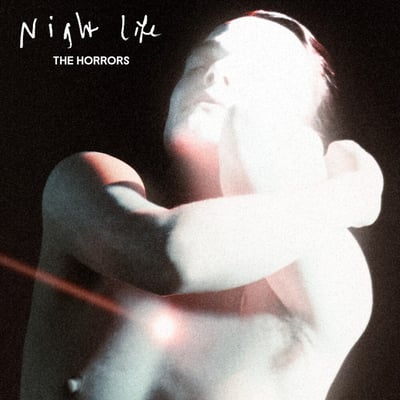
The Horrors Night Life
Released Mar 21, 2025 Fiction Records
Established consensus 8 professional reviews Updated Dec 10, 2025
Mostly positive consensus
The Horrors' Night Life lands as a nocturnal, reinvigorated statement that trades shoegaze haze for darker electronic muscle, and across professional reviews it mostly succeeds.
How ChoruScore worksCritics' Top Tracks
The songs critics returned to most
The Silence That Remains
8 critic mentions
“The Silence That Remains", which has a hint of Songs of Faith and Devotion to it” — Beats Per Minute
Lotus Eater
7 critic mentions
“The 7-minute track “Lotus Eater,” for its progressive soundscape-building and thumping beat” — Under The Radar
Trial By Fire
7 critic mentions
“Trial By Fire’ is an intense industrial rock rager that’s impressively forceful, but lacks the atmosphere” — New Musical Express (NME)
Full critic consensus
The Horrors' Night Life lands as a nocturnal, reinvigorated statement that trades shoegaze haze for darker electronic muscle, and across professional reviews it mostly succeeds. Critics point to a cinematic immersion and bass-driven production that foregrounds insomnia, gothic darkness and industrial techno textures, with a consensus that the band has entered a restless, more focused phase. The record earned a 71.88/100 consensus score across 8 professional reviews, signaling generally favorable notice even as some reviews flagged moments of transition and unfinished edges.
Reviewers consistently single out a handful of standout tracks as the record's emotional and stylistic center. “Lotus Eater” is repeatedly praised for its Berlin-tinged, kosmische sweep and electronic odyssey, while “The Silence That Remains” emerges as the album's propulsive, synth-laced apex. Critics also highlight “Trial By Fire” and “Silent Sister” for their industrial goth bravado and muscular post-punk aggression, with several reviews naming these among the best songs on Night Life. Across these pieces the band mixes melancholic dance influences, dystopian synths and cinematic atmospheres to powerful effect.
What critics debate is balance: many applaud the streamlined production and renewed intensity after a lineup shift, calling the collection a successful reboot and a potential high point since Skying, while some note that the album sometimes feels transitional rather than fully resolved. Taken together, the critical consensus suggests Night Life is worth listening to for fans of dark electro-rock and gothic revivalism, offering standout moments that make the record both compelling and occasionally uneven. Below, the full reviews unpack those tensions track by track.
Track Ratings
How critics rated each track, relative to this album (0-100). Only tracks that made critics feel something are rated.
Ariel
Silent Sister
The Silence That Remains
Trial By Fire
The Feeling Is Gone
Lotus Eater
More Than Life
When The Rhythm Breaks
LA Runaway
Get the next albums worth your time.
Critic-backed picks in one clean digest. No clutter.
What Critics Are Saying
Deep insights from 9 critics who reviewed this album
Fa
Critic's Take
The Horrors make Night Life feel like being held under water, a cinematic, at once suffocating and exhilarating record that rewards immersion. The best songs - “The Silence That Remains” and “Lotus Eater” - are where the band’s ambition pays off most clearly, each a towering, time-bending piece that lodges itself in the memory. Lively highlights such as “Silent Sister” and “When The Rhythm Breaks” puncture the gloom with off-kilter rhythm and unrelenting beauty, making them among the best tracks on Night Life. The closing cheer of “LA Runaway” provides a surprising homecoming after the album’s sonic apocalypse.
Key Points
-
The best song is notable for its unmatched atmosphere and cinematic build that the reviewer calls 'unlike anything else'.
-
The album’s core strengths are its immersive, time-bending soundscapes and contrast between chaos and control.
Themes

Critic's Take
The Horrors return with Night Life, a vantablack set that foregrounds moody basslines and processed drums and stakes its claim among their best work. The review revels in the crepuscular thrills of “The Silence That Remains” and the opener “Ariel”, calling the former a techno-rock pulse-pounder and the latter an off-kilter stunner - both presented as the album's standout tracks. While noting that “Trial By Fire” is forceful, the reviewer insists the album as a whole is an impressive, singular metamorphosis that feels like where the band belongs.
Key Points
-
The best song is "The Silence That Remains" because it embodies the album's crepuscular palette with a bass-led, kinetic techno-rock pulse.
-
The album's core strength is its committed metamorphosis into dark electro-rock, prioritizing mood, bass, and processed drums over guitars.
Themes
mu

Critic's Take
From the opening desolation of Night Life it is clear that The Horrors are mining their past while pushing outward, and the best songs - especially “The Feeling Is Gone” and “The Silence That Remains” - prove the point. Tilly Foulkes praises how “The Feeling Is Gone” uses electronica and rock so melodies stretch and crash, while “The Silence That Remains” stands as the album's emotional apex, a haunting study of grief. Lesser moments like “Trial By Fire” and “Silent Sister” lean into industrial techno, paying homage to Nine Inch Nails, but it is the ambient-collage tracks such as “Ariel” and “Lotus Eater” that most vividly capture the record's strange atmosphere.
Key Points
-
The Silence That Remains is the album's emotional apex because it hauntingly examines suspension, grief and loneliness.
-
Night Life's core strengths are its blending of ambient soundscapes with industrial and garage elements, producing tense atmosphere and experimentation.
Themes

Critic's Take
The Horrors sound at home in the dark on Night Life, and the best songs are where that gloom is sharpened into muscle - notably “Trial By Fire” and “Lotus Eater”. Joe Goggins writes with a measured relish for detail, noting how industrial heft and Nine Inch Nails echoes make “Trial By Fire” incendiary while “Lotus Eater” serves as the LP's electronic odyssey. He praises Faris Badwan's cool vocal command and the lyric-writing on songs that reckon with present violence, which is why these tracks stand out on the record. The result is The Horrors at their murkiest and most aggressive, a clear high point for the band.
Key Points
-
The best song, 'Trial By Fire', is the album's most aggressive moment, channeling Nine Inch Nails-style industrial power.
-
The album's strengths are its renewed murky atmosphere, industrial textures, strong vocal command, and sharper lyricism.
Themes

Critic's Take
The Horrors' Night Life finds the band reinvigorated, leaning into industrial goth and claustrophobic synths while still delivering their knack for dazzling openers. Chris Todd singles out “Silent Sister” as the gnarliest and best track here, while “Ariel” continues the tradition of brilliant openers and “Lotus Eater” shows euphoric kosmische ambition. The album reads as a successful reboot that balances desolation and pleasure, making Night Life their best since Skying. The reviewer's voice is measured but emphatic, celebrating the collaborations and harsh beauty across these best songs on Night Life.
Key Points
-
The best song, "Silent Sister", is the gnarliest and most successful industrial goth track and is called the best here and among their finest.
-
The album's core strengths are invigorated industrial goth textures, claustrophobic synths, and successful collaborations that revive the band's shoegaze and drowsy gothery.
Themes

Critic's Take
In his glazed, erudite voice John Wohlmacher finds the best songs on Night Life in the album's darker hymns and elegies - especially “Lotus Eater”, whose Berlin-tinged ambient techno moves feel like the record's emotional center, and “Silent Sister” and “Trial By Fire” for their sleazy, post-Millennial muscularity. He writes with theatrical urgency, likening the LP to a haunted Los Angeles and praising the production while noting the band feels transitional and unfinished. The review addresses best tracks on Night Life by celebrating the album's standout textures and the emotional lift of “Lotus Eater”, even as the whole drifts toward a new identity.
Key Points
-
The best song is "Lotus Eater" because it is called the album's standout and praised for its emotional, Berlin-tinged ambient techno.
-
The album's core strengths are lush production, rich compositional density, and successful fusion of electronic, post-punk and gothic textures.
Themes

Critic's Take
The Horrors’s Night Life is a louder, sharper pivot that trades shoegaze shimmer for insomnia-fueled energy, and the best tracks show it plainly. The clear standout is “The Silence That Remains”, which the reviewer calls the record’s most cohesive representation of the new sound - sinister synths and a propulsive bassline anchor it. Equally notable is the seven-minute “Lotus Eater”, a progressive soundscape that fixates on yesterdays and slipping time, and “Trial By Fire” works as an industrial, angsty centerpiece about decadence at the end of the world. The record’s strengths are in its grooves and Badwan’s more constant, awake vocals, which make the best songs feel urgent and alive.
Key Points
-
“The Silence That Remains” is the best song because it most cogently embodies the album’s new insomnia-driven synth-and-bass sound.
-
The album’s core strengths are its nocturnal themes, propulsive bass grooves, and Faris Badwan’s ever-present, awake vocal delivery.
Themes

Critic's Take
In this review Andrew Perry finds The Horrors on a clear rebound with Night Life, where dark-pop miracles and goth-rock bravado collide. He singles out “Trial By Fire” for its Bauhaus-y post-apocalyptic histrionics and “Lotus Eater” for its borderline Euro-house melancholia, calling both future Horrors classics. The tone is admiring but measured, crediting Yves Rothman for a streamlined six-week production that tames prior overcooked excess.
Key Points
-
The best song is "Trial By Fire" because the reviewer highlights its Bauhaus-inspired, post-apocalyptic histrionics as a standout moment.
-
The album's core strengths are focused production, a return to goth-rock, and successful dark-pop moments like "Lotus Eater".