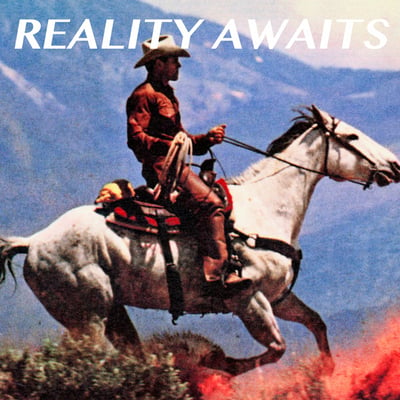
The Strokes Reality Awaits
The Strokes's Reality Awaits arrives as a bracing, often playful chapter in the band's catalog that marries nostalgia with provocation, earning a 78.83/100 consensus score across 6 professional reviews. Critics agree the record stages a productive tension between familiar Strokes swagger and bold production experiments
The best song(s) like “Psycho Shit” and “Dine N'Dash” stand out because they embrace structural risk and unpredictable dynamics.
“Dine N'Dash” is best because it was the live debut and explicitly labeled the stand-out in the review.
Best for listeners looking for experimentation and AutoTune controversy, starting with Going Shopping and Lonely in the Future.
Explore the full Chorus artist page, discography, and related genre paths.
See where this record sits inside the full critic-ranked discography.
See how Reality Awaits stacks up against Room on Fire on Chorus's 0-100 critic-consensus scale, including review depth and standout tracks.
Jump from this record into the broader critic-consensus lists for 2026.
Full consensus notes
The Strokes's Reality Awaits arrives as a bracing, often playful chapter in the band's catalog that marries nostalgia with provocation, earning a 78.83/100 consensus score across 6 professional reviews. Critics agree the record stages a productive tension between familiar Strokes swagger and bold production experiments - notably AutoTune and Caribbean-tinged rhythms - so the quick verdict on whether Reality Awaits is good leans positive, if occasionally divided on execution.
Reviewers consistently praise specific highlights as the best songs on Reality Awaits. “Going Shopping” emerges across multiple reviews as an infectious, yacht-rock-turned-pop-rock single that doubles as sharp social commentary, while “Going to Babble On” is widely celebrated for its winsome melody and spiraling solo work. Other frequently noted standouts include “Lonely in the Future”, “Dine N'Dash” and “Liar's Remorse”; critics point to these tracks as where playful pop melodicism, political bite and textural experimentation cohere.
Across the reviews, common themes surface: a Voidz influence grafted onto classic hooks, vocal processing that some hail as daring and others call distracting, and lyrical threads of isolation, consumerist numbness and aging reflection. Some critics praise Rick Rubin's crisp production and the band's return to tuneful immediacy, while others flag pacing missteps or the AutoTune controversy as moments that undercut momentum. Taken together, the critical consensus suggests Reality Awaits is worth attention for fans and curious newcomers alike, offering enough standout tracks and adventurous moments to justify a deeper listen.
Critics' Top Tracks
The standout songs that made critics take notice
Going Shopping
6 mentions
"the summery, absurdist “Going Shopping” — were warmly received except for the strong choices when it came to the vocals."— Consequence
Lonely in the Future
5 mentions
"the bitter, Anthony Fantano-dissing lyrics of “Lonely in the Future,” a song ostensibly about how Casablancas is sick and cool"— Consequence
Going to Babble On
4 mentions
"Going to Babble On” feels like a post-modern take on “classic” Strokes"— Paste Magazine
the summery, absurdist “Going Shopping” — were warmly received except for the strong choices when it came to the vocals.
Track Ratings
How critics rated each track, relative to this album (0-100). Only tracks that made critics feel something are rated.
Psycho Shit
Dine N'Dash
Lonely in the Future
Falling out of Love
Going to Babble On
Going Shopping
Liar's Remorse
The Fruits of Conquest
Tyrants of the Mellow Moon
Get the next albums worth your time.
Critic-backed picks in one clean digest. No clutter.
What Critics Are Saying
Deep insights from 10 critics who reviewed this album

Critic's Take
In a voice equal parts bemused and admiring, The Strokes push boundaries on Reality Awaits, and the best songs - notably “Psycho Shit” and “Dine N'Dash” - make the case for that adventurous streak. The opener “Psycho Shit” lures you in with ominous arpeggio and a five-minute crescendo, while “Dine N'Dash” is an absolutely batshit, unpredictable highlight that showcases the record's warped immediacy. Even the more accessible moments like “Lonely in the Future” retain strange detours, so the best tracks are those willing to surprise and destabilize as they groove.
Key Points
-
The best song(s) like “Psycho Shit” and “Dine N'Dash” stand out because they embrace structural risk and unpredictable dynamics.
-
The album’s core strengths are adventurous production, strong guitar interplay, and willingness to prioritize experimentation over nostalgia.
Themes

Critic's Take
The Strokes sound both familiar and mischievous on Reality Awaits, and the best songs here make that tension sing. Ryan Reed leans into the strange pleasures of “Going Shopping” and “Going to Babble On”, praising the bizarre vocal timbres and harmonized solos that reward repeat listens. He flags opener “Psycho Shit” and “Lonely in the Future” for their disorienting warbles and climactic falsetto moments, arguing that these are among the best tracks on Reality Awaits because they turn vocal processing into an asset. The review reads as a defense of the band’s choices more than a nostalgia bid, recommending listeners wrestle with the album to find its rewards.
Key Points
-
“Going Shopping” is best for its daring vocal processing and art-punk energy.
-
The album’s core strengths are textural experimentation and fearless use of vocal effects to create tension.
Themes

Critic's Take
The Strokes sound peculiarly rejuvenated on Reality Awaits, where the Voidz's strange impulses are grafted onto the band’s pop instincts. The best songs on Reality Awaits - notably “Going to Babble On” and “Going Shopping” - showcase Casablancas’s funniest and most interesting performances in years. “Going to Babble On” lands as one of the most winsome, heartfelt Strokes songs since their debut, while “Going Shopping” rides a simple yacht-rock groove that lets the band stretch. Even when tracks falter, the album’s playful tunefulness makes these standouts feel like genuine victories for the group.
Key Points
-
The best song, "Going to Babble On", is praised for being winsome and heartfelt, evoking early Strokes immediacy.
-
The album’s core strengths are its playful fusion of Voidz experimentation with tuneful Strokes pop and improved production.
Themes

Critic's Take
In a typically wry and observant voice Rhian Daly notes that The Strokes sound reinvigorated on Reality Awaits, with best tracks like “Liar's Remorse” and “Going To Babble On” showcasing the band’s appetite for playful experimentation and political bite. Daly’s sentences bounce between historical context and close reading, so when she praises the brass-like pedals on “Liar's Remorse” and calls “Going To Babble On” the album’s most immediate cut, it reads as genuine enthusiasm. The review frames these songs as proof that evolution can pay off, balancing theatrical vocal choices with sharper songwriting. Overall, the narrative answers the question of the best songs on Reality Awaits by pointing to those standout moments that feel both new and unmistakably Strokes.
Key Points
-
“Liar's Remorse” stands out for inventive production and brass-like guitar manipulation.
-
The album’s core strengths are playful production experiments and a blend of personal and political lyrics.
Themes
Ho
Critic's Take
The Strokes sound like a band who know their strengths on Reality Awaits, and Paul Nolan singles out the propulsive new-wave of “Dine N'Dash” and the climactic shredding of “Going to Babble On”. He notes how the album traffics in dub and calypso grooves on songs such as “Lonely in the Future” and “Going Shopping”, which sit neatly with the group’s infectious melodies. Nolan writes with that knowing, slightly sardonic edge, praising Rick Rubin’s crisp production even as he flags Casablancas’s heavy Autotune. The result reads as a pragmatic endorsement of the best tracks on Reality Awaits, songs that marry classic Strokes swagger with fresh rhythmic detours.
Key Points
-
The best song, “Dine N'Dash”, shines for its thrilling new-wave guitar and Cure-like textures.
-
The album’s core strength is marrying classic Strokes melodic swagger with dub and calypso rhythmic experiments under crisp production.
Themes

Critic's Take
On Reality Awaits The Strokes lean into contradiction, and the best songs - notably “Going Shopping” and “Lonely in the Future” - crystallise that uneasy mix of satire and sincerity. Sahar Ghadirian praises “Going Shopping” as an infectious pop-rock anthem that turns consumer comfort into a critique, while “Lonely in the Future” is singled out for a powerhouse intro and striking autotune moments. The review frames these tracks as the record's clearest successes, even as autotune proves divisive elsewhere, and together they answer listeners asking what the best songs on Reality Awaits actually deliver: catchy hooks with a thematic bite.
Key Points
-
The best song is “Going Shopping” for turning consumer critique into an infectious pop-rock hook.
-
The album's core strengths are thematic ambition and stylistic risk-taking, especially its use of autotune and rhythmic textures.
Themes

Critic's Take
The Strokes' latest, Reality Awaits, feels like a band in exploratory mood, sometimes exhilarating, sometimes awkwardly paced. Jamie Wilde notes that tracks such as “Dine N'Dash” and “The Fruits of Conquest” land most effectively, with the former reviving classic staccato riffs and the latter offering neat melodies and political bite. The reviewer's tone is measured but warm, awarding credit for risk-taking while flagging missteps like the sluggish opener “Psycho Shit” that might have been better placed later. For readers asking what the best songs on Reality Awaits are, Wilde points to “Dine N'Dash” and “The Fruits of Conquest” as clear highlights amid a mixed but interesting set.
Key Points
-
Dine N'Dash is the best song because it revives The Strokes' signature staccato riffs with energy.
-
The album's core strengths are risk-taking experimentation and moments of sharp melody and political commentary.
Themes
Fa
Critic's Take
In his typically conversational and slightly cheeky tone, The Strokes are defended on Reality Awaits as still carrying “flashes of virtually everything they’ve done before,” while bravely trying new ideas. Joe Taysom singles out “Dine N'Dash” as the stand-out, noting its live debut and the way it embodies the record's strengths. He also flags “Lonely in the Future” for its confrontational lyricism aimed at a critic, which adds a provocative edge. The reviewer balances affection for continuity with approval for fresh experiments and highlights “Going Shopping” as a strong single that complements the standout moments.
Key Points
-
“Dine N'Dash” is best because it was the live debut and explicitly labeled the stand-out in the review.
-
The album's core strengths are its mix of familiar Strokes elements and willingness to experiment, plus provocative lyrics.
Themes
St
Critic's Take
The Strokes' latest, Reality Awaits, contains its best songs in tracks that lean into classic Strokes strengths while embracing synth textures. The reviewer's clear favorites are “Lonely in the Future” and “Going Shopping”, praised for infectious riffs and ridiculously catchy choruses that feel like genuine Strokes moments. He also elevates the closer “Tyrants of the Mellow Moon” as a moving, graceful farewell that restores the album's balance. Overall the critic frames the album as thematically cohesive, asking listeners to look past the Auto-Tune controversy to find the best tracks on Reality Awaits.
Key Points
-
The best song is “Lonely in the Future” for its infectious riff and strong vocal melody.
-
The album's core strengths are thematic cohesion and moments that recall classic Strokes songwriting beneath synthetic production.
Themes

Critic's Take
On Reality Awaits The Strokes deliver a mix of vivid highs and baffling detours, and the best songs - notably “Going Shopping” and “Going to Babble On” - capture the band at its nimblest. Jon’s voice relishes the twitchy interplay on “Going Shopping” while celebrating the spiraling Eighties solo that makes “Going to Babble On” one of the best tracks on Reality Awaits. At times Julian’s indulgences muddle things, but when the groove lands, these songs prove the band still trades in top-shelf Strokes-core.
Key Points
-
The best song, "Going Shopping," is driven by precise drumming and lively guitar interplay that lands Strokes-core lines effectively.
-
The album’s strengths are nimble guitar work and catchy neo-New Wave hooks, offset by indulgent vocals and heavy processing.