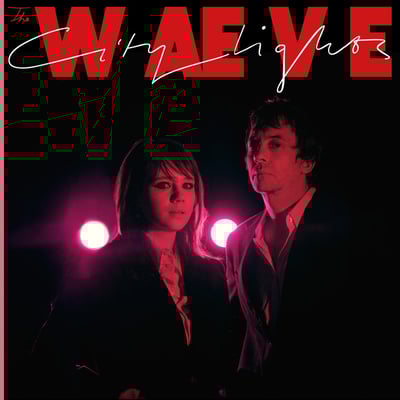
The Waeve City Lights
Released Sep 20, 2024 Transgressive
Consensus forming 4 professional reviews Updated Jan 1, 2026
Broadly positive consensus
Consensus is still forming across 4 professional reviews. The Waeve's City Lights opens with a burst of theatrical flair and intimate songwriting that together define the record's restless ambition.
How ChoruScore worksCritics' Top Tracks
The songs critics returned to most
City Lights
4 critic mentions
“the opening title track, its classic songwriting accommodating a wiry (or should it be Wire-y) guitar line” — DIY Magazine
Sunrise
4 critic mentions
“the pure loungeroom-psych of album closer Sunrise, a song that spirals to a dizzying string-laden crescendo” — Louder Than War
Girl Of The Endless Night
3 critic mentions
“the jaunty folk of Girl Of The Endless Night, one of the few songs that hark back to Coxon’s Spinning Top” — Louder Than War
Full critic consensus
The Waeve's City Lights opens with a burst of theatrical flair and intimate songwriting that together define the record's restless ambition. Critics agree the title track anchors the album's collision of glam swagger and dream-pop tenderness, while songs like “Girl Of The Endless Night”, “Sunrise”, “Moth To The Flame” and “You Saw” repeatedly surface as the best songs on the record for their memorable hooks and emotional reach. Across four professional reviews, the collection earned an 82/100 consensus score, a clear signal from music critics that City Lights is both accomplished and compelling.
Professional reviews emphasize recurring strengths: vocal interplay and harmonies that trade between rough-edged urgency and delicate warmth, genre-blending that slips from post-punk bite to folk-tinged psychedelia, and maximalist production touches such as saxophone flourishes and swooping strings. Critics consistently praise the duo's creative renewal and knack for melding nostalgia with fresh, unpredictable turns - the opener evokes Bowie and Roxy Music yet remains unmistakably contemporary. Reviewers note standout production and instrumental moments, from Coxon's jagged riffs to the album's filmic crescendos, which help songs like “Sunrise” and “Moth To The Flame” emerge as highlight tracks.
While sentiment skews positive, some reviews register a deliberate excess - big gestures and occasional theatricality that may divide listeners seeking leaner immediacy. Still, the critical consensus across these four reviews frames City Lights as a richly textured, often thrilling record that balances despair and hope, and rewards repeat listens. For readers wondering what critics say about City Lights and whether it is worth listening to, the score and recurring praise for its best tracks make a persuasive case to explore the album further.
Track Ratings
How critics rated each track, relative to this album (0-100). Only tracks that made critics feel something are rated.
City Lights
You Saw
Moth To The Flame
I Belong To...
Simple Days
Broken Boys
Song For Eliza May
Druantia
Girl Of The Endless Night
Sunrise
Get the next albums worth your time.
Critic-backed picks in one clean digest. No clutter.
What Critics Are Saying
Deep insights from 5 critics who reviewed this album

Critic's Take
The Waeve’s City Lights feels like a deliberate swerve into sumptuous, slightly unhinged territory, where the title track and “Girl of the Endless Night” emerge as the best songs on the record. The reviewer’s ear lingers on the opener - a futuro Roxy Music pastiche with Blur-adjacent melodies - and on “Girl of the Endless Night” for its kaleidoscopic, acid-folk lyricism. Elsewhere “Broken Boys” and “Sunrise” are singled out for sardonic heat and filmic crescendo, cementing why listeners ask about the best tracks on City Lights.
Key Points
-
The best song is "Girl Of The Endless Night" for its kaleidoscopic lyricism and emotional potency.
-
The album’s core strengths are its genre-blending production and the duo’s complementary vocals, balancing grit and softness.
Themes
mu

Critic's Take
The Waeve’s City Lights finds its best tracks in the tension between big gestures and snug pop craft, namely “Sunrise” and “Moth To The Flame”. Bella Martin writes with a fondly indulgent eye, praising the swooping strings on “Sunrise” and the early ’80s industrial sheen of “Moth To The Flame”. The album’s dual vocals and the tender abrasion of “Song For Eliza May” help explain why these are the best songs on City Lights, songs that balance melody with glorious disorder. Overall the record is celebratory escapism, a fever-dream of sound where standout moments reward repeat listens.
Key Points
-
The best song, notably the dreamlike closer “Sunrise”, stands out for its swooping strings and cinematic closure.
-
The album’s core strength is its interplay between maximalist production and concise pop songwriting, creating vivid sonic escapism.
Themes

Critic's Take
The Waeve’s City Lights feels like a thrilling continuation of the duo’s genre-melding work, with the title track and “Girl of The Endless Night” standing out. The reviewer's prose relishes Coxon’s impressive riffs and sax flourishes on “City Lights”, and praises Dougall’s spellbinding singing on “Simple Days” and the transcendent warmth of “Girl of The Endless Night”. It reads as an album that moves effortlessly between post-punk bite, folk tenderness and punk angst, making those best tracks the clearest highlights. The tone stays celebratory and exacting, recommending City Lights as a must-listen for its depth and unpredictable charms.
Key Points
-
The title track is best for its emphatic riffs, sax flourishes and showcasing of Coxon’s multi-instrumental strengths.
-
The album’s core strengths are eclectic genre-blending, strong harmonies, prominent saxophone and the duo’s vocal chemistry.
Themes

Critic's Take
The Waeve return with City Lights, an album propelled by standout moments such as “City Lights” and “You Saw” that marry glam swagger with dream-pop tenderness. Nathan Whittle writes with gleeful conviction that the opening title track might be "one of the best songs he’s ever recorded", its Bowie and Bryan Ferry echoes giving it irresistible verve. He highlights the duo's vocal interplay throughout, praising “You Saw” for its pulsating energy and “Simple Days” for being the album's most beautiful, delicate moment. Taken together, these best tracks demonstrate why City Lights ranks among the year's most inventive, genre-leaping records.
Key Points
-
The opening title track is best for its Bowie/Ferry swagger and an unforgettable sax-tinged performance.
-
The album's core strengths are vocal interplay, genre-blending arrangements, and evocative melodies that shift between glam, psych, folk and new-wave.