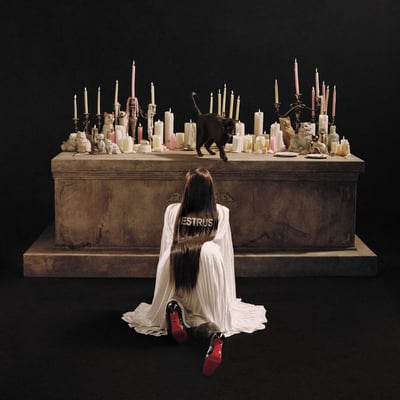
Tove Lo ESTRUS
Released Sep 18, 2026 Tove Lo
Established consensus 5 professional reviews Updated Oct 23, 2026
Broadly positive consensus
Tove Lo's ESTRUS turns the friction between club-floor abandon and private doubt into sharp, sometimes thrilling synth-pop.
How ChoruScore worksCritics' Top Tracks
The songs critics returned to most
are we on a break
2 critic mentions
“Nowhere is this more visceral than on “are we on a break,” a rock-solid pop song up there with Tove Lo’s best.” — Pitchfork
I’m your girl right?
3 critic mentions
“One of the most magnetic examples is lead single “I’m your girl, right?,” a prowling, house-indebted stomper” — Pitchfork
source of life
2 critic mentions
“On the introspective album closer "source of life," Tove Lo sublimely channels the spirit of The Cardigans” — Pitchfork
Full critic consensus
Tove Lo's ESTRUS turns the friction between club-floor abandon and private doubt into sharp, sometimes thrilling synth-pop. Its 76/100 consensus score across five professional reviews points to a good, if uneven, record: critics praise the flashes where pulsing production meets vulnerability, while noting that some familiar moments and propulsive arrangements can blunt the emotional impact.
Critics consistently return to “I’m your girl right?” as a standout, its prowling house beat carrying both sensuality and uncertainty. “are we on a break” earns similar praise for escalating relationship doubt into a rush that feels as close to panic as release. The best songs also reveal different sides of the album: “source of life” brings a quieter reckoning with time and consequence, while “Die for My Art with a Lonely Heart” turns vulnerability into anthemic release. Together, these tracks make the record’s central tension vivid: nightlife and hedonism coexist with heartbreak, self-examination, and the weight of adulthood.
Reviewers hear a performer at a crossroads, still embracing sexuality and femininity without disguising the uncertainty underneath. The album’s domestic details add unexpected gravity to its 3 a.m. energy, and its dance-floor catharsis can make doubt feel exhilarating. Yet that balance does not land everywhere: some moments feel too familiar, and slick beats occasionally flatten the feeling they are meant to amplify. The critical consensus is therefore one of rewarding highlights rather than unbroken triumph. For listeners weighing whether ESTRUS is worth hearing, its most conflicted, candid songs make a persuasive case; the reviews below explore where the record’s contradictions catch fire and where they fall short.
Track Ratings
How critics rated each track, relative to this album (0-100). Only tracks that made critics feel something are rated.
a lot of feelings, no solutions
I’m your girl right?
if I could I would
des fleurs
DNH
F.A.M.T
I’m the cake
the bad one
die for my art with a lonely heart
are we on a break
idiot
roomie
source of life
ESTRUS
Get the next albums worth your time.
Critic-backed picks in one clean digest. No clutter.
What Critics Are Saying
Deep insights from 5 critics who reviewed this album

Critic's Take
The record feels like a reckoning, and Tove Lo names that moment on ESTRUS with both club clarity and private ache. The reviewer's best songs are plainly the quieter, consequential pieces - “the bad one” and “source of life” - which reframe the preceding nights out as something bound by a clock. Yet the album keeps the party alive: “I’m your girl right?” and “F.A.M.T” supply kinetic, immediate hits while tracks like “roomie” give it surprising domestic gravity. In the voice of the review, ESTRUS is grown-up and still sounds like 3am, the best tracks balancing fearless pop with visible doubt.
Key Points
-
“source of life” is the best song because it reframes the album’s themes of fertility, motherhood and mortality into a conclusive centerpiece.
-
The album’s core strengths are fearless, messy pop songwriting and a blend of nightlife bravado with quiet domestic intimacy.
Themes
mu

Critic's Take
Tove Lo is focusing on herself on ESTRUS, though the questions of “are we on a break” are just as easily aimed at herself as at heartbreak’s unnamed cause. “Roomie” pairs driving house with stories of going down, while “F.A.M.T” showcases something altogether more pained. The best tracks on ESTRUS paint a record filled with contradiction, the sound of a cult popstar at a crossroads, still unafraid to embrace femininity and sexuality with a liberating tits-out attitude.
Key Points
-
“are we on a break” stands out as an insatiable highlight, turning heartbreak into searching questions.
-
The album’s core strength is its balance of sexy, party-minded excess with contemplative realities of adulthood.
Themes

Critic's Take
Tove Lo's ESTRUS often finds its richest moments when bodily abandon collides with an anxious interior, and the reviewer's ear keeps returning to songs that dramatize that friction. The best tracks on ESTRUS, in this account, are “I’m your girl right?” and “are we on a break”, where pulsing synths meet naked doubt and the result is thrilling rather than merely horny. Aimee Cliff writes with precise relish about how “I’m your girl right?” prowls like a house stomper, and how “are we on a break” escalates into something like an orgasm or a panic attack, both capturing the album's central tug. The review frames the record as intermittent flashes of synth-pop brilliance amid some too-familiar Tove-Lo-by-numbers moments, but it is those vivid, conflicted songs that stand out as the album's best tracks.
Key Points
-
The best song is "are we on a break" because it marries ecstatic synth-pop with escalating anxious imagination.
-
The album's core strengths are vivid synth-pop production and candid depictions of vulnerability colliding with hedonism.
Themes

Critic's Take
Tove Lo leans into club-ready catharsis on ESTRUS, and the best songs on ESTRUS - notably “I’m Your Girl Right?” and “Die for My Art with a Lonely Heart” - show how her vulnerability becomes anthemic. At moments the propulsive production flattens emotion, but mostly the album's slick beats and thundering choruses make these tracks distinct highlights. The narrative contends that the dance floor may be where Lo both loses and finds herself, and these standout songs best demonstrate that tension.
Key Points
-
The best song is “I’m Your Girl Right?” because its cavernous vocal reverb turns insecurity into anthemic drama.
-
The album's core strength is marrying metallic, rubbery production to frank, self-critical lyricism for dance-floor catharsis.