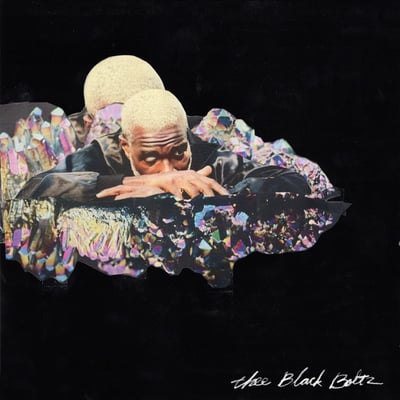
Tunde Adebimpe Thee Black Boltz
Released Apr 18, 2025 Sub Pop Records
Established consensus 11 professional reviews Updated Feb 21, 2026
Broadly positive consensus
Tunde Adebimpe's Thee Black Boltz reconceives grief and reinvention as kinetic, often danceable songs that put his voice front and center.
How ChoruScore worksCritics' Top Tracks
The songs critics returned to most
Magnetic
11 critic mentions
“Magnetic’ has the energy that the best TV on The Radio tracks bring, but with more of an electronic tinge, it is irrepressible and hard to resist” — Clash Music
ILY
11 critic mentions
“the lone acoustic ballad on Thee Black Boltz, a moment dedicated as a eulogy for his sister” — Paste Magazine
Drop
10 critic mentions
“Drop has more of a funk and hip hop influence, a departure from some of the other tracks but it works cohesively” — Clash Music
Full critic consensus
Tunde Adebimpe's Thee Black Boltz reconceives grief and reinvention as kinetic, often danceable songs that put his voice front and center. Across professional reviews, critics point to the record's tension between electro-dance propulsion and indie-rock restraint, with recurring praise for how moments of mourning become urgent pop without ever losing intimacy.
The critical consensus, reflected in a 74.82/100 average across 11 professional reviews, celebrates standout tracks that consistently surface in best-of lists. “Magnetic” is cited by virtually every critic as the album's irrepressible single - a rattling, falsetto-laced centerpiece - while “ILY” and “Drop” earn repeated praise for their pared-back tenderness and emotional payoff. Reviewers note genre hybridity and nostalgic synth influences alongside singer-centered production: some songs lean into jagged synth-punk or twitchy beats, others toward fragile balladry, but the strongest cuts marry pop instincts with vivid songwriting.
Perspectives diverge on experimentation and consistency. Many critics applaud Adebimpe's daring - the title track “Thee Black Boltz” and oddball cuts like “Pinstack” or “Ate The Moon” show creative reach - while a few reviews question moments where production choices feel derivative or overlong. Still, reviewers consistently return to flashes of brilliance where grief, hope, and resilience coalesce into memorable hooks and vocal showpieces.
For readers searching for a clear verdict on Thee Black Boltz, the consensus suggests an intriguing, occasionally uneven solo statement that deserves attention for its best songs and the singer's revitalized solo identity.
Track Ratings
How critics rated each track, relative to this album (0-100). Only tracks that made critics feel something are rated.
Thee Black Boltz
Magnetic
Ate The Moon
Pinstack
Drop
ILY
The Most
God Knows
Blue
Somebody New
Streetlight Nuevo
Get the next albums worth your time.
Critic-backed picks in one clean digest. No clutter.
What Critics Are Saying
Deep insights from 13 critics who reviewed this album

Critic's Take
Tunde Adebimpe's Thee Black Boltz is quietly deliberate, and the review rightly flags the record's best tracks: “ILY”, “Magnetic”, and “The Most”. Reed writes in a measured, observant tone, praising how the pared-back intimacy of “ILY” lands hardest while the pulsating, falsetto-laced “Magnetic” and the centerpiece “The Most” supply bursts of euphoric release. The narrative leans into modesty as a virtue - these are songs that trade kaleidoscopic color for naked emotion and occasional wild cards like “Pinstack” that surprise. Overall, the best songs on Thee Black Boltz are those that reveal Adebimpe's grief and resilience through sparse arrangements and vivid hooks.
Key Points
-
“ILY” is best because its sparse arrangement and direct tribute deliver the album's most affecting emotional impact.
-
The album's core strengths are its modesty, vivid vulnerability, and moments of euphoric catharsis despite restrained production.
Themes
mu

Critic's Take
From the first hiss of the title track to the punch of “Magnetic”, Tunde Adebimpe’s Thee Black Boltz stakes its claim as a solo statement that still feels like a rite of passage. The record’s best tracks - notably “Magnetic” and the funeral-plain “ILY” - reveal Adebimpe’s knack for marrying jagged urgency with naked sorrow, making them the standout songs on Thee Black Boltz. Elsewhere, cinematic cuts like “Blue” and the mid-album pivot “Drop” keep the momentum taut, reminding listeners why these are the best songs and best tracks on this arresting debut. The result is restless, ambitious, and often devastating in ways that only deepen its rewards.
Key Points
-
The best song, "Magnetic", is the album’s distilled, feverish centerpiece that fuses rock, electronic, and post-punk into a danceable panic.
-
The album’s core strengths are emotional candor and adventurous genre-blending, balancing grief and urgency with cinematic production.
Themes
Th
Critic's Take
She hears grief braided into snaggle-toothed synth-punk and bouncy synth-pop, yet singles out “Magnetic” as "one of the best things he’s ever done" while “ILY” strips back to a tender finger-picked ballad. The record's crisp songwriting and genre-hopping make finding the best songs on Thee Black Boltz a clear pleasure, because the moments of warmth and wistful anger land hardest.
Key Points
-
The best song is “Magnetic” because the reviewer calls it "one of the best things he’s ever done" and it exemplifies his pop instincts.
-
The album's core strengths are its ability to braid grief into upbeat, genre-hopping pop and the warm, magnetic vocal presence.
Themes


Critic's Take
Tunde Adebimpe's Thee Black Boltz finds its best tracks in the vividly memorable singles - “Magnetic” and “Ate The Moon” - where his voice dominates and the songwriting sticks. The reviewer's tone is admiring and precise, noting that “Magnetic” is irrepressible despite being brief, while “Ate The Moon” brings a heavier, mesmerising storytelling. There is equal praise for quieter moments like “ILY” that show range and heart, making these the best songs on Thee Black Boltz because they spotlight his vocals and adventurous arrangements. Overall the album is praised as a fascinating, coherent side project that balances experimentation with pop momentum.
Key Points
-
“Magnetic” is best for its irresistible energy and memorable middle section that foregrounds his vocals.
-
The album’s core strengths are Adebimpe’s vocal focus, genre experimentation, and cohesive blending of indie, electronic, and folk elements.
Themes

Critic's Take
Tunde Adebimpe's Thee Black Boltz finds its best tracks in boldly produced singles - the excellent “Magnetic” and the closing “Streetlight Nuevo”. Shawn Donohue writes with a fan's ear, praising how “Magnetic” propels itself into exciting indie-rock territory while “Streetlight Nuevo” channels throwback twitchy beats. He contrasts overlong experimentation on “Ate The Moon” with the sparer beauty of “Drop”, and argues that the record succeeds where anxious electro-dance meets vibrating rock. The result is a successful solo debut that highlights the album's best tracks without losing a sense of risk and texture.
Key Points
-
“Magnetic” is the best song because it is called "excellent," a "banging stand-out single," and propels into exciting indie-rock territory.
-
The album's core strengths are its fusion of fidgety indie rock and uneasy electro-dance textures, strong production, and moments of nostalgic synth-pop.
Themes

Critic's Take
Tunde Adebimpe arrives solo with Thee Black Boltz, a record that finds its strongest moments in songs like “Magnetic” and “ILY” where visceral vocals and stripped-back nuance collide. Sandiford’s writing emphasises how the album balances electronically oscillating currents with intimate, acoustic relief, so the best tracks on Thee Black Boltz are those that trade density for clarity. The title piece “Thee Black Boltz” anchors the work as a spoken-word core transmission, while “Drop” and “The Most” provide rhythmic and dub-tinged counterpoints. This is a solo statement that reads as both a dispatch from the eye of a storm and a glimpse of hopeful rebirth, making the best songs on the album distinct in purpose and texture.
Key Points
-
“Magnetic” is best for its visceral vocals and crackling tech pulse that foregrounds Adebimpe’s voice.
-
The album’s core strengths are its contrast between dense electronic currents and moments of stripped-back nuance offering emotional clarity.
Themes

Critic's Take
In a voice that feels direct and knowing, Tunde Adebimpe’s Thee Black Boltz finds its best tracks in moments of pure illumination - notably “ILY” and “Drop” - where grief turns into a stubborn kind of hope. Attila Peter’s review frames the album around light imagery, and it is the intimate, falsetto-laced tenderness on “ILY” and the galvanising lines on “Drop” that emerge as the best songs on Thee Black Boltz. The critic balances admiration with clear-eyed notes about missteps, but keeps returning to flashes of brilliance that make these best tracks worth seeking out. Overall the reviewer’s tone is measured, empathetic and appreciative, recommending listeners use headphones to catch the album’s rewards.
Key Points
-
The best song is "ILY" because its falsetto and affectionate tribute crystallise the album’s healing light motif.
-
The album’s core strengths are evocative light imagery, textured production, and Adebimpe’s resilient, recognisable voice.
Themes

Critic's Take
Tunde Adebimpe sharpens his voice on Thee Black Boltz, and the best tracks reveal that focus. The title track “Thee Black Boltz” frames his knack for finding a flower in a dung heap, while “Magnetic” supplies a rattling bass and ceiling-scraping performance that feels like a centerpiece. “Somebody New” flirts with thudding electronic swagger and the possibility of hits, and quieter moments like “ILY” let his prettiest singing breathe. Soto’s take is that the album’s pleasures come from Adebimpe as a singer-first solo artist, sequenced and produced to spotlight those strengths.
Key Points
-
The title track best encapsulates the album’s blend of bleak lyricism and showmanship, making it the standout.
-
The album’s core strengths are Adebimpe’s singer-first focus and Zoby’s clear, dance-friendly production that frames his vocals.
Themes

Critic's Take
Tunde Adebimpe's Thee Black Boltz foregrounds voice and quiet revelation, and the best songs on the album are those that turn grief into small surges of light - especially “Drop” and the gritty “Magnetic”. Scotty Dransfield points to “Drop” as the album's high point, a sparse ballad that builds into a quietly radiant climax, which makes it the standout when asking about the best tracks on Thee Black Boltz. Lesser moments like “Pinstack” and “ILY” read as filler, yet even they display strong bones, so the best songs feel inevitable rather than accidental. The record lives between familiar TV on the Radio echoes and personal confession, which is why listeners searching for the best songs on Thee Black Boltz will keep returning to “Drop” and “Magnetic”.
Key Points
-
“Drop” is the best song because it channels grief into a gradual, radiant climax that captures transcendence.
Themes

Critic's Take
In his measured, observant tone Patrick Gill treats Tunde Adebimpe’s Thee Black Boltz as a solo artist still finding footing, highlighting best songs like “Magnetic” and “God Knows” for their concentrated energy and craft. Gill praises the frenzied urgency of “Magnetic” and calls out the magnificent restraint on “God Knows”, while noting that tracks such as “Pinstack” and “The Most” comfortably evoke TV on the Radio. The narrative balances admiration for Adebimpe’s rare talent with the sense that this record flirts with familiar styles as he defines his solo voice.
Key Points
-
The best song, "God Knows", is praised for its restraint, instrumentation, and emotional weight.
Themes
Fa
Critic's Take
In his characteristically observant and slightly sardonic tone, Tunde Adebimpe on Thee Black Boltz delivers highs like “Magnetic” and “Pinstack” that reaffirm his knack for elastic vocals and gnarly hooks, while other excursions feel like attempts to catch up with modern trends. Reuben Cross relishes the verve and playful creativity on tracks such as “Magnetic” and “Blue”, yet notes that some production choices and mimicry of contemporary styles weaken otherwise bold ideas. The result is an album that often thrills, occasionally falters, and ultimately reminds listeners why Adebimpe remains a compelling presence from that mid-2000s indie era.
Key Points
-
The best song, “Magnetic”, is best for its urgent electro-punk energy and elastic vocals.
-
The album's core strengths are Adebimpe’s playful creativity, vocal versatility, and moments where production bolsters songwriting rather than masking it.