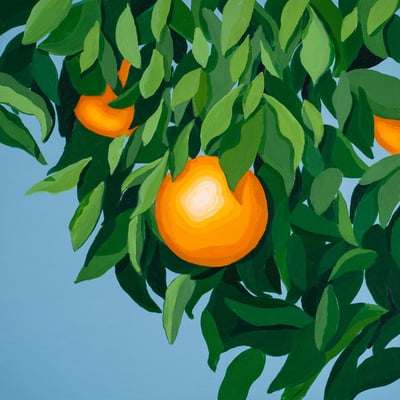
Tyler Ballgame For The First Time, Again
Released Jan 30, 2026 Rough Trade
Established consensus 8 professional reviews Updated Feb 15, 2026
Mostly positive consensus
Tyler Ballgame's For The First Time, Again unfolds as a sunlit act of personal rebirth, balancing vintage croon-pop and theater-flavored melodrama with palpable emotional sincerity.
How ChoruScore worksCritics' Top Tracks
The songs critics returned to most
I Believe In Love
7 critic mentions
“the grand design of the funky I Believe In Love came as the result of a throwdown” — Mojo
Goodbye My Love
3 critic mentions
“it’s hard not to find yourself seduced by Ballgame’s voice when it hits a cathartic wordless climax on Goodbye My Love” — The Guardian
Deepest Blue
4 critic mentions
“Another, “Deepest Blue,” which Ballgame has confessed is his version of an Adele song, drips with nostalgic longing” — No Ripcord
Full critic consensus
Tyler Ballgame's For The First Time, Again unfolds as a sunlit act of personal rebirth, balancing vintage croon-pop and theater-flavored melodrama with palpable emotional sincerity. Across professional reviews, critics single out the album's warm analogue production and Ballgame's octave-vaulting voice as its central attractions, and the consensus suggests more hits than excess in this homage-heavy debut.
Critics consistently point to standout tracks when asked "best songs on For The First Time, Again." “I Believe In Love” and “Goodbye My Love” recur as highlights for their jaunty hooks and tearful crescendos, while “Deepest Blue”, “Got a New Car” and “You’re Not My Baby Tonight” are often praised for restraint or emotional payoff. Across eight professional reviews the record earned a 71.38/100 consensus score, with commentators applauding Jonathan Rado's analogue sheen, the 1960s-70s retro influence, and Ballgame's confessional songwriting even as some reviews question whether theatrical flourishes occasionally tip into pastiche.
The critical consensus frames the album as a promising, charismatic revival rather than a flawless reinvention: some critics celebrate the vintage-modern fusion and vocal bravado, while others prefer the quieter, more measured moments as evidence of distinctiveness. For readers asking "is For The First Time, Again good" or "what do critics say about For The First Time, Again," the answer lands in the affirmative - a warmly received, occasionally over-eager collection whose best songs make the case for Tyler Ballgame's personal reinvention and growing songwriting craft. Below, detailed reviews unpack where the record's nostalgia and theatricality succeed and where restraint might have sharpened its impact.
Track Ratings
How critics rated each track, relative to this album (0-100). Only tracks that made critics feel something are rated.
For The First Time, Again
I Believe In Love
You're Not My Baby Tonight
Matter of Taste
Sing How I Feel
Goodbye My Love
Got a New Car
Ooh
Down So Bad
I Know
Deepest Blue
Waiting So Long
Get the next albums worth your time.
Critic-backed picks in one clean digest. No clutter.
What Critics Are Saying
Deep insights from 8 critics who reviewed this album
Fa
Critic's Take
Callum MacHattie writes like someone delighted by rediscovery, and he frames Tyler Ballgame's For The First Time, Again as a warm trip down memory lane. He singles out “Matter Of Taste” as the standout, praising its Van Morrison-tinged intimacy while noting the opening pair “For The First Time, Again” and “I Believe In Love” form a powerful two-punch introduction. The review lingers on Ballgame's sweet, soulful voice and the album's lush acoustic-piano arrangements, arguing these elements make the best tracks - and the record - feel timely. MacHattie is measured about limits, conceding the approach can only sustain so long, but still urges listeners to bathe in this soundscape while it lasts.
Key Points
-
The best song, ‘Matter Of Taste’, stands out for its Van Morrison-like intimacy and emotional warmth.
-
The album’s core strengths are nostalgic, acoustic songwriting and a lush piano-guitar sound that frames Ballgame’s soulful voice.
Themes

Critic's Take
In his typically measured, slightly argumentative voice David Coleman champions Tyler Ballgame on For The First Time, Again, arguing that the best songs - notably “Down So Bad” and “You’re Not My Baby Tonight” - prove his doorway from past pain into pure, generational voice. Coleman frames Ballgame’s ballads as the record’s emotional center, praising how “You’re Not My Baby Tonight” and “Goodbye My Love” soar on note-perfect falsettos, while still crediting the upbeat stomp of “Matter of Taste” and the brass-swelled “I Believe In Love” for undercutting any charge of mere pastiche. The narrative is insistently fair-minded: he compares Ballgame to Roy Orbison and The Lemon Twigs to insist that quality songwriting cancels the charge of imitation, and he urges listeners to drop their guards and simply feel these best tracks.
Key Points
-
“Down So Bad” is best because Coleman calls it exquisitely written and emblematic of Ballgame’s generational vocal gifts.
-
The album’s core strengths are Ballgame’s nostalgia-infused vocals, strong songwriting, and convincing homage to classic rock traditions.
Themes

Critic's Take
Tyler Ballgame sounds reborn on For The First Time, Again, where the title track and “I Believe in Love” emerge as some of the best songs on the record, their mix of longing and jaunty hooks proving irresistible. The reviewer lingers on the opening title cut - its tapped percussion, crystal-bowl colors, and Orbison-tinged voice make it a centerpiece - and praises “I Believe in Love” as a jaunty standout that recalls lost AM radio hits. Together these best tracks on For The First Time, Again showcase Ballgame's vintage influences and the record's warm, incandescent production, arguing strongly for his charisma and songwriting craft.
Key Points
-
The album's core strengths are vintage 1960s-70s influences, warm analog production, and Ballgame's charismatic vocal delivery.
Themes

Critic's Take
Tyler Ballgame\'s voice is the album\'s obvious showpiece, and on For The First Time, Again his best moments come when he dials it back, as on “Ooh” and “Got a New Car”. The review finds that those quieter, measured turns reveal more character than the record\'s frequent theater-kid flourishes, which often read as homage rather than originality. Millan Verma praises the production\'s warm, analog sheen but argues the writing rarely matches the vocal dramatics, which makes the best tracks - especially “Got a New Car” - stand out by restraint. Ultimately, the review frames the album as promising vocal talent still learning to be distinct.
Key Points
-
“Got a New Car” is best because measured writing and surreal self-deprecation reveal authentic character.
-
The album’s core strength is Ballgame’s powerful, vintage-tinged voice and warm analog production, but it is weakened by oversinging and derivative homage.
Themes

Critic's Take
Tyler Ballgame sounds like someone trying on mythic shoulders and mostly making them his own on For The First Time, Again. Alexis keeps a slightly wary, very specific tone - admiring the warm analogue production and the Orbison/Elvis lineage while noting the occasional artifice. Read as a catalogue of best songs on For The First Time, Again, it points to those three tracks as the clearest evidence that Ballgame’s debut can seduce despite its stylistic eagerness.
Key Points
-
The album’s core strengths are warm analogue production, theatrical yet emotive vocals, and confident reworkings of 60s-70s singer-songwriter tropes.
Themes

Critic's Take
Tyler Ballgame arrives on For the First Time, Again with a vintage, richly textured sound that makes the best tracks irresistible. The reviewer's favorite moments - “I Believe In Love” and “Got a New Car” - are praised as a master class in soul-tinged pop and a chamber-pop testament to collaborative space. The voice throughout is admiring and sure, noting imperfection but insisting that the songs, especially those highlighted, mark a clear upward trajectory.
Key Points
-
“I Believe In Love” is best because it encapsulates Tyler’s influences and showcases his soul-tinged pop mastery.
-
The album’s core strengths are its vintage, analog production and theatrical, powerful tenor that make collaborative arrangements shine.
Themes

Critic's Take
Tyler Ballgame makes a beguiling case on For The First Time, Again, where the best songs - notably “Goodbye My Love” and “I Believe In Love” - display his octave-vaulting voice and melodramatic grandeur. Tom Doyle praises how the Orbison-stained falsetto and heartbroken crescendos propel “Goodbye My Love” into tearful territory, while the producer-urged ambition gives “I Believe In Love” its grand, funky sweep. The record alternates rueful slowies and yacht-rock grooves, making the best tracks stand out as vivid, theatrical miniatures that justify the album's acclaim.
Key Points
-
The best song, "Goodbye My Love", is the standout due to its Orbison-styled falsetto and tearful, dramatic crescendos.
-
The album's core strengths are vintage-pop production, theatrical vocal delivery, and a mix of heartfelt ballads and polished, funky arrangements.
Themes

Critic's Take
The narrative keeps returning to Perry's voice as the unifying strength, making clear that the best songs are those where his vulnerability and classic pop instincts meet production restraint.
Key Points
-
The best song is "Sing How I Feel" because its Orbison-like vocal delivery, cinematic organ detail and emotional clarity make it the album's emotional centerpiece.