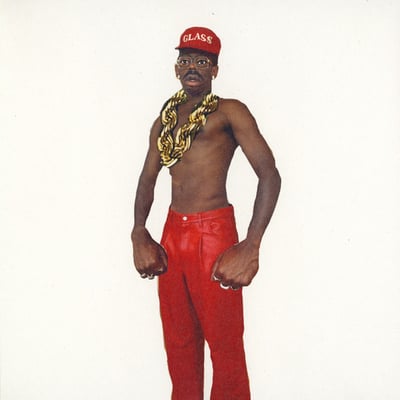
Tyler, The Creator DON'T TAP THE GLASS
Released Jul 21, 2025 Columbia
Established consensus 9 professional reviews Updated Nov 23, 2025
Mostly positive consensus
Tyler, The Creator's DON'T TAP THE GLASS arrives as a compact, dancefloor-first statement that trades extended introspection for immediate, neon-lit momentum.
How ChoruScore worksCritics' Top Tracks
The songs critics returned to most
Big Poe (feat. Sk8brd)
9 critic mentions
“Opener ‘Big Poe’ sets the tone, embracing the raucous bounce of early-2000s N.E.R.D à la ‘In Search Of…’.” — New Musical Express (NME)
Sucka Free
7 critic mentions
“If “Big Poe” and “Stop Playing With Me” are kinetic and confrontational, tracks like “Sucka Free” are breezily funky.” — Variety
I'll Take Care of You (feat. Yebba)
7 critic mentions
“Another feat of inventive eccentricity, “I’ll Take Care of You,” alchemizes “Cherry Bomb” drums and a “Knuck If U Buck” refrain” — Variety
Full critic consensus
Tyler, The Creator's DON'T TAP THE GLASS arrives as a compact, dancefloor-first statement that trades extended introspection for immediate, neon-lit momentum. Across professional reviews, critics point to the record's short, compressed song structures and retro-electro flourishes as both its charisma and its constraint, with the consensus favoring kinetic highlights over filler.
Reviewers consistently name “Big Poe (feat. Sk8brd)”, “Ring Ring Ring” and “Sucka Free” among the best songs on DON'T TAP THE GLASS, while “Don’t Tap That Glass / Tweakin’” and “I’ll Take Care of You (feat. Yebba)” earn praise for moments of real emotional payoff. The album earned a 74.33/100 consensus score across 9 professional reviews, a figure that captures the record's generally favorable reception even as several critics flagged production-over-substance tendencies. Critics note Tyler's gleaming dance/disco production, 1980s electro and Miami-bass nods, and muscular showmanship - qualities that turn hooks into immediate club-ready statements but sometimes leave longer emotional arcs wanting.
Nuance matters: some reviews celebrate the album as playful reinvention and a must-listen for its swagger and genre fusion, while others call certain tracks prefabricated or inert despite polished aesthetics. The critical consensus suggests DON'T TAP THE GLASS works best when Tyler balances bravado with vulnerability - the moments where party energy and personal feeling intersect emerge as the record's most vital offerings. For readers searching a clear verdict in a DON'T TAP THE GLASS review, the collection proves worth hearing for its standout tracks and dancefloor focus, even if it occasionally prioritizes style over depth.
Track Ratings
How critics rated each track, relative to this album (0-100). Only tracks that made critics feel something are rated.
Big Poe (feat. Sk8brd)
Sugar On My Tongue
Sucka Free
Mommanem
Stop Playing With Me
Ring Ring Ring
Don't Tap That Glass / Tweakin'
Don't You Worry Baby (feat. Madison McFerrin)
I'll Take Care of You (feat. Yebba)
Tell Me What It Is
Get the next albums worth your time.
Critic-backed picks in one clean digest. No clutter.
What Critics Are Saying
Deep insights from 10 critics who reviewed this album

Critic's Take
Ultimately, the album is commended as a meticulous, deliberately low-stakes summer record you can, and should, dance to.
Key Points
-
The album’s core strength is its focused, dance-first experimentation that fuses ’80s influences with house, techno and funk into a concise 29-minute micro-rave.
Themes
mu

Critic's Take
Though the closer “Tell Me What It Is” feels slightly undercooked, the album’s joyous crate-digger instincts and disco-flavoured raps make the best tracks stand out as wins for Tyler’s playful, nostalgic reinvention.
Key Points
-
‘Ring Ring Ring’ is the best song because of its thick funk bass, irreverent lyrics, and status as a show-stealer.
-
The album’s core strengths are nostalgic, danceable production and affectionate reinventions of 1980s/90s hip-hop and R&B styles.
Themes

Critic's Take
Tyler, The Creator's DON'T TAP THE GLASS is a compact, dancefloor-skewed set where the best songs - notably “Ring Ring Ring” and “Big Poe (feat. Sk8brd)” - show Tyler's gift for deploying vintage reference points as hooks. Petridis writes with relish about the album's crafting, praising how those tracks turn old-school electronics and boogie into immediate, booming club-ready statements. He also notes that songs such as “Tell Me What It Is” and “Mommanem” supply shards of the reflective, Chromakopia-era vulnerability, which keeps the record from being merely stylish pastiche. The result, in the reviewer's voice, is an album that succeeds because its hooks work with enviable efficiency and its nostalgia feels like love rather than box-ticking.
Key Points
-
The best song is a win because it fuses authentic vintage boogie/electro reference points with immediate, club-ready hooks.
-
The album's core strengths are focused, lovingly deployed production references and efficient, memorable hooks balanced by brief moments of vulnerability.
Themes

Critic's Take
Tyler, The Creator continues to oscillate between swagger and sentiment on DON'T TAP THE GLASS, and the best songs on the album prove that alternation is its strength. Elsewhere, lighter cuts like “Ring Ring Ring” and the closer “Tell Me What It Is” show his sly pop-R&B instincts and surprising melodic turns. The best tracks on DON'T TAP THE GLASS are therefore those that let Tyler be both macho and vulnerable, often within the same breath.
Key Points
-
The best song(s) put Tyler's verbal dexterity and alternating swagger/vulnerability front and center.
-
The album's core strengths are its tonal range and compact, expressive sequencing that showcases multiple facets of Tyler's persona.
Themes

Critic's Take
Tyler, the Creator keeps it tight and kinetic on DON'T TAP THE GLASS, and the best tracks - notably “Big Poe (feat. Sk8brd)” and “Sugar On My Tongue” - show why Tyler’s shorthand for dance music works. The record is brisk, pressure-cooked and playful, and songs like “Ring Ring Ring” and “Sucka Free” parade his affection for retro synth-funk and Miami bass while staying smack in the pocket. These standout moments prove Tyler can distill swagger and horny goofiness into compact, club-ready hooks without losing his chameleonic flair. The short runtime lets the highlights land hard, which is why queries about the best songs on DON'T TAP THE GLASS keep circling back to those earworms.
Key Points
-
The album’s core strengths are concise, pressure-cooked production and a playful celebration of retro dance styles that prioritize movement and mood.
Themes


Critic's Take
The title track and closer trade chest-thumping bravado for anxious, tremulous singing, so the album’s strengths are its fizzing production and Tyler’s uncanny mix of swagger and vulnerability. Even if it rarely surprises, DON'T TAP THE GLASS is entertaining and full of the moments that make fans call out the best tracks on the record.
Key Points
-
The album’s core strengths are fizzing, shapeshifting production and Tyler’s blend of swagger and trembling vulnerability.
Themes

Critic's Take
Tyler, The Creator arrives unadorned on DON'T TAP THE GLASS, reveling in movement and pleasure rather than conceptual weight. There is also affection for the breathy, Marvin Gaye-inflected “Sucka Free”, which showcases Tyler’s sensual, space-odyssey tendencies. Overall the record is framed as a scrappy, retro-futurist collection that resets Tyler’s palette toward pure, kinetic fun.
Key Points
-
The best song is 'Ring Ring Ring' for its decadently smooth, hooky avant-funk that stands out as the record's highlight.
-
The album’s core strength is its stripped-back, dancefloor-focused energy that prioritizes movement, playfulness, and retro-futurist production over heavy concept.
Themes

Critic's Take
Paul Attard argues that while the production gleams, much of the album collapses under curated eclecticism and prefab aesthetics, leaving most tracks inert rather than kinetic. The review highlights the title suite and the Yebba duet as the album’s real successes, even as the rest plays like precision-engineered lifestyle music, not dance music. This is an album of smart gestures that largely fail to translate into genuine movement or emotional payoff.
Key Points
-
The album’s core strength is gleaming production and adept pastiche, but it lacks pulse and emotional commitment.