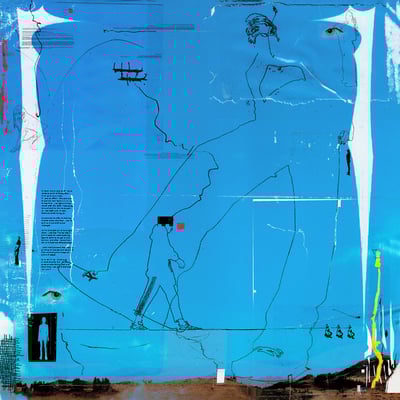
Ulrika Spacek EXPO
Released Feb 6, 2026 Full Time Hobby
Consensus forming 4 professional reviews Updated Mar 23, 2026
Mostly positive consensus
Consensus is still forming across 4 professional reviews. Ulrika Spacek's EXPO arrives as a tightly observed study in tension, trading straightforward hooks for layered textures and a persistent push-pull between analogue warmth and electronic alienation.
How ChoruScore worksCritics' Top Tracks
The songs critics returned to most
Picto
2 critic mentions
“On the melodic, cold-sweat fever of Picto , Rhys states Expo 's manifesto” — Tinnitist
I Could Just Do It
2 critic mentions
“that is quite evident on tracks like “I Could Just Do It” where the complexity abounds but without a jarring effect” — Beats Per Minute
Weights & Measures
2 critic mentions
“Weights & Measures’ is straight out of a movie soundtrack, building up to a theatrical crescendo that crashes down” — DIY Magazine
Full critic consensus
Ulrika Spacek's EXPO arrives as a tightly observed study in tension, trading straightforward hooks for layered textures and a persistent push-pull between analogue warmth and electronic alienation. Across four professional reviews the record earned a 68.5/100 consensus score, and critics point to a handful of tracks as the clearest entry points into its fractured contemporary reality. For quick reference, “Picto”, “I Could Just Do It” and “Weights & Measures” emerge repeatedly as standout tracks on EXPO.
Track Ratings
How critics rated each track, relative to this album (0-100). Only tracks that made critics feel something are rated.
Intro
Picto
I Could Just Do It
Build a Box Then Break It
This Time I'm Present
Showroom Poetry
Expo
Square Root of None
Weights & Measures
A Modern Low
Incomplete Symphony
Get the next albums worth your time.
Critic-backed picks in one clean digest. No clutter.
What Critics Are Saying
Deep insights from 4 critics who reviewed this album

Critic's Take
Ulrika Spacek keep honing a deliberate balance on EXPO, where the best tracks show ambition without excess. The review highlights “I Could Just Do It” as an instance where complexity abounds without jarring effect, and “Build a Box Then Break It” as proof that electronic and traditional rock elements can co-exist. The tone is measured and appreciative, pitching the album as deserving attention from both established and new fans.
Key Points
-
“I Could Just Do It” bests others by marrying complexity with a non-jarring flow.
-
EXPO's core strength is its balanced melding of electronic and traditional rock elements without overreaching ambition.
Themes

Critic's Take
Ulrika Spacek's EXPO finds itself most vivid in tracks like “I Could Just Do It” and “Expo”, songs that pair lyrical outward-looking hooks with the band's layered analog-digital textures. Marcy Donelson's review highlights how the brief “Intro” resets ears and how the groove-led “Build a Box Then Break It” evolves from a drumbeat into something more expansive. The record rewards attentive listening, with measured melodic focus amid messy, intricate atmospheres, making these best tracks on EXPO the clearest entry points to its fractured contemporary reality.
Key Points
-
The best song is "I Could Just Do It" because it crystalizes the outward-looking lyrical shift and memorable lines cited by the reviewer.
-
The album's core strengths are layered analog-digital textures, rhythmic invention, and rewarding attentive listening.
Themes

Critic's Take
Ulrika Spacek's EXPO feels claustrophobic and fully immersive, and the review repeatedly flags a handful of best tracks that make that tension sing. The slightly frenetic “Picto” is positioned as a mission statement, setting the dense, inward-looking vibe, while the cinematic “Weights & Measures” builds to a theatrical crescendo that truly lands. The band also find resonance in shared-room writing on “Square Root of None”, and though longer pieces like “Build a Box Then Break It” and “Expo” drag slightly, they still reinforce the album's contrast between warmth and alienation. For listeners searching for the best tracks on EXPO, start with “Picto” and “Weights & Measures” for the clearest statement of the record's strengths.
Key Points
-
The best song is “Picto” for crystallising the album's dense, inward-looking mission statement while “Weights & Measures” supplies cinematic payoff.
-
The album's core strength is its layered textures and contrast between analogue warmth and digital alienation, creating an immersive but uneasy atmosphere.
Themes

Critic's Take
In his measured, slightly clinical tone Darryl Sterdan singles out the cold-sweat fever of “Picto” as the fulcrum of EXPO, presenting Ulrika Spacek as a band that collages analogue warmth with electronic alienation. He frames the album as a communal experiment, fascinated by the glitch between human and digital textures, and praises how songs like “Picto” and the title track crystallize that dialectic. The review reads like liner notes and cultural context, privileging atmosphere and method over conventional hooks, making clear what the best tracks on EXPO reveal about the band’s intent.
Key Points
-
EXPO's core strength is its deliberate collage approach, blending community-rooted production with themes of isolation and digital alienation.