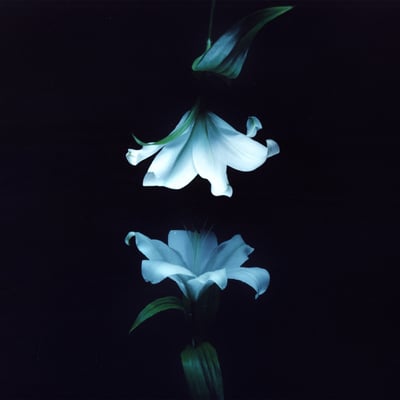
Wasia Project Nocturne
Released Sep 18, 2026 LAOLAO Records
Consensus forming 3 professional reviews Updated Sep 30, 2026
Broadly positive consensus
Consensus is still forming across 3 professional reviews. Wasia Project's Nocturne unfolds like a nocturnal film: kinetic openings give way to consoling nightfall, and critics agree the record balances dancefloor propulsion with intimate reflection.
How ChoruScore worksCritics' Top Tracks
The songs critics returned to most
2515
3 critic mentions
“The album's opening track, ‘2515’, was the first single released ahead of the full project, fittingly, as it sonically encapsulates the album as a whole.” — Clash Music
Vogue
3 critic mentions
“Vogue’ delivers the same endearing combination of electronic beats complementing backing strings and piano as ‘2515’, courtesy of Hardy and Gao’s musical skillset.” — Clash Music
Moon Goddess
3 critic mentions
“Moon Goddess’ strikes this balance perfectly, with a slow, considered piano melody overlaying droning strings and angelic vocals.” — Clash Music
Full critic consensus
Wasia Project's Nocturne unfolds like a nocturnal film: kinetic openings give way to consoling nightfall, and critics agree the record balances dancefloor propulsion with intimate reflection. Across three professional reviews, the album earned an 80/100 consensus score, a mark critics cite as evidence of its confident debut and careful sequencing.
Reviewers consistently single out “2515”, “Vogue” and “Moon Goddess” as the best songs on Nocturne. “2515” functions as a microcosm of the collection, its piano motifs and crescendoing strings marrying 80s pulse with modern production. “Vogue” is praised for fusing Olivia Hardy's luminous vocals with spacious electronics and classical flourishes, while “Moon Goddess” offers a heavy-yet-weightless close with slow piano and angelic harmonies. DIY Magazine, Clash Music and Dork all note how the album's cinematic production - piano, strings and measured beat loops - creates a twilight atmosphere where movement and rest coexist.
Critical consensus highlights recurring themes: a blend of ambient and dancefloor elements, cinematic grandeur, and an emotional arc from adolescence and loss to uncertain comfort. Some reviews emphasize the record's meticulous curation and occasional Bond-like drama in tracks such as “Strike Me Down From Heaven”; others underline quieter moments like “Voices In My Head” and “Nightingale” that carry the album's longing. Taken together, professional reviews suggest Nocturne is worth listening to - a polished, thematically coherent debut that stakes Wasia Project's claim as a producer of nocturnal, emotionally resonant dance-electronics.
Explore the full set of reviews below to see why critics name these standout tracks and how the record's twilight contrasts shape its critical reception.
Track Ratings
How critics rated each track, relative to this album (0-100). Only tracks that made critics feel something are rated.
2515
Vogue
Whale Call
Bleeding Gold
Voices In My Head
Even If I Tried
Sunken Quay
Strike Me Down From Heaven
Moon Goddess
Stay
Nightingale
Wildfire
Get the next albums worth your time.
Critic-backed picks in one clean digest. No clutter.
What Critics Are Saying
Deep insights from 3 critics who reviewed this album

Critic's Take
Wasia Project’s Nocturne reads like a careful study in balance, and the review’s voice repeatedly returns to that equilibrium when naming the best tracks. The opener “2515” is celebrated as a microcosm of the record, its piano and crescendoing strings setting the tone for the best songs on Nocturne. At the other end, “Moon Goddess” is praised for striking that heavy-yet-weightless balance with slow piano and angelic vocals, making it one of the album’s standout tracks. Elsewhere, “Vogue” and “Strike Me Down From Heaven” are noted for their spacious electronic beats and cinematic, Bond-like drama, respectively, rounding out the album’s highlights.
Key Points
-
“2515” is the album’s best song because it encapsulates the record’s sonic identity with entrancing vocals and crescendoing strings.
-
The album’s core strength is its cinematic interplay of piano, strings and electronic beats that balances weight and weightlessness.
Themes

Critic's Take
Wasia Project's Nocturne maps the best songs as a night that starts kinetic and ends consoling, with opener “2515” and the luminous “Vogue” staking the album's high points. The reviewer's ear latches onto “2515” for its 80s dance pulse and to “Vogue” where Olivia Hardy's vocals meet electronics and classical flourishes. Later highlights like “Even If I Tried” and “Moon Goddess” anchor the album's reflective second half, turning momentum into intimacy. The narrative arc—excitement, movement, doubt, reflection, rest—makes clear why these tracks stand out as the best songs on Nocturne.
Key Points
-
Opener “2515” is best for setting the album's driving 80s dance pulse.
-
The album's core strength is its clear narrative arc from kinetic nightlife to comforting reflection.
Themes

Critic's Take
Wasia Project conjure a nocturnal world on Nocturne, where production details make the best tracks resonate. The review lifts out “2515” and “Vogue” as moments of heady dancefloor euphoria, while quieter pieces like “Voices In My Head” and “Nightingale” carry the album's longing. The record feels meticulously curated, each standout - from beat loops to yearning strings - proving why listeners ask which are the best tracks on Nocturne and which songs are the best on Nocturne for its mood and craft. This is a debut that glimmers with life and rarely lets the night go silent.
Key Points
-
The best song moments like “2515” pair meticulous production with dancefloor euphoria, making them standouts.
-
The album's core strengths are its nocturnal atmosphere, detailed production, and emotional throughline of adolescence and loss.