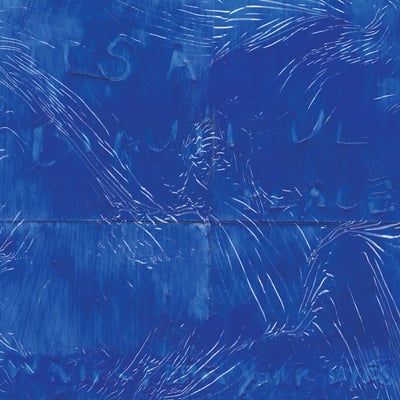
Water from Your Eyes It's A Beautiful Place
Released Aug 22, 2025 Matador
Established consensus 10 professional reviews Updated Nov 25, 2025
Broadly positive consensus
Water from Your Eyes's It's A Beautiful Place arrives as a compact, audacious statement that pairs grime and glitter into concise, propulsive songs.
How ChoruScore worksCritics' Top Tracks
The songs critics returned to most
Playing Classics
10 critic mentions
“Playing Classics” is likely the closest we will get to a banger with Water From Your Eyes.” — PopMatters
Life Signs
9 critic mentions
“as seen on “Life Signs”, which veers toward hard rock before shifting into dream pop for the refrain” — PopMatters
Born 2
9 critic mentions
“Born 2” is the song that Le Guin influences most explicitly.” — PopMatters
Full critic consensus
Water from Your Eyes's It's A Beautiful Place arrives as a compact, audacious statement that pairs grime and glitter into concise, propulsive songs. Critics largely point to “Playing Classics” and “Life Signs” as the record's clearest moments - the former repeatedly hailed as a dance-punk, piano-driven triumph and the latter praised for its jagged, life-affirming surge - while shorter instrumentals and sci-fi-tinged bookends frame the album's strange, bittersweet logic.
The critical consensus, reflected in a 78/100 score across 10 professional reviews, emphasizes the band's knack for genre-collage and sonic experimentation: motorik grooves, hyperpop edits, shoegaze drone and noise-rock fuse with pop hooks and wry humor. Reviewers consistently note brevity and hit-and-run song structures as both a strength and a limitation - concise tracks sharpen impact but occasional padding or meandering instrumentals prompt mixed reactions. Standout tracks beyond the two lead singles include “Nights in Armor” and “Born 2”, cited for guitar pyrotechnics and emotional turns, while ambient pieces like “One Small Step” and “For Mankind” provide psychedelic framing.
Some critics celebrate the record as a confident leap from the duo's DIY roots toward full-band maximalism and live-ready energy, while others wish for tighter sequencing or fewer transitional vignettes. Across professional reviews, the consensus suggests It's A Beautiful Place is worth attention for those searching for the best songs on the record and for listeners curious whether the album balances experimental impulses with pop payoff. Below, individual reviews unpack how humor, existential imagery and disciplined chaos shape Water from Your Eyes's most arresting moments.
Track Ratings
How critics rated each track, relative to this album (0-100). Only tracks that made critics feel something are rated.
One Small Step
Life Signs
Nights in Armor
Born 2
You Don't Believe in God?
Spaceship
Playing Classics
It's a Beautiful Place
Blood on the Dollar
For Mankind
Get the next albums worth your time.
Critic-backed picks in one clean digest. No clutter.
What Critics Are Saying
Deep insights from 11 critics who reviewed this album

Critic's Take
Water From Your Eyes’s It’s A Beautiful Place finds beauty in the mess, and the best songs — “Life Signs” and “Playing Classics” — make that tension sing. The reviewer’s voice stays sharp and cynical while admiring melodic hooks, noting how “Life Signs” channels brash punk energy and “Playing Classics” turns minimalism into a modern dance hit. The title piece and closing “For Mankind” are framed as bookends, instrumental gestures that deepen the album’s strange, bittersweet resonance. Ultimately, the record balances grime and glitter, giving listeners clear entries for queries about the best tracks on It’s A Beautiful Place without losing its weary heart.
Key Points
-
“Life Signs” is the best song because its brash, punk energy and memorable lines encapsulate the album’s emotional core.
-
The album’s core strength is balancing grime and glitter, fusing noise-rock and electronica to make disenchantment feel grand and oddly beautiful.
Themes

Critic's Take
Water from Your Eyes’s It’s a Beautiful Place is alternately super chill and destabilizing, and the best songs - especially “Life Signs” and “Playing Classics” - show why. The record traffics in strange time signatures and stylistic pileups, and “Life Signs” bursts out as the duo’s most intense song to date, jagged and life-affirming. Elsewhere, “Playing Classics” is a madcap dance-punk romp that feels built for live carnivals, even if the reviewer prefers the A-side. The album’s balance of humor, virtuosity, and surprisingly serene vocals makes these tracks the clearest touchstones for the record.
Key Points
-
“Life Signs” is the album’s best track because it is the duo’s most intense, jagged, and ultimately life-affirming song.
-
The album’s core strengths are its witty use of humor, adventurous guitar work across genres, and complex rhythmic and melodic invention.
Themes

Critic's Take
Reading Alison Ross here, Water from Your Eyes make clear that the best songs on It's A Beautiful Place - notably “Life Signs” and “Playing Classics” - distill their uncanny mix of hard rock grit and dream-pop reach. Ross’s prose insists these tracks carry the album’s contagious vigor and studied intensity, with “Life Signs” moving from foreboding to hopeful and “Playing Classics” acting as a cerebral banger. The title track and instrumental interludes are also singled out as psychedelic bookends that frame the record as cohesive controlled chaos. This is a record that keeps you attentive, folding Le Guin-ish ideas into songs that feel both intimate and cosmic.
Key Points
-
“Life Signs” is best for its dramatic shift from hard rock to dream pop and soaring vocal phrasing.
-
The album’s core strengths are its genre-defying experimentation and cohesive framing through instrumental interludes.
Themes


Critic's Take
Water From Your Eyes deliver on It's A Beautiful Place with a handful of undeniable high points, particularly “Life Signs” and “Playing Classics”. The reviewer's calm, observant tone praises how “Life Signs” captures the band’s shift into a four-piece, its dry urgency and overflowing energy that defines the album. Likewise, “Playing Classics” is described as possibly the strongest track, its four-on-the-floor drive and country-rock melody dissolving tension into something danceable and poignant. The record’s instrumental interludes and sci-fi motifs knit the songs together, making these best tracks stand out within a stylish, composed exploration of form.
Key Points
-
‘Playing Classics’ is the best song for its drive, melody and emotional dissolution of tension into danceable poignancy.
-
The album’s core strengths are its stylish genre-collage, sci-fi lyrical landscape, instrumental interludes that provide breathing room, and confident production.
Themes

Critic's Take
Water from Your Eyes continue to push forward on It's a Beautiful Place, where the best tracks - “Life Signs” and “Nights in Armor” - showcase Nate Amos's raging, Smashing Pumpkins-sized guitar eruptions shrunk into compact mixes. The record sparkles most when the duo lean into hyperactive, hyperpop-informed edits and shoegaze drone, but it is on “Playing Classics” that Rachel Brown's monotone, stream-consciousness vocals truly anchor the album. The hit-and-run brevity of many songs sometimes leaves you wanting more, yet that restless pacing is part of the album's sly charm and modern logic.
Key Points
-
The best song is "Playing Classics" because Brown's monotone, stream-consciousness vocals provide the album's clearest emotional anchor.
-
The album's core strengths are tight, adventurous production blending hyperpop edits with shoegaze guitar and concise, restless songwriting.
Themes

Critic's Take
Water From Your Eyes lean into cautious but optimistic existentialism on It's A Beautiful Place, and the review makes clear which tracks cut deepest. The reviewer elevates “Playing Classics” as the album peak, calling it an alternative dancefloor anthem driven by a pulsating techno beat and piano jangle. They single out “Life Signs” and “Born 2” for lyrical contradiction and emotional turnarounds, and praise the textured ambient bookends “One Small Step” and “For Mankind” for their disorientating electronic swirls. Overall the best songs on It's A Beautiful Place are presented as those that balance Brown’s laconic vocals with Nate Amos’s surreal, otherworldly production.
Key Points
-
The reviewer crowns "Playing Classics" the album peak for its dancefloor-ready pulse and piano hooks.
-
The album’s core strengths are lyrical existentialism, bold sonic experimentation, and fuller live-oriented instrumentation.
Themes

Critic's Take
The band’s newfound maximalism makes It's A Beautiful Place feel like a deliberate leap forward; Water from Your Eyes pair crushing noise with genuine hope, and the best songs prove it. Tracks such as “Playing Classics” and “Nights in Armor” show how confident pyrotechnics and elastic basslines can convert frantic ideas into irresistible pop. The reviewer's ear latches on to “Playing Classics” as the highlight, calling it perhaps the best song they have ever written, while “Blood On The Dollar” supplies hazed-out alt-country tenderness.
Key Points
-
The best song is "Playing Classics" because it fuses rapid drums, upbeat bass and glimmering guitar into irresistible dance-pop.
-
The album’s core strengths are its maximalist noise balanced with melodic pop and a persistent undercurrent of sci-fi optimism.
Themes

Critic's Take
Water From Your Eyes sound more settled and assured on It's A Beautiful Place, a compact record where choruses hum and drumlines bounce. The reviewer leans into nostalgia and adulthood, pointing to “Playing Classics” and “Nights in Armor” as immediate listenable highlights while noting the band has stripped down their sound. Even as the album barely reaches 30 minutes, there is a sense of renewed focus that makes “Born 2” and “Playing Classics” stand out as the best tracks. Overall, this is a concise, mature outing that rewards repeated plays for its quality and subversive touches.
Key Points
-
Playing Classics is the best song because it is singled out as a personal soundtrack-worthy highlight and recommended listening.
-
The album's core strengths are concise songwriting, a stripped-down mature sound, and consistently high-quality material despite brief runtime.
Themes

Critic's Take
Water From Your Eyes's It's A Beautiful Place makes a persuasive case for its best songs being the kaleidoscopic “One Small Step” and the triumphant “Playing Classics”. The reviewer's ear lingers on how “One Small Step” opens a portal into strange, synthetic ambience while “Playing Classics” is hailed as an absolute triumph, a fantastic pop song with a memorable piano melody. Mention of “Life Signs” and “Spaceship” underscores how the band expands sonically - denser arrangements, full-band dynamics and alien textures - all reasons listeners ask which are the best tracks on It's A Beautiful Place.
Key Points
-
“Playing Classics” is the standout for its triumphant melody, popcraft and inventive melding of rock and electronics.
-
The album’s core strengths are genre-melding experimentation, sci-fi themes and denser, more ambitious arrangements.
Themes

Critic's Take
Water from Your Eyes sound like a band hedging their bets on It's A Beautiful Place, leaning into dance rhythms but often dissolving into padding. The reviewer singles out “Life Signs” and “Playing Classics” as the record's best tracks, praising their motorik grooves and off-kilter keyboards while noting that “Spaceship” delivers interesting reversed-texture moments. Yet the short instrumental vignettes and the lack of pop hooks leave the album feeling overstretched rather than cohesive. The narrative asks why these good songs - especially “Life Signs” - were not part of a tighter EP or single-focused release.
Key Points
-
The best song, "Life Signs", is best for its motorik groove, roaring guitar and a satisfying crescendo.
-
The album's core strengths are occasional dance rhythms and intriguing production moments, but these are undermined by padding and lack of focus.