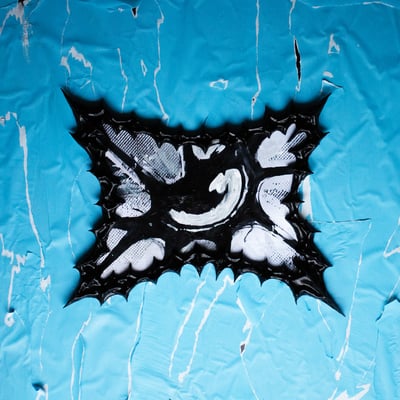
White Reaper Only Slightly Empty
Released Sep 26, 2025 Blue Grape Music Inc.
Consensus forming 3 professional reviews Updated Aug 25, 2026
Broadly positive consensus
Consensus is still forming across 3 professional reviews. White Reaper's Only Slightly Empty arrives as a renewed, vocals-forward statement that pairs brawny guitar work with irresistible pop hooks.
How ChoruScore worksCritics' Top Tracks
The songs critics returned to most
Blue 42
1 critic mention
“Tony Esposito 's plaintive vocals meshing perfectly with the grind and release” — AllMusic
Coma
2 critic mentions
“the trio of "Coma," a metallic blast of riffage” — AllMusic
Freakshow
2 critic mentions
“Maybe we're a freakshow, and that much is never gonna change,” — No Ripcord
Full critic consensus
White Reaper's Only Slightly Empty arrives as a renewed, vocals-forward statement that pairs brawny guitar work with irresistible pop hooks. Across three professional reviews, critics point to a band sharpening its identity - punchy, muscular arrangements sit beside moments of vulnerability and 90s-tinged grunge, producing a record that feels both reinvention and continuation.
The critical consensus awards Only Slightly Empty a 75/100 score across 3 professional reviews, with reviewers consistently praising tracks that balance hooks and heft. Critics name “Coma”, “Honestly” and “Blue 42” among the standout songs, while “Freakshow” and “Blink” are highlighted for their sticky melodies and renewed aggression. Reviewers note vocals-centric arrangements and a genre blend - power pop, hard rock and garage-punk with 90s grunge influences - as the record's defining characteristics, and often cite Tony Esposito's ragged delivery as the emotional anchor.
While some critics frame the album as a reinvention that occasionally feels like a grower rather than an immediate classic, the overall tone is positive: the collection marries Cheap Trick/Weezer-friendly choruses with heavier riffage, and its best songs emerge where hooks and muscle meet. For readers asking if Only Slightly Empty is worth listening to, the critic consensus suggests a rewarding, slightly rough-hewn next step for the band and several must-listen tracks worth returning to.
Track Ratings
How critics rated each track, relative to this album (0-100). Only tracks that made critics feel something are rated.
Coma
Blink
Honestly
Freakshow
Eraser
Blue 42
Enemy John
Rubber Cement
Touch
Get the next albums worth your time.
Critic-backed picks in one clean digest. No clutter.
What Critics Are Saying
Deep insights from 3 critics who reviewed this album

Critic's Take
Only Slightly Empty is quintessential White Reaper: sunlit hooks and punchy guitar that still know how to get heavy when needed. The best songs on Only Slightly Empty — notably “Coma,” “Honestly,” and the deeper “Blue 42” — show how the band can marry big choruses to real emotional heft. The opening trio announces their intent with metallic riffage, emo-punk drive and one of their poppiest melodies yet, while the back half proves they can turn the dial to melancholy without losing their knack for melody. It’s a record that balances Cheap Trick/Weezer-friendly hooks with surprising depth.
Key Points
-
“Blue 42” is the best song because it combines plaintive vocals with overdriven dynamics and is called one of the album's strongest songs.
-
The album’s core strength is marrying infectious hooks and power-pop guitar with surprising emotional depth and stylistic variety.
Themes

Critic's Take
White Reaper lean into a tougher, more muscular sound on Only Slightly Empty, and the best tracks underline that shift. The revved-up “Blink” proves they can still write a sticky melody, while “Freakshow” — an album highlight — taps Tony Esposito’s raw vulnerability. Standouts like “Eraser” and “Pocket” showcase charging power chords and biting jangle pop, making them the best songs on Only Slightly Empty by virtue of drive and hooks.
Key Points
-
Freakshow is the best song for its emotional directness and status as an album highlight.
-
The album’s core strength is a leaner, muscular guitar-driven sound anchored by Tony Esposito’s yearning vocals.
Themes

Critic's Take
Jazz Hodge hears Only Slightly Empty as a reinvention rather than a defeat, praising tracks like "Coma" and the electronic flirtations on "Honestly" as the album’s clearest sparks. The review’s voice—wry, affectionate and candid—frames the record as a grower: frenetic openers, breathing-room passages and Tony Esposito’s ragged vocals glue much of it together.
Key Points
-
"Coma" is the standout as a frenetic, bulldozing opener that sets the album’s tone.
-
The album’s core strength is reinvention: breathing-room arrangements and Tony Esposito’s ragged vocals give it identity despite lineup loss.